California's Heavy Music Legends Embrace Unexpected Collaborations as Cross-Genre Partnerships Redefine Metal's Creative Boundaries
When Worlds Collide: The New Age of Unlikely Metal Partnerships
The metal world has always thrived on rebellion and boundary-pushing, but 2024 has ushered in an era of collaborations so unexpected that they're reshaping how we define heavy music itself. From Hollywood icons recruiting metal legends to Sacramento hardcore bands working with electronic producers, California's diverse music ecosystem has become ground zero for genre-defying partnerships that would have seemed impossible just a decade ago.
The most eyebrow-raising development comes from an unlikely source: William Shatner, the 95-year-old cultural icon who continues to prove that creativity knows no age limits. His recruitment of Rob Halford for a reimagined take on Judas Priest's classic "You've Got Another Thing Comin'" represents more than just a celebrity novelty—it's emblematic of how California's entertainment industry crossover culture is infiltrating metal in unprecedented ways.
This trend isn't isolated to high-profile Hollywood connections. Across California's underground scenes, traditional metal acts are increasingly seeking collaborators from outside their comfort zones, creating a ripple effect that's reshaping the sound of West Coast heavy music.
The Sacramento-Bay Area Connection: Where Hardcore Meets Innovation
Northern California has long been a breeding ground for musical experimentation, and today's collaboration boom is no exception. Local acts like 3D House of Beef and A Day of Violence are finding creative partners in unexpected places—from electronic music producers to classical musicians—creating hybrid sounds that defy easy categorization.
The influence of California's tech industry cannot be understated in this evolution. With Silicon Valley's innovation mindset permeating the broader cultural landscape, metal musicians are approaching collaboration with a startup mentality: iterate quickly, fail fast, and don't be afraid to pivot dramatically.
16, the sludge metal outfit that has become synonymous with crushing heaviness, recently surprised fans by incorporating ambient electronic elements into their live performances, working with Bay Area sound designers to create immersive experiences that blur the line between concert and art installation. It's this willingness to experiment that sets California metal apart from more traditionalist scenes.
The Deftones Effect: How Sacramento's Pioneers Opened the Floodgates
When examining California's current collaboration renaissance, it's impossible to ignore the Deftones' enduring influence. As Metal Hammer's recent "best of the decade" rankings remind us, the Sacramento quintet has consistently appeared on critical best-of lists precisely because they've never been afraid to incorporate unexpected elements into their sound.
Recent revelations from founding member Dominic Garcia about the band's early experimental days highlight just how integral this collaborative spirit was to their DNA. "We were always bringing in different influences," Garcia reflected in recent interviews, describing jam sessions that incorporated everything from hip-hop beats to shoegaze textures.
This blueprint has become the template for a new generation of California metal acts. Bands like A Cursed Spirit in the Mirror and A Grim Saga are actively seeking out partnerships with artists from completely different musical worlds, creating sounds that wouldn't have been possible—or commercially viable—in previous eras.
Industry Veterans Navigate the New Collaborative Landscape
The perspective from metal's veteran generation reveals both excitement and trepidation about these new creative partnerships. Bassist Billy Sheehan's recent comments about embracing industry changes reflect a broader acceptance among established players that the old ways of making music are rapidly becoming obsolete.
However, some veterans express concern about losing metal's essential character. Rob "Blasko" Nicholson, who has worked with both Ozzy Osbourne and Rob Zombie, recently questioned whether he would start a band in today's collaborative climate, highlighting the tension between innovation and tradition that defines much of California's current heavy music scene.
This generational divide is particularly pronounced in Los Angeles, where established metal institutions exist alongside a thriving experimental underground. Veteran acts are finding themselves forced to choose between maintaining their traditional approach or embracing the collaborative spirit that younger bands take for granted.
The Orange County Hardcore Renaissance
Southern California's hardcore scene has experienced its own collaborative awakening, with bands increasingly looking beyond their immediate peer group for creative inspiration. The upcoming "Emo's Not Dead Cruise" featuring acts like Dance Gavin Dance points to a broader trend of genre-blending that has become central to the Orange County sound.
Local acts such as 24Gore and 3 Headed Snake are collaborating with artists from entirely different musical backgrounds, creating hybrid sounds that incorporate elements of electronic music, jazz, and even classical composition. This isn't simply genre-hopping for its own sake—it represents a fundamental shift in how heavy music is conceived and created.
The influence of California's diverse cultural landscape cannot be overstated. In a state where film, technology, and music industries intersect daily, collaborations that might seem bizarre elsewhere feel natural and inevitable.
Technology as Collaborative Catalyst
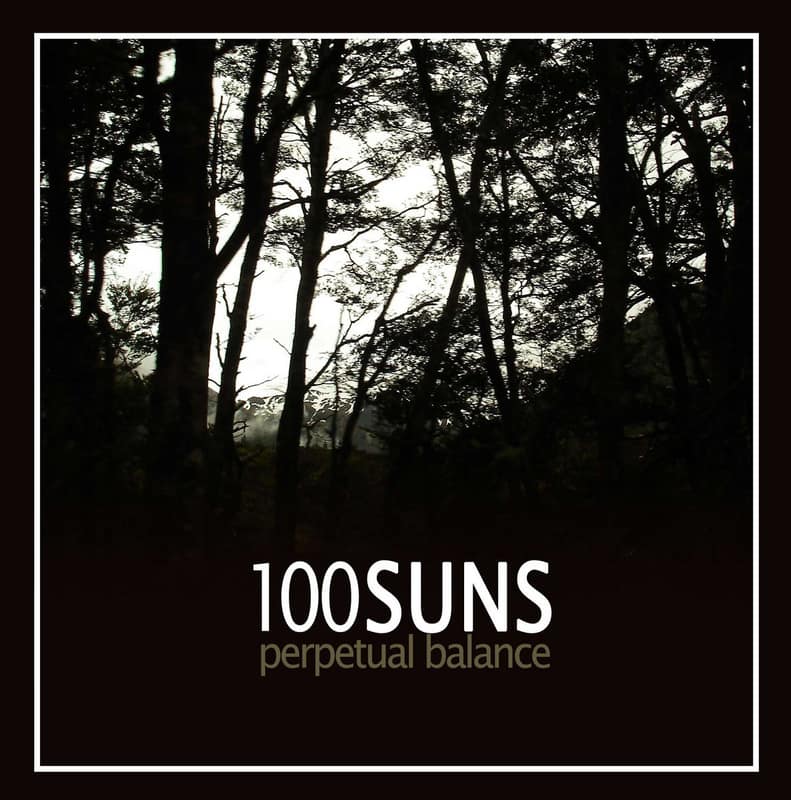
California's position at the forefront of technological innovation has made remote collaboration easier than ever, enabling partnerships that would have been logistically impossible in previous eras. Bands like 100 Suns are working with musicians across the globe, creating songs that incorporate influences from multiple continents without anyone leaving their home studio.
This technological democratization has also enabled smaller acts to collaborate with major players. When Kerry King announces plans for his second solo album, he's working in an environment where any ambitious local act could theoretically reach out and propose a collaboration through social media or streaming platforms.
The result is a flattening of traditional music industry hierarchies, where collaboration potential is limited more by creative vision than by industry connections or geographic proximity.
Looking Forward: The Future of California Metal Collaboration
As bands like Left To Suffer enter studios to record new material, they're working in an environment where collaboration is expected rather than exceptional. The question is no longer whether metal will continue to embrace cross-genre partnerships, but rather how far these experiments will push the boundaries of what we consider heavy music.
California's unique position as a cultural melting pot, combined with its technological advantages and entertainment industry connections, ensures that the state will remain at the forefront of this collaborative revolution. Local acts like A Love Ends Suicide and A Patient Weapon are already planning partnerships with artists from completely different musical worlds, suggesting that today's surprising collaborations are just the beginning.
The metal purists may grumble, but California's heavy music scene has always been about pushing boundaries and challenging expectations. In an era where a 95-year-old actor can credibly collaborate with metal's greatest voice, anything seems possible—and that's exactly the kind of creative freedom that keeps metal vital and dangerous.
As the scene continues to evolve, one thing remains clear: California's metal community has embraced collaboration not as a compromise of their artistic vision, but as an expansion of it. The results promise to be as diverse and innovative as the state that created them.