Bay Area Groove Veterans Reimagine Hatebreed While Political Metal Faces Backlash and Cross-Genre Collaborations Reshape Scene
San Francisco Bay Area groove metal stalwarts Skinlab have unveiled their interpretation of Hatebreed's landmark track "Last Breath," breathing new life into the Connecticut hardcore legends' 1997 anthem while demonstrating how California's metal veterans continue drawing inspiration from cross-regional influences. The cover, helmed by producer Ulrich Wild—whose resume includes work with Tool's Bay Area contemporaries and other heavy music icons—represents more than simple homage; it's a bridge between California's groove metal foundation and the East Coast hardcore explosion that defined late-90s aggression.
Veterans Rediscover Classic Foundations
Skinlab's choice to tackle "Satisfaction Is The Death Of Desire" material speaks to the enduring influence of that era's crossover appeal. The original album helped establish hardcore's expansion into metal territories, something California's diverse scene has always embraced. Wild's production approach ensures this isn't mere replication but rather a California groove metal lens applied to East Coast hardcore DNA—exactly the kind of regional cross-pollination that has kept the Golden State's heavy music scene vital for decades.
This trend of veteran acts revisiting foundational influences reflects a broader pattern emerging across metal's landscape. Where younger bands often chase algorithmic approval, established acts like Skinlab demonstrate the value of understanding metal's interconnected history. For California's scene, which has always thrived on genre-blending innovation, such projects reinforce the state's role as a creative melting pot.
Political Metal Under Fire
While California bands celebrate musical heritage, the political dimensions of heavy music continue generating controversy. Richmond, Virginia's theatrical metal provocateurs GWAR recently faced serious backlash for political commentary, receiving death threats over satirical content—a reminder that metal's tradition of challenging authority still carries real-world consequences. Though GWAR hails from the East Coast, their experience resonates throughout California's politically conscious metal community, where bands have long navigated the tension between artistic expression and audience expectations.
California's metal scene has always maintained strong political undercurrents, from early punk crossover acts to modern progressive metal bands addressing social issues. The hostile reception facing bands who engage politically underscores the challenges artists face when balancing creative freedom with safety concerns. For emerging California acts watching established bands face such extreme responses, it's a sobering reminder of metal's ongoing culture wars.
Cross-Genre Collaborations Expand Boundaries
Meanwhile, ambitious collaborative projects continue pushing metal's creative boundaries. The announcement of a massive partnership between Pacific Northwest doom pioneers The Melvins and extreme music collaborators demonstrates how veteran acts are finding new ways to cross-pollinate styles and reach broader audiences. These "Savage Imperial Death March" collaborations represent the kind of bold creative risks that have historically driven metal's evolution.
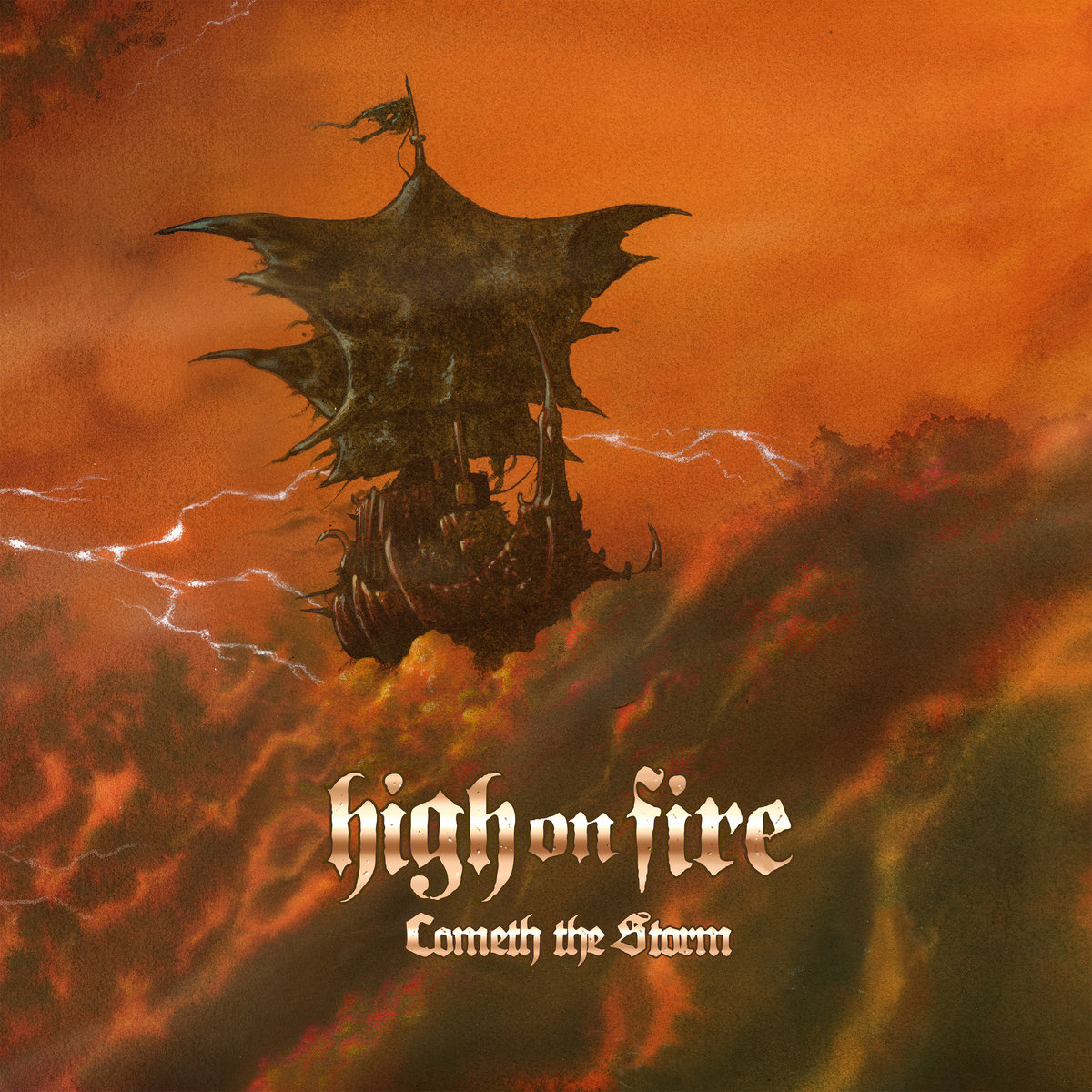
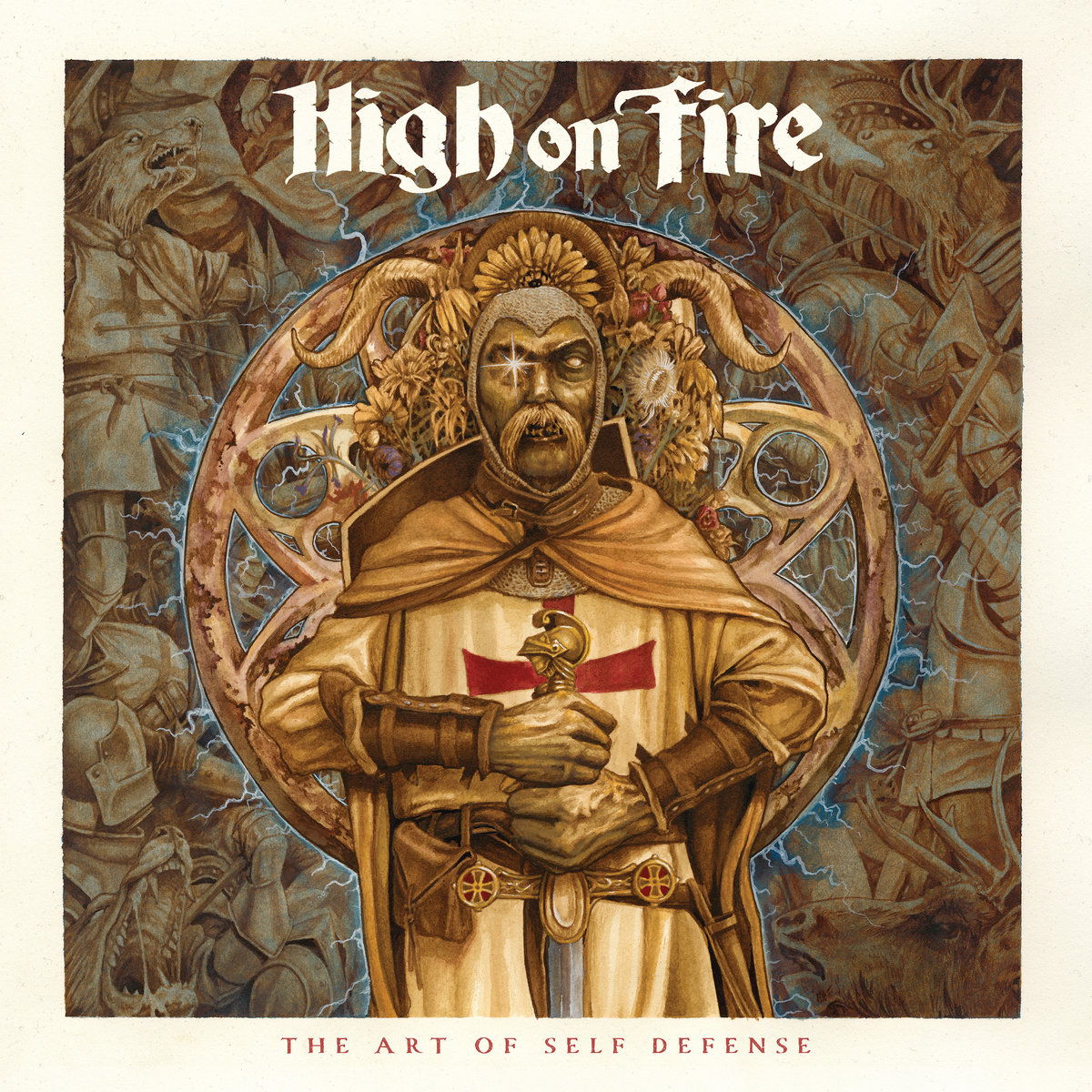
For California's metal scene, such high-profile collaborations set precedents for local acts seeking to break beyond traditional genre constraints. Bands like High on Fire have long demonstrated how Bay Area acts can maintain extreme metal credibility while expanding sonic palettes, and these new collaborative models offer additional pathways for creative growth.
Next Generation Hardcore Emerges
The hardcore scene continues evolving through new generational voices, with teenage acts like XCOMM preparing debuts that bridge classic hardcore aggression with modern production approaches. While these young bands emerge from different regions, their rise parallels California's own youth movement, where acts continue building on the state's rich hardcore and crossover traditions.
California's hardcore scene has always benefited from intergenerational exchange, with veteran acts mentoring younger bands while learning from fresh perspectives. The success of acts like Scowl demonstrates how California's young hardcore acts can achieve national recognition while maintaining local scene connections—a model that continues inspiring the next wave of emerging bands.
International Influences Shape Local Scene
International metal developments continue influencing California's scene evolution. Recent announcements of historic Nordic black metal gatherings highlight how established regional scenes can create landmark events that resonate globally. While California's black metal acts like Deafheaven have already achieved international recognition, these overseas developments offer models for how local scenes can create defining moments that transcend geographical boundaries.

The California metal scene has always drawn inspiration from global developments while maintaining distinct regional characteristics. Whether it's incorporating Scandinavian black metal atmospherics, British doom heaviness, or Germanic thrash precision, California bands have consistently proven adept at absorbing international influences while developing uniquely Californian interpretations.
Tribute Culture and Legacy Preservation
Recent discussions among surviving members of influential bands about potential tribute performances highlight metal's ongoing relationship with its own history. Former Type O Negative guitarist Kenny Hickey's openness to commemorative shows demonstrates how veteran musicians navigate honoring deceased bandmates while respecting artistic legacies—considerations that resonate throughout California's scene as pioneering local acts age and evolve.
California's metal community has always shown deep respect for its pioneers, from early thrash legends to hardcore innovators. As the scene matures, questions of legacy preservation become increasingly relevant. How do surviving members honor departed friends? How do younger bands acknowledge influences without simply copying them? These challenges face every regional scene, but California's diversity offers multiple models for approaching such delicate territory.
Looking Forward
As California's metal scene continues evolving, the recent wave of veteran band activity, cross-genre collaboration, and generational exchange suggests a healthy ecosystem where established acts maintain creative vitality while supporting emerging voices. From Bay Area groove metal veterans tackling hardcore classics to young bands building on decades of regional innovation, the Golden State's heavy music community demonstrates the benefits of embracing both tradition and experimentation.
The challenges facing politically outspoken bands serve as reminders that metal's rebellious spirit still carries risks, but California's historically progressive metal community has never shied away from addressing difficult topics. As new bands emerge and veteran acts explore fresh creative territories, the state's metal scene remains positioned to continue its role as a national trendsetter while maintaining the regional authenticity that has always defined California's unique contribution to heavy music culture.