Fieldy's Korn Departure and Former DevilDriver's Industrial Evolution Signal California Nu-Metal's Genre-Bending Future
The California nu-metal landscape continues its evolutionary journey as two pivotal developments reshape the Golden State's heavy music identity. Fieldy's recent candid discussions about stepping away from Korn and former DevilDriver guitarist Mike Spreitzer's industrial metal venture Verona On Venus debuting new material at Hollywood's Bar Sinister showcase how California's metal pioneers are redefining their artistic paths in the post-pandemic era.
The Pandemic's Lasting Impact on Metal Veterans
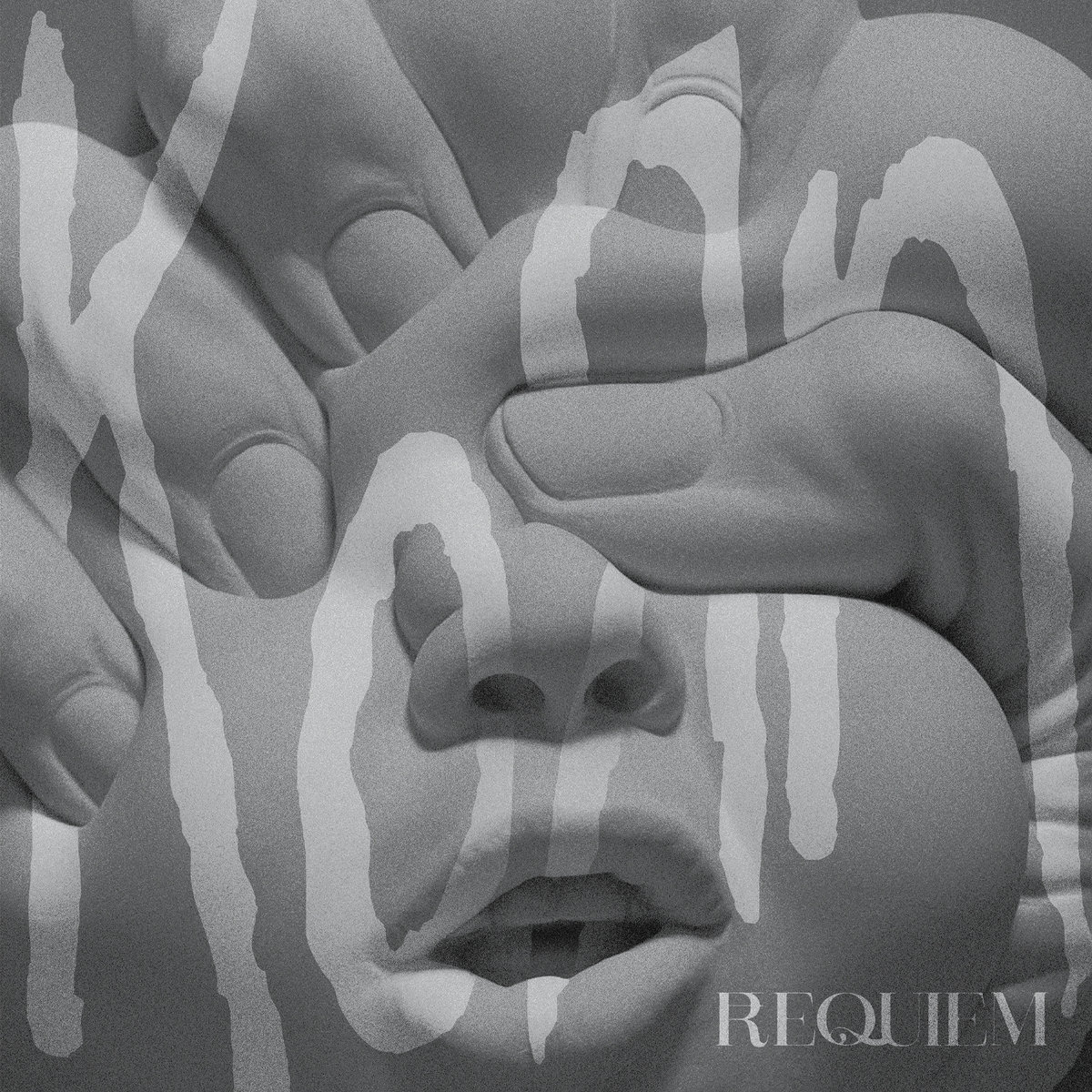
Reginald "Fieldy" Arvizu's departure from Korn represents more than just a lineup change—it reflects the profound impact the pandemic had on metal musicians' perspectives on career longevity and personal priorities. His straightforward explanation that "COVID happened. That's it" resonates with many artists who used the forced touring hiatus to reassess their relationship with the music industry's demanding schedule.
The Bakersfield-formed nu-metal giants have been a cornerstone of California's heavy music export for nearly three decades, helping establish the state as the epicenter of alternative metal innovation. Fieldy's potential return remains open-ended, embodying the fluid nature of modern band dynamics where permanent departures have given way to strategic breaks and selective participation.
This shift in how veteran musicians approach their careers mirrors broader changes across the California metal scene, where sustainability and creative fulfillment increasingly take precedence over traditional touring obligations. For younger bands like Hat, who blend black metal with sludge elements, these changing dynamics create opportunities to fill venues and festival slots previously dominated by established acts.
Industrial Innovation in Hollywood
Meanwhile, Mike Spreitzer's Verona On Venus project represents California metal's ongoing genre experimentation. The former DevilDriver guitarist's transition from groove metal to industrial metal with the live debut of "Even Hell" at Bar Sinister demonstrates how the state's musicians continue pushing creative boundaries beyond their established sounds.
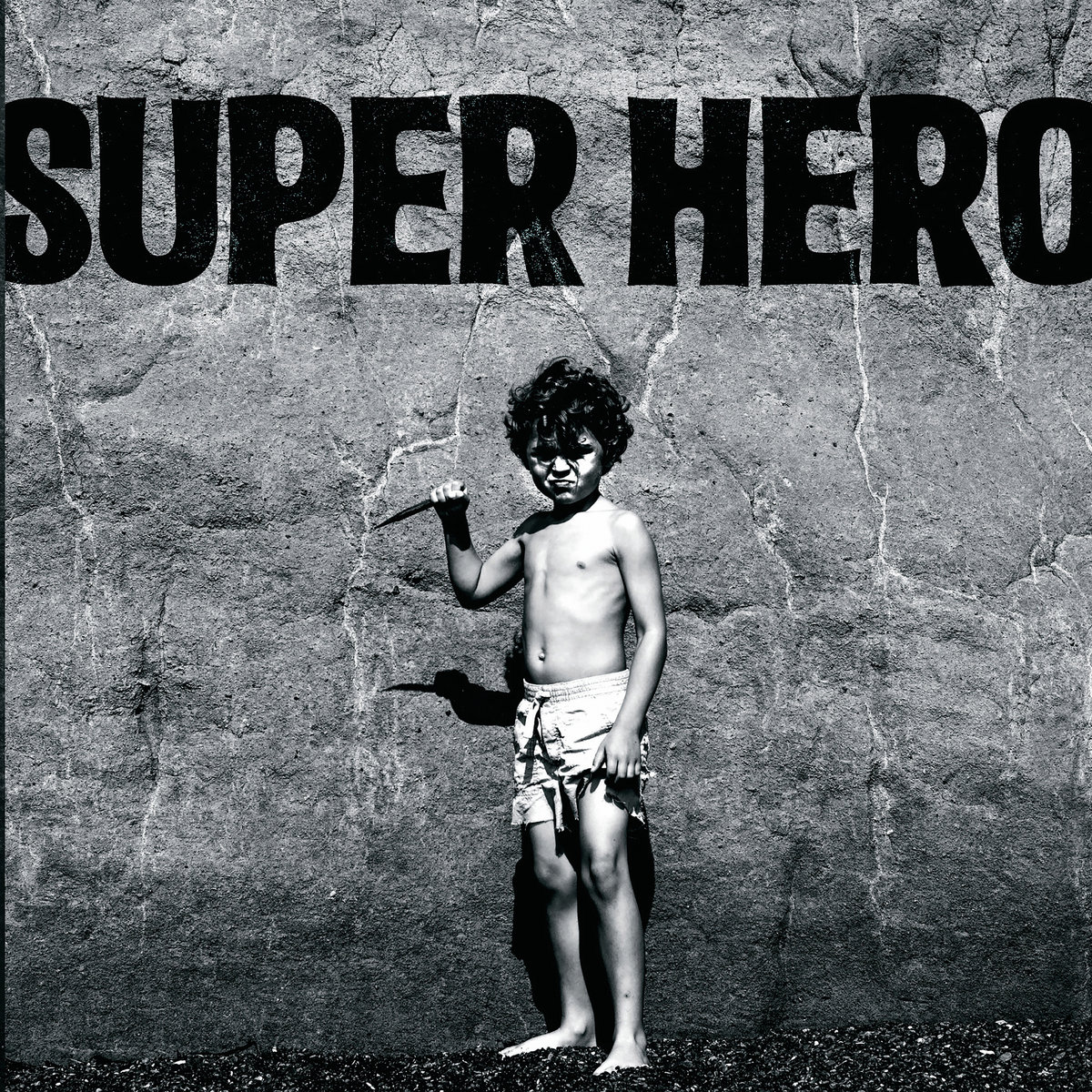
The Hollywood venue choice proves significant—Bar Sinister has long served as a proving ground for experimental metal and industrial acts, providing an intimate setting where artists can test new material before committed audiences. Spreitzer's industrial direction adds to California's rich tradition of genre-blending, following in the footsteps of bands like Faith No More who pioneered alternative metal's experimental approach.
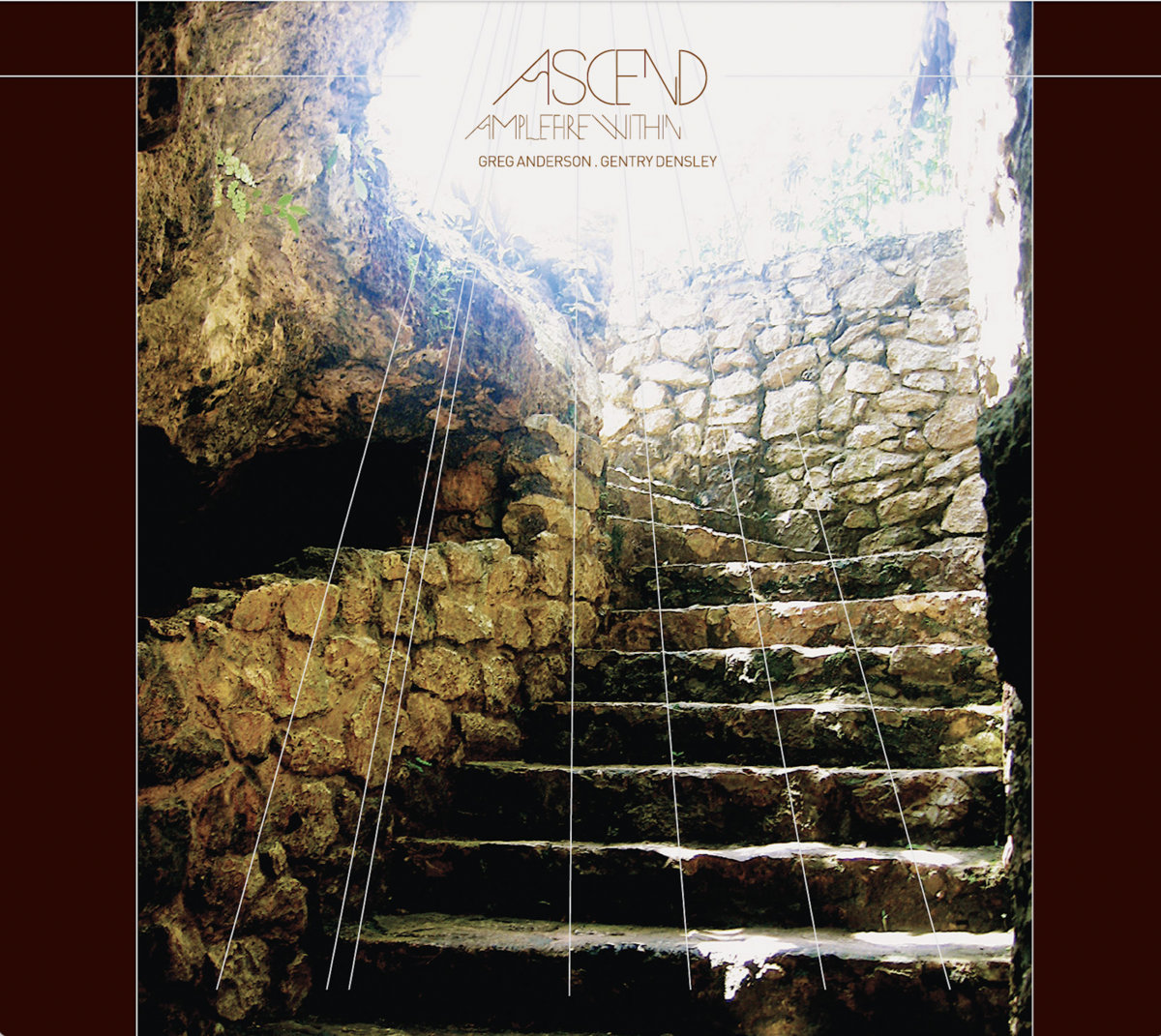
This industrial resurgence connects with California's current underground scene, where bands like Ana and Ascend incorporate electronic elements into their respective black metal and metalcore foundations, creating hybrid sounds that reflect the state's technological innovation culture.
The Retirement and Return Phenomenon
The recent trend of veteran artists announcing retirement only to reverse course highlights the complex relationship between artistic passion and industry burnout. Kevin Martin's decision to un-retire Candlebox demonstrates how creative drive often outlasts initial retirement intentions, particularly when artists discover they still have meaningful messages to communicate through their music.
This pattern reflects broader changes in how metal bands touring 2026 approach career sustainability. Rather than maintaining relentless touring schedules, many acts now embrace selective activity that prioritizes artistic fulfillment over market expectations. The approach allows for creative recharging while maintaining fan connections, potentially extending career longevity.
For California's diverse metal ecosystem, these veteran approaches provide valuable models for emerging acts. Bands can observe how established artists balance commercial obligations with personal well-being, informing their own career strategies from the outset rather than learning through burnout experiences.
Genre Evolution and Local Scene Impact
The industrial metal revival represented by Spreitzer's new direction reflects California's role as an incubator for genre innovation. The state's metal scene has consistently produced acts that refuse easy categorization, from the avant-garde experiments of Mr. Bungle to the nu-metal explosion of the late '90s that redefined heavy music's commercial possibilities.
Current California metal acts continue this tradition of boundary-pushing. The state's black metal scene, represented by bands spanning from atmospheric to raw approaches, demonstrates remarkable diversity within specific subgenres. Similarly, the doom metal contingent explores everything from traditional approaches to sludge-infused experimentation, creating a rich tapestry of heavy sound that attracts international attention.
The geographic advantages of California's music scene—proximity to both Los Angeles' industry infrastructure and the Bay Area's underground credibility—allow artists to develop authentic sounds while maintaining access to professional resources. This combination proves crucial for bands attempting genre-crossing experiments that require both artistic freedom and technical execution.
Technology and Creative Expression
Spreitzer's industrial direction also reflects how California metal artists increasingly incorporate technology into their creative processes. The state's tech industry influence extends beyond digital distribution and social media marketing to actual sound creation, with artists accessing sophisticated production tools that enable complex sonic layering previously requiring major-label budgets.
This technological accessibility democratizes genre experimentation, allowing bedroom producers to create industrial metal as complex as major-label releases. The shift benefits California's extensive network of smaller venues and underground scenes, where technologically enhanced performances can compete with touring acts' production values.
The integration of technology with traditional metal instrumentation continues evolving, suggesting that future California metal may incorporate elements currently associated with electronic music production. This evolution positions the state's metal scene at the forefront of heavy music's next phase, building on its historical role in genre innovation.
Looking Forward: California Metal's Next Chapter
As established acts like Korn navigate lineup changes and former members explore new creative territories, California's metal future appears increasingly diverse and experimental. The state's ability to support both mainstream success and underground innovation provides a unique environment where artistic risks can flourish alongside commercial achievements.
The upcoming touring landscape will likely feature more strategic artist participation, with veterans like Fieldy potentially making selective appearances rather than committing to full-scale tours. This approach may create more opportunities for developing acts to secure significant venue dates and festival slots, accelerating the emergence of new metal bands 2026 from California's deep talent pool.
For fans and industry observers, these developments signal that California metal's next evolution will prioritize authenticity and creative fulfillment over traditional industry metrics. The combination of veteran wisdom and experimental energy positions the Golden State to continue its influential role in heavy music's ongoing transformation, proving that innovation remains the constant thread connecting past achievements with future possibilities.