System of a Down's Unity Message and Sharon Osbourne's Legal Victory Shape California Metal's Reconciliation Era
As political divisions continue to fracture American society, one of California's most outspoken metal bands is preaching a message of unity that resonates far beyond the mosh pit. System of a Down's Daron Malakian recently delivered a powerful statement about bridging ideological gaps, while simultaneously, Sharon Osbourne announced the resolution of a decades-old legal battle that has finally brought closure to Black Sabbath's early catalog disputes.
System of a Down's Message of Unity
Speaking candidly about the current state of American discourse, System of a Down's guitarist and primary songwriter Daron Malakian offered a perspective that cuts through the noise of modern political polarization. "If we can be on stage together and have different thoughts and different beliefs, you can be together too," Malakian stated, addressing fans directly with a call for understanding that transcends partisan boundaries.
This message carries particular weight coming from System of a Down, a band that has never shied away from political commentary. Throughout their career, the Glendale-formed quartet has tackled everything from genocide awareness to anti-war activism, often with members expressing varying degrees of political engagement. Yet they've managed to maintain their creative partnership despite personal differences—a model that Malakian believes others can emulate.
"Stop letting the media divide you. Stop letting the government divide you," Malakian continued, echoing sentiments that resonate with metal fans across the political spectrum. This isn't just band philosophy; it's a blueprint for how creative collaborations can survive ideological differences. For California's diverse metal scene, where artists come from vastly different backgrounds and belief systems, System of a Down's example provides a roadmap for maintaining artistic integrity while respecting personal autonomy.
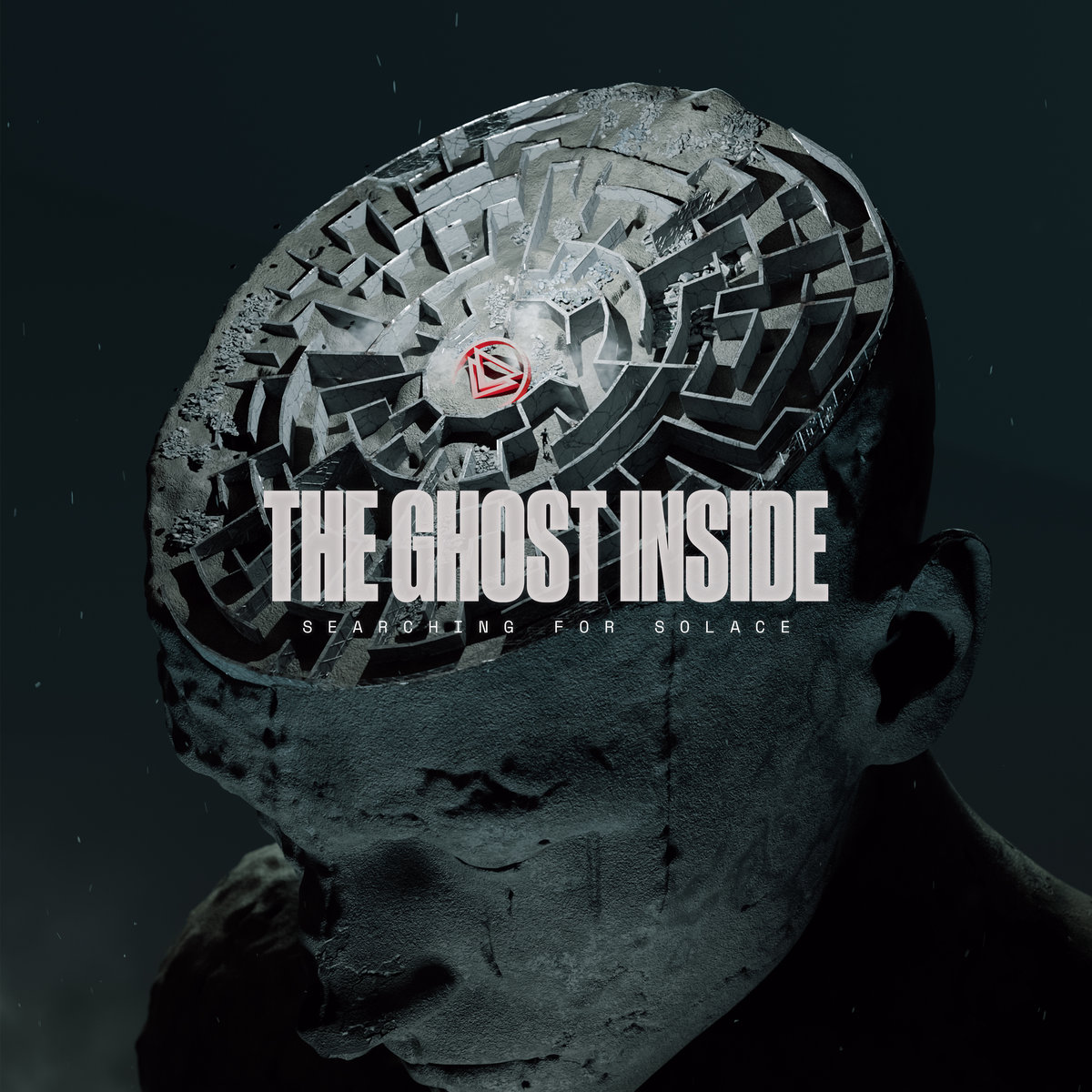
The timing of Malakian's comments feels especially relevant as metal bands nationwide navigate an increasingly polarized cultural landscape. California's metal community, spanning from the progressive enclaves of San Francisco to the more conservative inland regions, has always required a certain level of ideological flexibility to thrive. Bands like The Ghost Inside and others in the state's vibrant metalcore scene have similarly focused on unifying messages of perseverance and community over divisive rhetoric.
Sharon Osbourne Resolves Black Sabbath's Legal Marathon
While System of a Down promotes unity in the present, Sharon Osbourne has finally put to rest a legal dispute that has lingered since metal's earliest days. The resolution of Black Sabbath's conflict with their former manager over rare 1969 recordings marks the end of a complex legal battle centered around demo tapes from when the band still performed under the name Earth.
These early recordings represent some of the most historically significant material in heavy metal, capturing the moment when four young musicians from Birmingham began crafting the sound that would define an entire genre. The legal dispute had remained unresolved for decades, creating uncertainty around the ownership and potential release of these foundational recordings.
For California metal historians and collectors, the resolution of this case sets important precedents for how early demo materials are handled legally. The state's rich archive of underground metal recordings from the 1980s and beyond could benefit from the clarity this settlement provides, particularly as bands from the California thrash and death metal scenes see renewed interest in their formative recordings.
The settlement also highlights the ongoing importance of proper documentation and legal frameworks in the music industry. As California's current metal bands navigate streaming revenues, licensing deals, and multimedia partnerships, the lessons learned from decades-old disputes like this one become increasingly relevant.
Cross-Genre Collaborations Reshape Creative Boundaries
The metal world continues to witness unexpected creative partnerships, most notably the collaboration between Black Veil Brides and Machine Head's Robb Flynn on the track "Revenger." This partnership represents more than just a guest appearance—it signals a broader trend toward cross-generational and cross-subgenre collaboration within metal.
Black Veil Brides, despite their Los Angeles roots, have often been categorized separately from the Bay Area thrash tradition that Flynn represents. Yet their collaboration demonstrates how geographical and stylistic boundaries continue to blur in modern metal. Flynn's participation brings his decades of experience in groove-oriented metal to Black Veil Brides' more theatrical approach, creating something that neither artist could achieve independently.
This type of cross-pollination has become increasingly common in California's metal ecosystem, where proximity and shared touring circuits naturally lead to creative exchanges. The collaboration also reflects a maturation in metal culture, where artists are more willing to step outside their established comfort zones and work with musicians who might have seemed incompatible in earlier eras.
The Business of Metal Evolution
Steve Vai's recent listing of his longtime Encino home for nearly $11.8 million represents another facet of California metal's ongoing evolution. The legendary guitarist's move from the San Fernando Valley to San Diego's Rancho Santa Fe area signals broader demographic shifts within the state's music community, as established artists relocate to areas that better suit their current lifestyles and business needs.
Vai's real estate transaction also illustrates the financial success possible within metal and adjacent genres, particularly for artists who have diversified their careers across multiple decades. His investment in the Encino property three decades ago for $1.2 million has yielded substantial returns, demonstrating how California's real estate market can benefit long-term residents of the music industry.
For emerging California metal bands, stories like Vai's provide both inspiration and practical insight into building sustainable careers in music. The ability to invest in real estate and build long-term wealth while maintaining artistic integrity offers a model that goes beyond traditional touring and recording revenue streams.
Looking Toward Metal's Collaborative Future
As metal bands like Rival Sons prepare to return to more high-energy sounds and established acts like Korn debut new material after extended breaks, California's metal scene continues to demonstrate its capacity for reinvention and growth. The state's diverse geography and cultural landscape provide ideal conditions for the kind of creative cross-pollination and ideological flexibility that Malakian advocates.
The resolution of historical disputes like Black Sabbath's legal battle, combined with contemporary messages of unity and collaboration, suggests that metal's future lies not in division but in the kind of creative partnerships that have always driven the genre forward. Whether through unexpected collaborations, real estate investments, or simple messages of human connection, California's metal community continues to evolve while maintaining the rebellious spirit that defines the music.
For fans and musicians alike, these developments offer reasons for optimism about metal's continued vitality and relevance. As the genre approaches its sixth decade, the combination of historical preservation, contemporary innovation, and unified artistic vision positions California metal to remain at the forefront of heavy music's ongoing evolution.