Death Metal Archives and Charity Reissues: California's Preservation Movement Drives Metal's Historical Renaissance
California's death metal preservation movement is entering a defining moment as archival discoveries and legendary reissues converge to reshape metal's historical narrative. From unearthed studio sessions to charitable classics awaiting their digital renaissance, the Golden State's metal community stands at the forefront of preserving extreme music's most crucial artifacts.
Death Metal's Buried Treasures Surface Through Persistence
The recent discovery of unreleased Type O Negative material from the October Rust sessions exemplifies the archaeological nature of modern metal preservation. When drummer Johnny Kelly uncovered a cassette containing forgotten songs from the band's 1996 masterpiece sessions, he highlighted the fragile nature of metal history and the importance of dedicated archival work.
This discovery resonates deeply within California's death metal community, where bands like Autopsy have been meticulously documenting their creative process for decades. Chris Reifert's commitment to maintaining the band's authentic sound while pushing forward creatively mirrors the broader preservation philosophy emerging across the state's extreme metal scene.
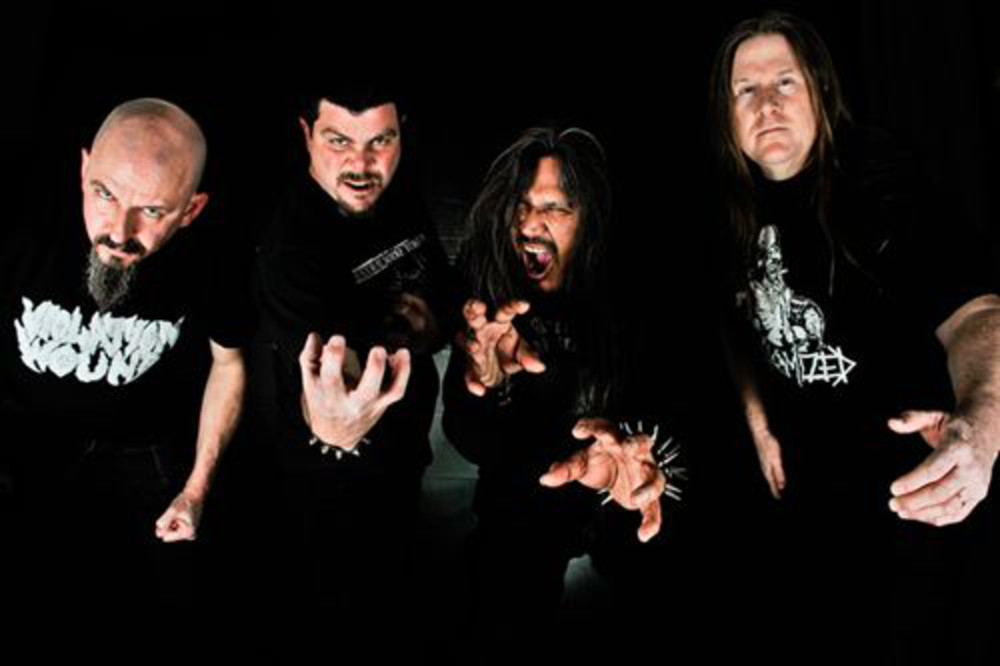
The cassette archaeology approach has become increasingly vital as California's veteran death metal acts recognize the historical significance of their unreleased material. Skeletal Remains and other Golden State death metal practitioners have embraced similar preservation philosophies, ensuring their creative evolution remains documented for future generations.
Charitable Metal's Digital Renaissance Awaits
The potential Metal Blade reissue of Hear 'N Aid's "Stars" represents more than nostalgia—it signals the industry's recognition that 80s metal bands created lasting cultural impact beyond their primary discographies. Wendy Dio's confirmation of ongoing reissue discussions highlights how charitable metal projects deserve equal preservation treatment as traditional album releases.
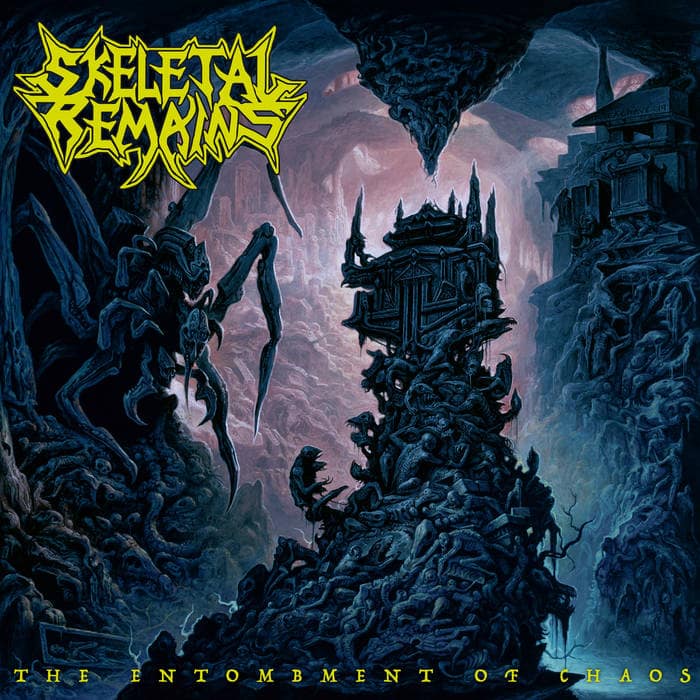
California's metal community has long embraced the charitable collaboration spirit exemplified by the original Hear 'N Aid project. The state's diverse metal ecosystem—spanning everything from Bay Area thrash to Los Angeles death metal—provides the perfect environment for similar cross-genre charitable endeavors. Modern California acts like Black Label Society continue this tradition of combining heavy music with community impact.
The reissue conversation extends beyond individual projects to encompass the broader question of how best metal albums of all time maintain their cultural relevance. When legendary charitable collaborations receive proper digital treatment, they introduce new generations to metal's community-minded traditions while preserving the original artistic statements that defined the genre's golden era.
Modern Documentation Meets Historical Preservation
Bruce Dickinson's recent revelation about recording 16 tracks in 21 days demonstrates how modern metal veterans balance spontaneous creativity with comprehensive documentation. His commitment to capturing entirely live performances reflects a preservation philosophy that values authentic energy over studio perfection—a mindset that aligns perfectly with California's underground metal ethos.
This live-capture approach has influenced California's death metal and extreme music scenes, where bands increasingly recognize the importance of documenting their creative processes in real-time. The state's metal community understands that today's studio experiments become tomorrow's historical artifacts, making comprehensive documentation essential for future preservation efforts.
Cradle of Filth's Dani Filth recently confirmed the completion of new material while celebrating three decades of Dusk and Her Embrace, showcasing how veteran acts balance new creation with legacy preservation. This dual focus has become characteristic of California's metal scene, where established acts maintain creative momentum while ensuring their historical contributions receive proper documentation and preservation.
Regional Impact on Global Metal Archives
California's position as a metal innovation hub makes its preservation efforts particularly significant for global metal history. The state's death metal scene has produced influential acts whose archival materials often contain crucial information about genre evolution and cross-pollination between different extreme metal styles.
The California metal scene continues fostering new metal bands 2026 while maintaining deep respect for historical preservation. This balance between innovation and archival responsibility has created a unique regional identity that values both creative progression and cultural documentation.
Recent gear theft incidents affecting touring musicians like former Saliva vocalist Josey Scott highlight the vulnerability of metal history when equipment and recordings exist only in physical form. These situations underscore the importance of digital preservation efforts and comprehensive backup systems for maintaining metal's historical record.
Looking Forward While Preserving the Past
The convergence of archival discoveries, reissue announcements, and modern documentation practices signals a mature approach to metal history preservation. California's metal community has embraced this philosophy, recognizing that today's underground bands will become tomorrow's historical subjects requiring careful documentation and preservation.
Metal bands touring 2026 will benefit from the preservation infrastructure being established today, ensuring their creative processes and live performances receive proper documentation for future historical analysis. This forward-thinking approach to metal archival work positions California as a leader in preserving extreme music's cultural legacy.
The state's metal venues, studios, and creative communities have increasingly adopted comprehensive documentation practices that capture not just final recordings but the entire creative ecosystem surrounding California's metal scene. This holistic approach ensures future metal historians will have access to complete pictures of how the genre evolved and thrived in the Golden State.
As Type O Negative's unearthed cassette and Hear 'N Aid's potential reissue demonstrate, metal history remains a living, evolving narrative where new discoveries continue reshaping our understanding of the genre's development. California's metal community stands ready to contribute to this ongoing historical renaissance through continued innovation, careful preservation, and unwavering dedication to documenting extreme music's cultural significance.