Testament's Chuck Billy Memoir and Raw Black Metal's Truth Movement Define California's Authenticity Revolution
Testament's Chuck Billy prepares to bare his soul in an upcoming memoir while artificial intelligence controversies plague metal distribution platforms, creating an unexpected cultural moment where California's metal scene finds itself at the forefront of an authenticity revolution that spans from Bay Area thrash legends to the state's most uncompromising raw black metal underground.
Bay Area Thrash Confronts Mortality and Truth
The announcement of Chuck Billy's memoir "Holding My Breath: The Two Testaments Of Chuck Billy" represents more than just another rock star tell-all. Billy's journey from Native American roots to thrash metal stardom, interrupted by a life-threatening cancer diagnosis, offers a rare glimpse into the personal costs of maintaining artistic integrity in an industry increasingly dominated by manufactured experiences.

Billy's story resonates particularly strongly within California's current metal climate, where authenticity has become both a rallying cry and a point of fierce debate. His battle with cancer—a fight that temporarily silenced one of thrash metal's most distinctive voices—parallels the broader struggle many California metal artists face in maintaining their artistic identity against commercial pressures and technological disruption.
The memoir's timing coincides with renewed interest in the best metal bands of the Bay Area's golden era, as younger generations discover the raw power and emotional honesty that defined Testament's approach. Unlike many contemporary acts who craft their image for social media consumption, Billy's narrative spans decades of genuine struggle, triumph, and the relentless pursuit of musical truth.
AI Controversy Exposes Industry's Identity Crisis
While Billy prepares to share his human story, metal platforms face their own authenticity crisis. Recent incidents involving wrongful AI flags on legitimate metal releases highlight the growing tension between technological convenience and artistic authenticity—a tension that California's underground scene knows all too well.
The state's raw black metal community, including bands like Tone, has built its entire aesthetic around unprocessed authenticity and deliberate lo-fi production values. These artists create music that purposefully embraces imperfection, distortion, and human limitation—qualities that automated systems increasingly flag as "suspicious" or "artificial."
This technological misunderstanding reveals a fundamental disconnect between how machines interpret music and how human audiences experience emotional authenticity. California's new metal bands 2026 face an unprecedented challenge: proving their humanity to algorithms before they can reach human ears.
Desert Rock Veterans Navigate Reunion Waters
Queens of the Stone Age's reunion with former bassist Nick Oliveri after more than a decade signals another facet of California's authenticity movement. Oliveri's return to the stage represents the kind of organic reconciliation that can't be manufactured or algorithmically optimized—it emerges from genuine musical chemistry and shared creative history.
The reunion occurred during a period when many California metal acts are reassessing their legacy relationships and creative partnerships. Unlike the corporate-driven "reunion tours" that dominate mainstream rock, Oliveri's return feels spontaneous and artistically motivated, embodying the desert rock ethos that prioritizes musical honesty over commercial calculation.
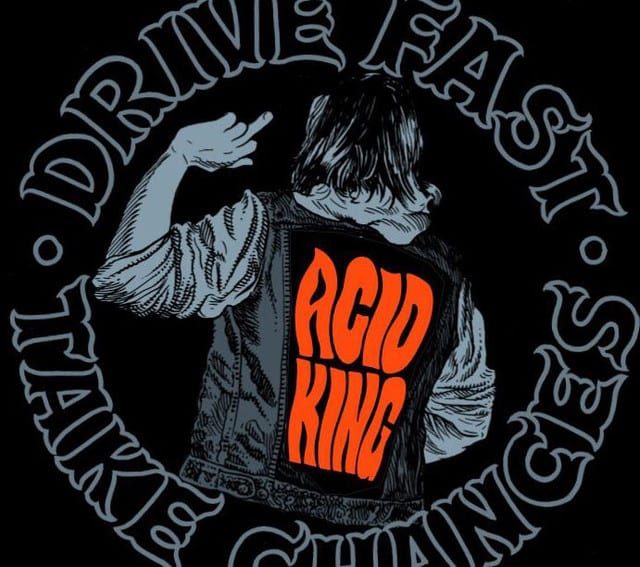
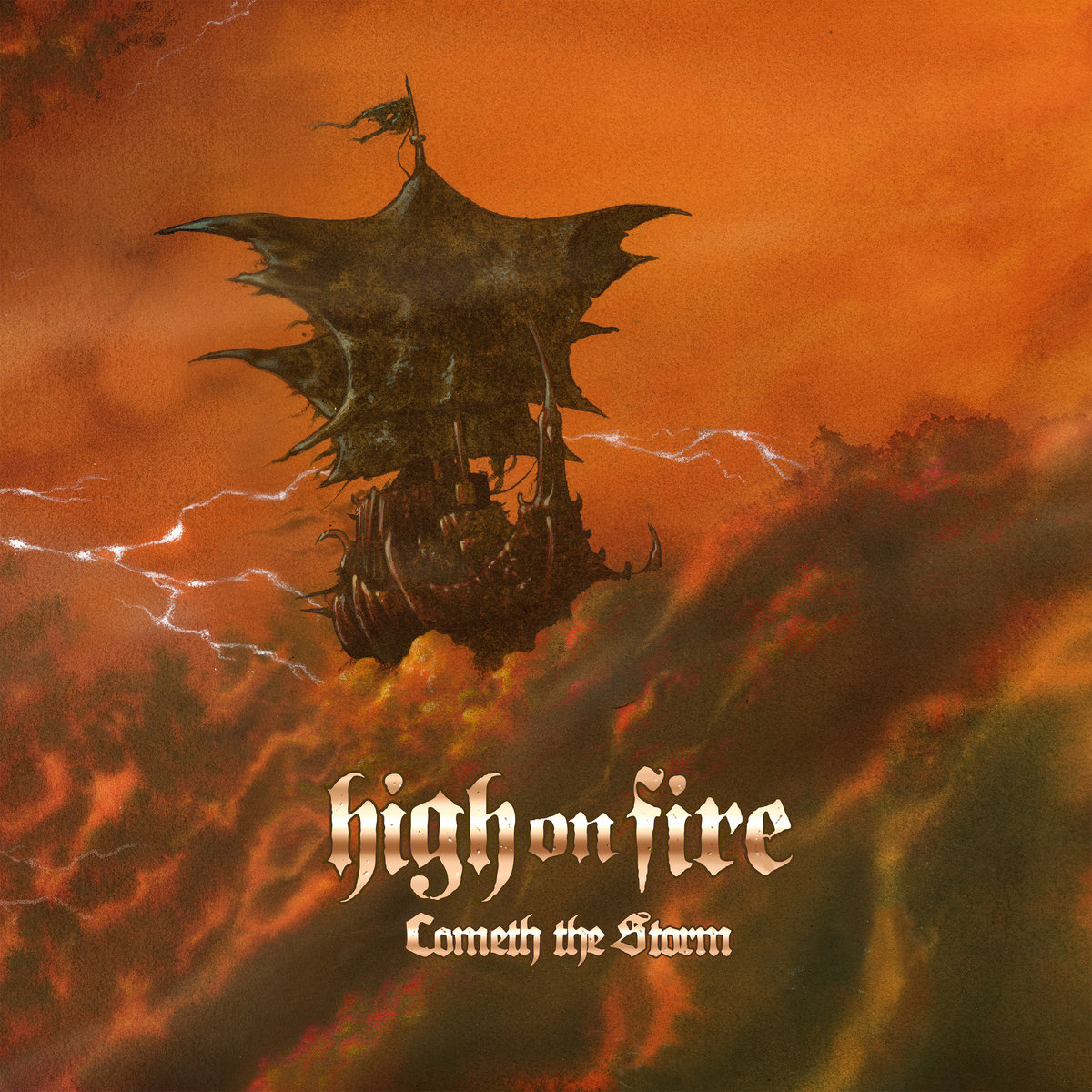
This development particularly resonates within California's stoner and desert rock communities, where bands like High on Fire and Acid King have maintained similar commitments to artistic authenticity over commercial appeal. The emphasis on genuine collaboration over manufactured spectacle reflects broader changes in how California metal artists approach creative partnerships.
Autopsy's Studio Return Anchors Death Metal's Authenticity
Chris Reifert's announcement of new Autopsy recordings later this year provides another anchor point for California's authenticity movement. The veteran drummer-vocalist's approach to gore death metal has remained remarkably consistent since the band's formation, refusing to compromise with trends or technological shortcuts that might dilute their distinctive sound.
Autopsy's commitment to analog recording techniques and traditional death metal craftsmanship offers a stark contrast to the AI-generated content flooding digital platforms. Reifert's hands-on approach to both drumming and vocal performance embodies the kind of human artistry that algorithms struggle to replicate or even recognize as authentic.
This studio announcement arrives as California's death metal scene, including bands like Rut, faces increased pressure to adapt to digital distribution models that often favor quantity over quality. Autopsy's continued emphasis on craftsmanship provides a roadmap for maintaining artistic integrity within an increasingly automated industry landscape.
Crossover Thrash Maintains Aggressive Honesty
The release of Extinction A.D.'s collaborative single "Truth or Consequences" demonstrates how crossover thrash continues to prioritize direct communication over polished presentation. The genre's inherently aggressive approach to social commentary aligns perfectly with California's current authenticity movement, where bands increasingly reject sanitized messaging in favor of raw honesty.
California's crossover thrash community, including acts like Drain, has maintained strong connections to hardcore punk's DIY ethics while embracing metal's technical possibilities. This hybrid approach creates music that feels simultaneously sophisticated and uncompromising—qualities that resonate strongly with audiences seeking alternatives to algorithm-friendly content.
The collaborative nature of "Truth or Consequences" reflects broader trends within California's metal community, where artists increasingly view cooperation as a form of resistance against industry homogenization. These partnerships prioritize creative chemistry over commercial calculation, producing results that feel organic rather than manufactured.
Legacy Acts Embrace Unexpected Platforms
Slayer's Tom Araya accepting the Grand Marshal position at Texas Motor Speedway's Würth 400 represents the kind of unexpected cultural crossover that California metal veterans increasingly embrace. Rather than limiting themselves to traditional metal contexts, these artists explore new audiences while maintaining their artistic core identity.
This willingness to engage with diverse cultural platforms reflects broader changes within the California metal scene, where artists recognize that authenticity doesn't require isolation. By appearing in contexts that might seem unusual for extreme metal, these veterans demonstrate confidence in their artistic identity and willingness to introduce metal's values to new communities.
The Future of California Metal Authenticity
As California's metal scene navigates the tension between technological convenience and artistic authenticity, the state's diverse metal communities are developing strategies that prioritize human creativity while embracing beneficial technological tools. The key lies in maintaining creative control while utilizing technology as a means rather than an end.
From Chuck Billy's memoir exploring decades of genuine struggle to raw black metal bands defending their deliberately unpolished sound, California metal artists are establishing authenticity as their primary competitive advantage in an increasingly artificial landscape. This movement suggests that the future belongs to artists who can prove their humanity through their art—a challenge that California's metal community seems uniquely prepared to meet.
The state's metal scene has always thrived on diversity, from the technical precision of Bay Area thrash to the atmospheric experimentation of post-black metal pioneers. This diversity now serves as a crucial defense against algorithmic homogenization, offering multiple pathways for authentic expression that resist easy categorization or replication.