Supergroup Formations and Health Comebacks Define Metal's Resilient Veteran Class as California Scene Evolves
The metal world's veteran class is proving that experience breeds both resilience and creative ambition, as recent developments showcase established artists bouncing back from health challenges and forming unexpected new partnerships. From supergroup announcements to successful medical recoveries, the scene's elder statesmen are demonstrating that longevity in metal comes not from playing it safe, but from continuous reinvention and mutual support.
Living Wreckage Emerges from Metal's Elite Lineage
The formation of Living Wreckage represents a fascinating convergence of thrash metal's most respected lineages. Drawing members from both Anthrax and Shadows Fall, this supergroup brings together decades of collective experience in crafting the kind of aggressive, technically proficient metal that defined the genre's evolution from the 1980s through the 2000s. Their debut single "Righteous Side of Sanity" marks not just a new beginning, but a continuation of the creative restlessness that has kept metal's veteran class relevant across multiple generations.
This type of cross-pollination between established acts has become increasingly common as veteran musicians seek new creative outlets beyond their primary bands. The California metal scene has long been a breeding ground for such collaborations, with the state's dense concentration of talent making spontaneous partnerships almost inevitable. The geographic proximity that allows Bay Area thrash legends to casually jam with Los Angeles death metal virtuosos or Orange County punk innovators creates an environment where supergroups form organically rather than through calculated industry machinations.
For California-based acts like Category 7 and Eternal Ballers, who operate in similar thrash and groove metal territories, Living Wreckage's formation demonstrates how veteran credibility can be leveraged to launch new creative ventures. The state's thrash metal heritage, established by bands like Death Angel and continued by countless underground acts, provides a foundation for understanding how experience translates into artistic authority.
Medical Triumphs Signal Career Renewals
Bruce Kulick's successful heart valve surgery recovery represents more than just a personal victory—it symbolizes the determination that has kept rock and metal's aging warrior class active well into their seventies. The former KISS guitarist's public update about having "much more music and many more moments to experience" reflects an attitude that pervades metal culture: the refusal to let physical challenges dictate creative limitations.
Similarly, Jason Newsted's revelation about receiving an "all clear" from his throat cancer diagnosis three weeks prior demonstrates how metal's veteran class has become increasingly open about health struggles. This transparency serves multiple purposes: it humanizes legendary figures, provides encouragement to fans facing similar challenges, and reinforces metal's core values of perseverance and authenticity.
These health comebacks resonate particularly strongly within California's metal community, where many of the scene's founding figures are now navigating the realities of aging while maintaining active careers. The state's extensive network of medical facilities and wellness-focused culture provides resources that enable veteran musicians to address health issues proactively rather than reactively.
Punk Legends Break Extended Silence
Mike Ness and Social Distortion's promise to "shock everybody" by releasing their follow-up album to "Born To Kill" in a timely manner acknowledges both the band's historically glacial release schedule and the changing expectations of modern music consumption. After waiting fifteen years between studio albums, Ness's commitment to more frequent releases represents a significant philosophical shift for a band that has always operated on its own timeline.
This development carries particular significance for California's punk and alternative metal scenes, where Social Distortion's influence extends far beyond their Orange County origins. The band's combination of punk energy, rockabilly swagger, and working-class authenticity helped establish a template that continues to influence California acts across multiple genres. Their renewed commitment to regular releases could inspire similar shifts among other veteran California acts who have adopted similarly leisurely recording schedules.
The challenge of maintaining relevance while preserving artistic integrity becomes more complex as bands accumulate decades of history. Social Distortion's approach—acknowledging past delays while promising future efficiency—suggests a recognition that veteran acts must balance their established artistic processes with contemporary audience expectations.
Geographic Challenges Limit International Exchange
Venom's explanation for their absence from American stages—visa complications and prohibitive costs—highlights an often-overlooked obstacle facing international metal acts. The pioneering black metal band's inability to tour the United States despite releasing new material demonstrates how bureaucratic and financial barriers can effectively isolate American audiences from influential international acts.
This situation particularly impacts California's metal scene, which has historically served as the primary entry point for international metal acts touring North America. The state's major venues in Los Angeles, San Francisco, and San Diego typically anchor the west coast legs of international tours, meaning that visa complications don't just affect individual bands—they disrupt the entire ecosystem of promoters, venues, and supporting acts that depend on international touring revenue.
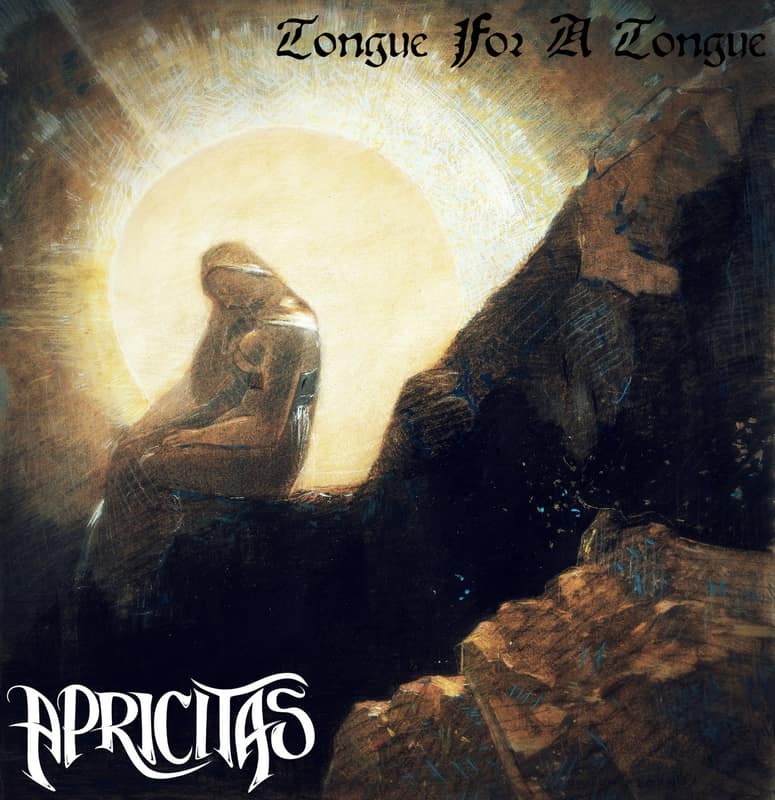
California's black metal community, including acts like Czar and Apricitas, loses valuable opportunities for direct artistic exchange when influential international bands cannot tour. These missed connections can slow the evolution of local scenes that thrive on cross-cultural pollination and direct exposure to different approaches within their genres.
Equipment Recovery Demonstrates Community Solidarity
Josey Scott's successful recovery of his stolen tour trailer and equipment illustrates both the vulnerability of touring musicians and the effectiveness of community-driven recovery efforts. The former Saliva frontman's experience—complete equipment theft followed by total recovery with a suspect in custody—represents an increasingly common touring hazard that affects acts at all levels.
Equipment theft has become a persistent threat to touring musicians, particularly affecting smaller acts who cannot afford the comprehensive insurance coverage that protects major artists. California's vast geographic expanse and multiple metropolitan areas create numerous opportunities for theft, but also provide extensive law enforcement resources and community networks that can aid in recovery efforts.
California's Veteran Advantage
These developments collectively highlight California's unique position in supporting veteran metal acts through their evolving challenges. The state's combination of medical resources, legal infrastructure, diverse venue network, and concentrated talent pool creates an environment where established artists can navigate health issues, form new creative partnerships, and maintain active careers well into their later decades.
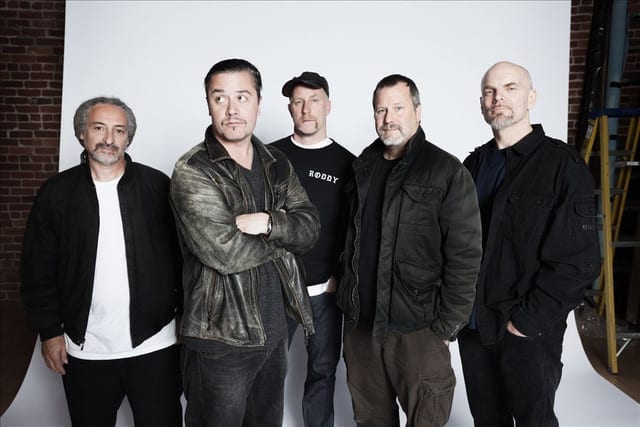
The presence of acts spanning from death metal pioneers like Cattle Decapitation to alternative metal innovators like Faith No More demonstrates how California's metal ecosystem accommodates artists at various career stages and provides models for longevity across multiple subgenres.
As metal's first generation of superstars enters their sixties and seventies, California's infrastructure advantages become increasingly important. The state's ability to support veteran artists through health challenges while providing opportunities for continued creative growth may determine which pioneering figures remain active contributors to metal's ongoing evolution versus those who fade into purely nostalgic roles.