Punk Legends Kira Roessler and SNOT Drive California's Solo Renaissance While Veterans Return to First Principles
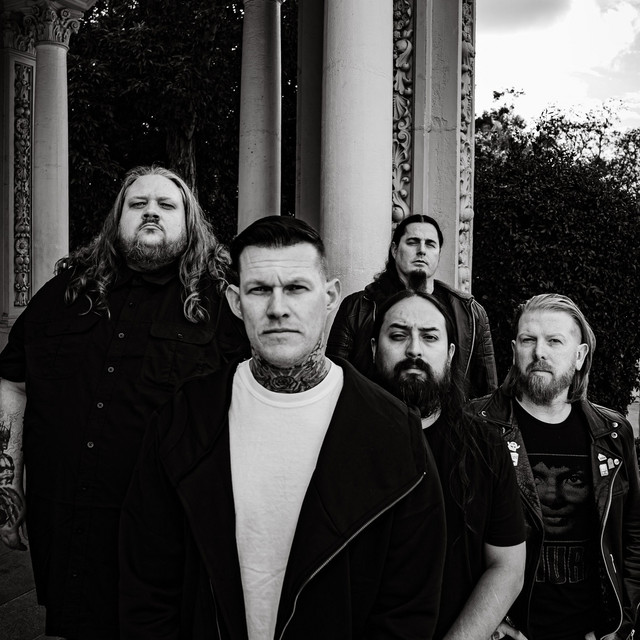
California's heavy music underground is experiencing a fascinating phenomenon: veteran musicians stepping away from collaborative frameworks to pursue deeply personal artistic visions. This movement toward artistic autonomy represents a significant shift from the collective energy that defined many of the state's most influential acts.
Black Flag Bass Legend Charts Solo Territory
Kira Roessler's upcoming solo album represents one of the most intriguing developments in California's post-punk evolution. The former Black Flag bassist, whose thunderous low-end work helped define hardcore punk's most aggressive era, has carved out a completely different sonic territory with her minimalist approach. Her bass-driven compositions strip away the fury and velocity that made her famous, instead focusing on space, texture, and melodic contemplation.
This artistic transformation reflects a broader trend among California's punk and metal veterans who are rejecting the expectation to simply recreate their classic sounds. Roessler's decision to build entire compositions around solo bass demonstrates the kind of creative fearlessness that originally made the California hardcore scene so influential. Her work with DOS alongside Mike Watt already showed her interest in bass-centric minimalism, but these solo efforts push that concept into entirely new emotional territories.
The timing feels particularly significant as California's punk scene grapples with its legacy. While many best metal bands from the 80s metal bands era continue touring on nostalgia circuits, artists like Roessler are using their hard-earned credibility to explore uncharted creative territory. This approach has become increasingly common among California musicians who helped establish genres but refuse to be imprisoned by their past achievements.
Alternative Metal's Forgotten Prophets Return
Perhaps even more surprising is the creative resurgence of Snot, whose influence on alternative metal far exceeded their brief initial run. The band's fusion of funk, metal, and punk predated nu-metal's mainstream explosion by several years, but their career was tragically cut short. Now, three decades later, they're approaching a full album with the confidence of veterans who have nothing left to prove.
SNOT's return speaks to something deeper happening in California's metal bands touring 2026 landscape. Unlike the reunion tours that simply recreate past glories, this represents genuine artistic continuation. The band members have spent decades absorbing influences, refining their craft, and developing perspectives that simply weren't available to them as young musicians. Their new material promises to bridge the gap between their pioneering alternative metal sound and contemporary underground developments.
This kind of patient, methodical approach to creating new metal bands 2026 represents a stark contrast to the industry's typical rush-to-market mentality. SNOT's decision to craft nearly ten songs before announcing their return demonstrates the kind of artistic maturity that only comes from understanding both the weight of legacy and the freedom that comes with having already proven themselves.
The Solo Renaissance Movement
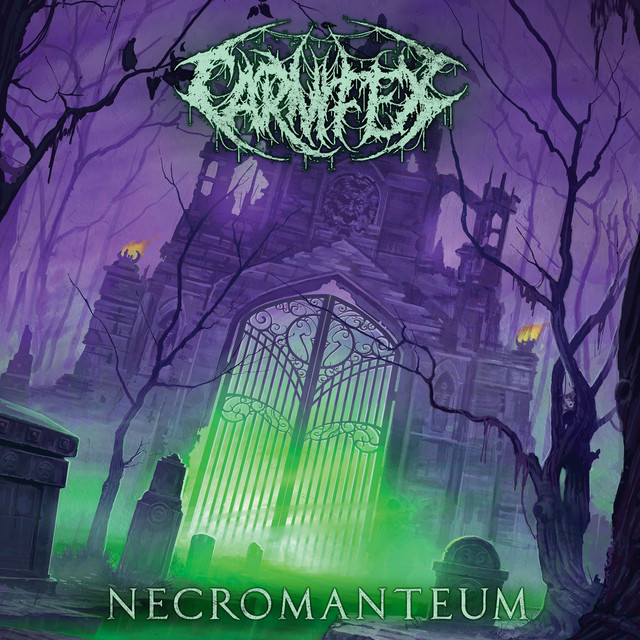
What makes both Roessler and SNOT's returns particularly fascinating is how they reflect California's unique position in heavy music culture. The state's diverse underground scenes have always provided space for experimentation, but the current moment seems especially fertile for artists pursuing highly personal visions. This trend extends beyond punk and alternative metal into extreme genres where California bands like The Zenith Passage and Carnifex continue pushing technical and atmospheric boundaries.
The solo renaissance also reflects changing industry dynamics. With traditional label support systems transformed and streaming platforms democratizing distribution, veteran musicians have unprecedented freedom to pursue projects that might have been commercially unfeasible in previous decades. California's deep musical infrastructure—from recording studios to supportive fan communities—provides the perfect environment for these kinds of artistic risks.
This movement toward individual artistic expression doesn't represent a rejection of collaboration so much as a maturation of it. Artists who spent decades learning their craft within band contexts are now applying those skills to deeply personal projects. The results often reveal aspects of their musicianship that were obscured within larger group dynamics.
Legacy Acts Navigate Modern Metal's Complexity
The broader metal landscape provides interesting context for these California developments. Veteran acts across all subgenres are grappling with how to balance artistic growth with fan expectations. Some pursue the endless touring circuit, delivering reliable performances of classic material. Others chase contemporary trends, often with mixed results. But the most interesting artists—like Roessler and SNOT—are finding third paths that honor their history while refusing to be confined by it.
This approach has particular resonance in California's California metal scene, where the sheer diversity of influences and scenes provides models for artistic reinvention. From the Bay Area's thrash innovations to Los Angeles' punk-metal crossover experiments, the state has always rewarded musicians willing to synthesize influences in unexpected ways. Current veterans are applying that same experimental spirit to their own catalogs and capabilities.
The geographic advantage cannot be understated. California's metal and punk communities have maintained unusual continuity across decades, with veteran musicians remaining active in underground scenes rather than simply fading away. This creates mentorship opportunities and collaborative possibilities that fuel continued creative development. Young bands learn from seasoned professionals who are still actively pursuing new sounds rather than simply cashing in on past achievements.
Technical Innovation Meets Emotional Depth
What distinguishes California's current veteran renaissance from simple nostalgia projects is the technical sophistication being applied to deeply personal artistic statements. Roessler's minimalist compositions require the kind of restraint and spatial awareness that can only come from decades of experience. Every note placement becomes crucial when you're working with such stripped-down arrangements.
Similarly, SNOT's new material promises to apply their accumulated musical knowledge to themes and approaches that simply weren't available to them as younger artists. The band's original fusion of punk aggression, funk groove, and metal power was revolutionary, but it was also the product of young musicians exploring possibilities. Their current work has the potential to demonstrate what those same creative impulses look like when filtered through decades of musical development.
This combination of technical maturity and emotional depth represents something unique in heavy music. Too often, veteran acts either pursue increasingly complex arrangements that sacrifice emotional impact, or they oversimplify their approaches in ways that diminish their musical personalities. The most successful California veterans are finding ways to integrate their accumulated skills with renewed sense of artistic purpose.
Underground Infrastructure Supports Creative Risk-Taking
California's underground metal infrastructure plays a crucial role in enabling these kinds of artistic risks. The state's network of independent labels, specialized venues, and dedicated fan communities provides support systems that make experimental projects financially viable. This allows veteran musicians to pursue personal artistic visions without necessarily needing mainstream commercial success.
The streaming era has also democratized access to niche audiences in ways that particularly benefit California musicians. An artist like Roessler can now reach bass music enthusiasts, hardcore punk historians, and experimental music fans simultaneously, creating sustainable audiences for projects that might have been too specialized for traditional distribution channels.
This infrastructure advantage extends beyond simple business considerations to creative ones. California's deep pool of skilled musicians, producers, and engineers means that artists pursuing unusual projects can find collaborators who understand their artistic visions. The state's recording facilities offer everything from vintage analog equipment for classic sounds to cutting-edge digital tools for experimental approaches.
Looking ahead, California's veteran renaissance suggests that the state's influence on heavy music will continue evolving in unexpected directions. Rather than simply serving as a museum for classic sounds, California's metal and punk scenes are demonstrating how artistic maturity can fuel continued innovation. The combination of individual artistic vision and collaborative infrastructure creates possibilities that extend far beyond simple nostalgia projects, positioning California at the forefront of heavy music's ongoing evolution.