Underground Venues and Mainstream Crossovers Transform California Metal's Performance Landscape
California's metal scene finds itself at an intriguing crossroads where theatrical mainstream moments collide with intimate underground innovations, creating new paradigms for how heavy music reaches audiences. From Nashville's caves to Hollywood's television stages, the performance landscape is expanding in ways that would have seemed impossible just a decade ago.
Mainstream Metal Gets Theatrical
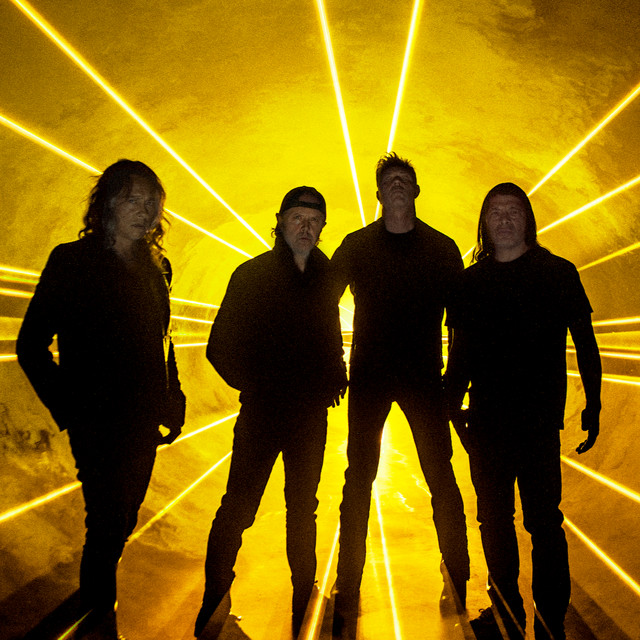
The intersection of metal and mainstream entertainment continues to evolve with unexpected collaborations that bridge seemingly disparate audiences. When legendary bands venture into television territory alongside country-pop superstars, it signals more than just crossover appeal—it represents a fundamental shift in how metal veterans approach audience expansion. These collaborations aren't diluting the music; they're introducing millions of viewers to authentic heavy sound within familiar television frameworks.
For California's metal veterans, particularly those who helped define the best metal bands of previous decades, these mainstream moments represent hard-earned validation. Metallica continues to demonstrate how strategic mainstream appearances can maintain artistic integrity while reaching new audiences, a template that younger California acts study carefully.
The key insight here isn't about selling out—it's about strategic audience development. When metal veterans appear on major television programming, they're not just performing; they're demonstrating that heavy music deserves equal footing with any other genre in American entertainment culture.
Underground Venues Push Creative Boundaries
While mainstream crossovers grab headlines, the underground continues to innovate with venue concepts that challenge traditional performance spaces. Progressive metal acts are increasingly seeking environments that complement their complex musical arrangements, pushing beyond standard club and arena formats into spaces that offer unique acoustic properties and atmospheric enhancement.
The movement toward unconventional venues reflects a broader trend in metal performance philosophy. Bands are recognizing that certain musical styles benefit from specific environmental contexts. Cave performances, for instance, offer natural reverb and acoustic properties impossible to replicate in traditional venues. For California's progressive and atmospheric metal acts, these innovations represent exciting new possibilities for immersive live experiences.
This venue evolution particularly benefits California's diverse extreme metal underground. Bands like Caverns, whose raw black metal aesthetic thrives in unconventional spaces, represent exactly the type of acts that could benefit from these experimental venue approaches. The relationship between environment and extreme metal performance is becoming increasingly sophisticated, moving beyond simple staging toward comprehensive atmospheric design.
Crossover Thrash Maintains Underground Ethos
The resurgence of crossover thrash continues to gain momentum, particularly among acts that maintain underground credibility while expanding their collaborative networks. Recent developments in the crossover scene demonstrate how modern bands can honor the genre's DIY roots while embracing contemporary production and collaborative opportunities.
California's crossover scene has always been particularly strong, with acts like Chain Wolf and Grime carrying forward the aggressive, politically-charged traditions established by pioneering bands decades earlier. The current crossover renaissance builds on these foundations while incorporating modern metal production techniques and cross-genre collaboration strategies.
What makes today's crossover movement particularly interesting is its rejection of nostalgia in favor of evolution. Rather than simply recreating 80s metal bands aesthetics, contemporary crossover acts are pushing the genre's boundaries while maintaining its essential rebellious spirit. This balance between innovation and tradition reflects broader trends across California's metal scene.
Technology Resistance and Human Authenticity
As artificial intelligence becomes increasingly prevalent across creative industries, metal artists are taking deliberate stands about human authenticity in their creative processes. The rejection of AI in music production represents more than just technological skepticism—it reflects metal's fundamental commitment to human expression and emotional authenticity.

For California's metal community, this stance resonates particularly strongly given the state's complex relationship with technology innovation. While Silicon Valley pushes technological boundaries, the metal scene maintains that certain creative expressions require human consciousness and emotional investment that machines cannot replicate.
This philosophy extends beyond recording into live performance philosophy. The emphasis on human-created music reinforces metal's commitment to authentic emotional expression, something that becomes even more valuable as digital recreation becomes more sophisticated. California's new metal bands 2026 are likely to face increased pressure to incorporate AI tools, making explicit rejection of these technologies a meaningful artistic statement.
Bilingual Metal Expands Cultural Reach
The growth of bilingual metal and hardcore represents another significant development in how California's diverse population influences heavy music evolution. Multicultural metal approaches aren't just about language inclusion—they're about expanding metal's emotional and cultural vocabulary to reflect California's demographic reality.
This movement goes beyond simple translation or code-switching. Bilingual metal acts are developing sophisticated approaches to cultural fusion that honor multiple traditions while creating genuinely new expressions. For California's increasingly diverse metal community, these approaches offer models for cultural authenticity that don't require choosing between heritage and genre participation.
The implications extend well beyond California's borders. As metal becomes increasingly global, bilingual approaches developed in California's multicultural environment could influence international metal development. The state's metal scene has always been a testing ground for broader genre evolution, and bilingual innovation continues that tradition.
Festival Innovation and Intimate Experiences
The contrast between massive festival spectacles and intimate venue experiences continues to shape how California metal bands approach tour planning and audience development. Metal bands touring 2026 will likely need to navigate between these extremes, offering both large-scale entertainment and personal connection opportunities.
California's advantage lies in its venue diversity. From intimate clubs to massive outdoor amphitheaters, the state offers every type of performance environment metal bands might need. This diversity allows bands to develop sophisticated touring strategies that can adapt to different audience expectations and venue requirements.
The key development is how bands are learning to tailor their performances to specific venue types rather than simply scaling the same show up or down. Upcoming shows increasingly reflect this strategic approach, with bands designing completely different experiences for different venue types.
Legacy Acts and Archival Projects
The ongoing focus on remastered releases and archival projects reflects metal's growing appreciation for its own history while providing revenue streams that support continued creative work. These projects serve multiple purposes: they satisfy collector demand, introduce classic material to new audiences, and provide financial support for veteran artists' ongoing creative work.
For California's metal legacy, these archival projects are particularly significant. The state played crucial roles in thrash, death metal, and alternative metal development, meaning comprehensive archival work helps preserve essential genre history. When veteran artists participate in their own archival projects, they're not just packaging nostalgia—they're providing historical context and insider perspective on genre development.
This archival focus also influences contemporary bands' approach to documentation and release planning. Understanding that today's releases might become tomorrow's collector items, modern California metal acts are paying increased attention to physical packaging, limited editions, and comprehensive documentation of their creative processes.
The intersection of mainstream crossover, underground innovation, and technological resistance creates a complex landscape for California metal's continued evolution. As the scene navigates these various pressures and opportunities, it maintains its position as a crucial testing ground for metal's broader development while honoring the traditions that made California's metal scene internationally influential.