Black Veil Brides' California Gothic Renaissance Sparks Collaborative Evolution Across Genre Boundaries
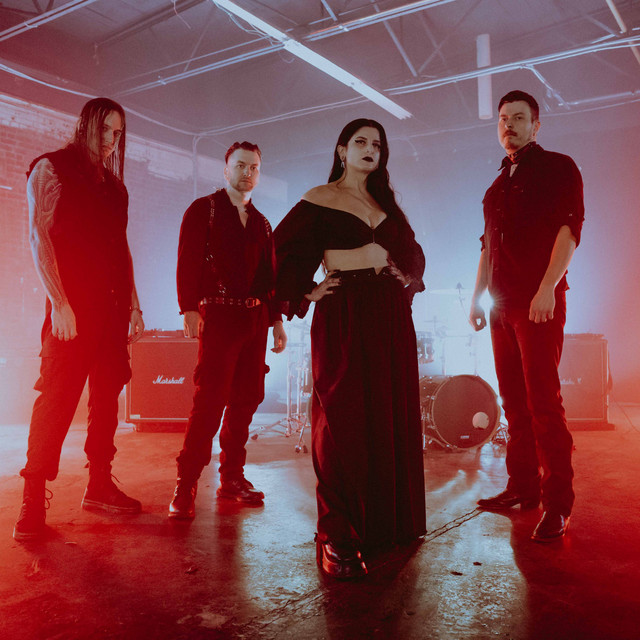
California's theatrical metal scene is experiencing a creative renaissance as Black Veil Brides leads a wave of cross-genre collaborations and cinematic storytelling that's reshaping heavy music's visual narrative. The Los Angeles-based glam metal architects are pushing beyond traditional boundaries, creating partnerships that span from Bay Area thrash legends to emerging gothic artists, setting new standards for how California metal bands approach multimedia creativity.
Cinematic Gothic Metal Takes Center Stage
The latest evolution in California's metal landscape centers on visual storytelling that rivals Hollywood productions. Black Veil Brides' recent collaboration with gothic artist Lilith Czar demonstrates how theatrical metal acts are embracing cinematic influences, drawing inspiration from iconic films to create immersive audio-visual experiences. This approach reflects a broader California trend where metal bands leverage the state's entertainment industry connections to produce increasingly sophisticated content.
The Burton-inspired aesthetic choices and gothic romance themes represent more than surface-level imagery—they signal a maturation in how California metal bands approach narrative construction. Unlike the shock value tactics of previous decades, today's theatrical metal acts are crafting coherent artistic visions that span multiple releases and visual projects.
Cross-Regional Collaboration Networks Emerge
Perhaps more surprising is the emergence of unexpected collaboration networks connecting California scenes with distant metal communities. The partnership between Black Veil Brides and Machine Head's Robb Flynn—bridging Los Angeles theatrical metal with Bay Area thrash—exemplifies how geographic and stylistic boundaries are dissolving in favor of creative synergy.
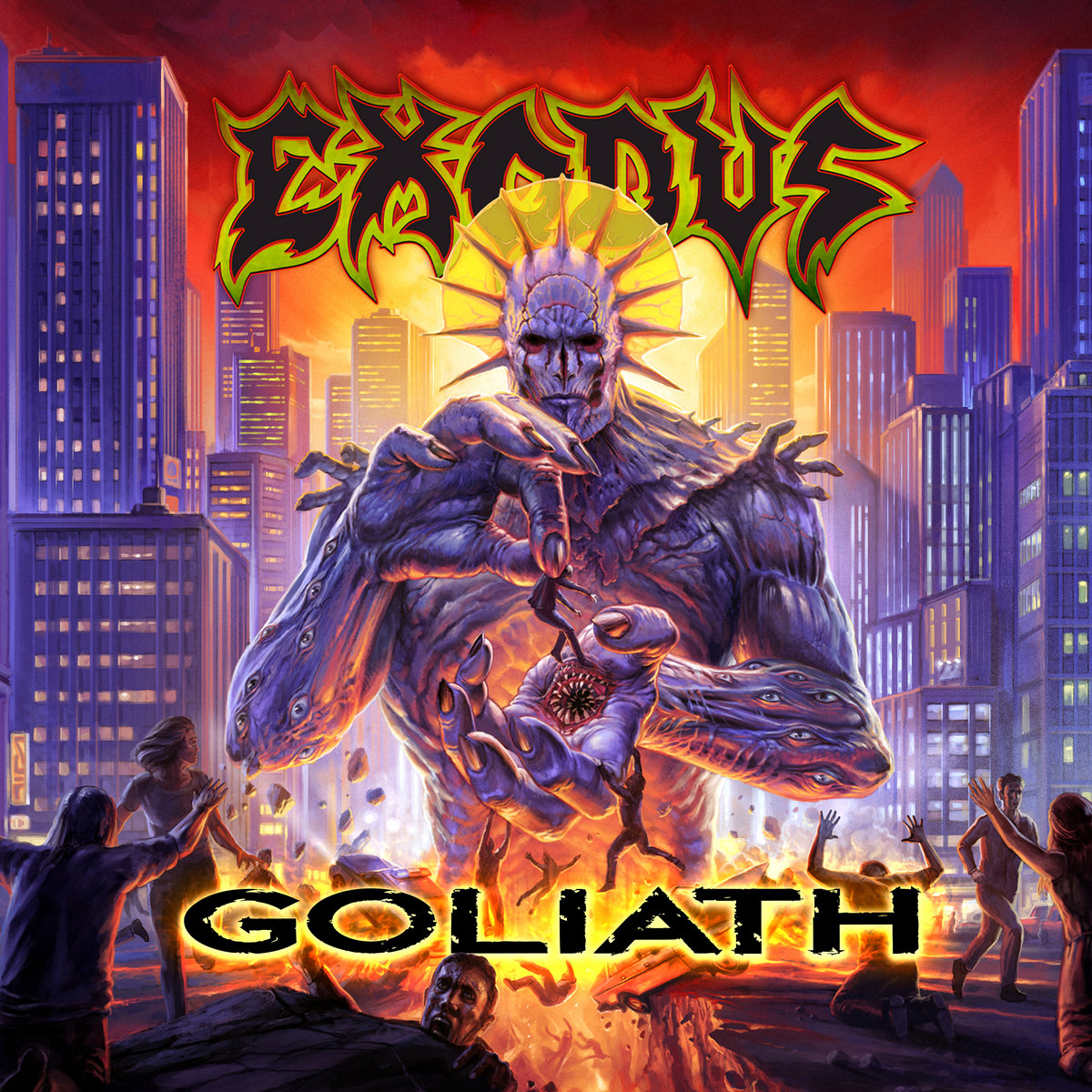
Flynn's involvement brings decades of Bay Area credibility to Black Veil Brides' theatrical approach, while the band's visual sophistication offers Machine Head's frontman new creative outlets. This type of cross-pollination between California's diverse metal subcultures suggests a more interconnected scene emerging, where Exodus veterans might find common ground with nu-metal innovators or doom metal pioneers.
The collaborative trend extends beyond simple guest appearances. Musicians are seeking creative partnerships that challenge their established sounds and expand their artistic horizons. Emma Boster from Dying Wish's new project with Lionize's Nate Bergman exemplifies this experimental spirit, even venturing into indie rock territory with Death Cab for Cutie covers—a bold departure from hardcore expectations.
Label Partnerships Drive Creative Freedom
Meanwhile, California's extreme metal underground is witnessing significant label movement that promises increased creative resources. Carnifex's signing with Sumerian Records represents a strategic move for the San Diego deathcore pioneers, providing major label backing while maintaining their brutal aesthetic vision. Their latest visual work continues California death metal's tradition of combining extreme music with high-production cinematography.
These label partnerships reflect broader changes in how California metal bands approach career development. Rather than simply seeking the largest possible deals, bands are prioritizing creative control and multimedia support that enhances their artistic vision. This strategy particularly benefits California acts, who can leverage local entertainment industry connections to produce content that rivals major mainstream releases.
Instrumental Innovation Gains Momentum
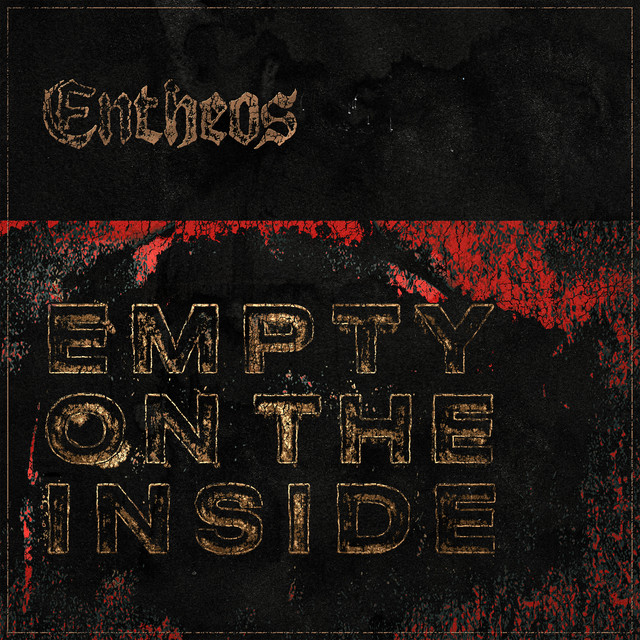
The instrumental metal movement is gaining significant traction, with Sleep Token's instrumental edition release highlighting how bands are exploring new ways to present familiar material. For California's progressive and technical metal scenes, this trend offers exciting possibilities. The state's abundance of skilled instrumentalists—from Entheos' technical death metal complexity to the experimental boundaries pushed by Mr. Bungle—positions California artists to lead this instrumental renaissance.
Instrumental releases allow metal's most technically proficient musicians to showcase compositional skills often overshadowed by vocal performances. For California's progressive metal artists, instrumental versions provide new revenue streams while appealing to musicians and composers seeking to study advanced heavy music arrangements.
Veteran Comebacks Reshape Genre Expectations
The return of dormant acts like Crossbreed after fifteen years demonstrates how California's diverse metal ecosystem supports creative resurrection. These extended hiatuses often result in dramatically evolved sounds, as evidenced by Crossbreed's unlikely EMF cover choice—a decision that would have seemed impossible during their initial run but now fits within metal's expanded creative palette.
These comeback stories inspire current California metal acts to think long-term about their creative evolution rather than rushing to capitalize on immediate trends. The success of veteran returns also validates the loyalty of California metal audiences, who remain engaged with artists across extended career gaps.
Bilingual Metal Movement Expands
California's multicultural metal scene continues expanding through bilingual and multilingual artistic expression. The state's diverse population creates natural audiences for metal acts incorporating multiple languages and cultural influences. This movement goes beyond novelty—bilingual metal acts are developing sophisticated approaches to code-switching and cultural fusion that enhance rather than dilute their heavy music foundations.
For California bands seeking to differentiate themselves in crowded markets, bilingual approaches offer authentic connections to the state's Latino, Asian, and international communities. These aren't calculated marketing strategies but genuine reflections of California's cultural reality translated into heavy music formats.
The Future of California Metal Collaboration
The collaborative spirit driving current California metal innovation suggests a scene increasingly comfortable with genre fluidity and creative risk-taking. Black Veil Brides' multi-faceted approach—combining cinematic visuals, cross-genre collaborations, and theatrical presentation—provides a template for how California metal bands can leverage local resources to create globally competitive content.
This collaborative evolution positions California metal for continued influence on national and international heavy music development. By embracing both technological innovation and cross-cultural artistic exchange, the state's metal artists are creating new paradigms for how heavy music functions in contemporary entertainment landscapes.
The success of these diverse approaches validates California metal's experimental spirit while demonstrating how local scene dynamics can drive broader genre evolution. As collaboration networks expand and creative boundaries continue dissolving, California's metal scene remains at the forefront of heavy music innovation.