Veteran Metal Guitarists Embrace Simplicity While Rising Artists Push Technical Boundaries
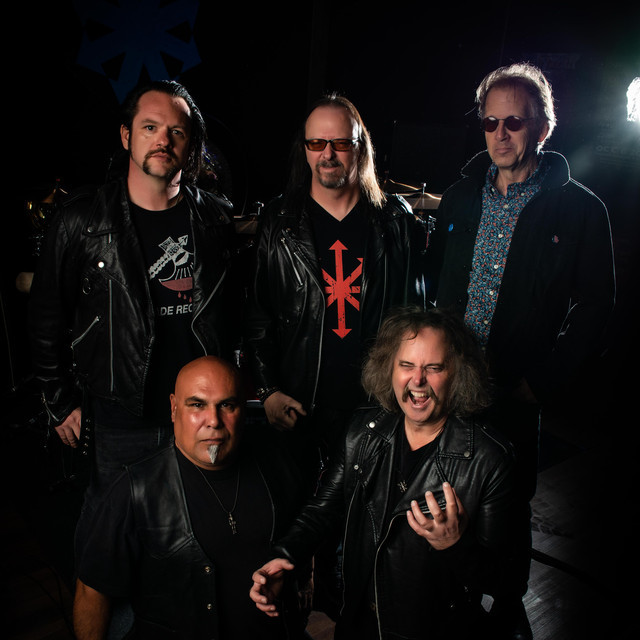
The metal world continues to evolve through an intriguing paradox: established legends are finding renewed appreciation for fundamental techniques, while emerging artists push technical boundaries to new extremes. This dynamic tension reflects broader shifts within the California metal scene, where veteran acts and rising talent navigate different approaches to musical complexity and creative expression.
The Power of Fundamental Excellence
Deep Purple's Simon McBride recently offered fascinating insights into the challenges of performing seemingly straightforward metal classics. The guitarist, who joined the legendary band in 2022, emphasized that deceptively simple songs like "Smoke On The Water" present unique difficulties for performers. This perspective challenges common assumptions about technical complexity in metal music.
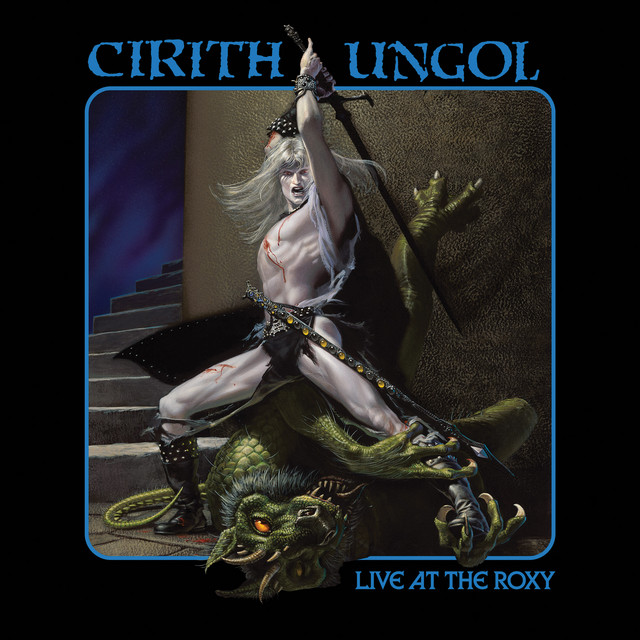
McBride's observations resonate throughout the California metal community, where many Cirith Ungol and other traditional heavy metal acts have built careers on perfecting fundamental approaches rather than pursuing technical showmanship. The enduring appeal of straightforward, powerful riffs demonstrates that effectiveness often trumps complexity in connecting with audiences.
This philosophy extends beyond individual performances to broader artistic choices. When Kreator's Mille Petrozza identifies Metallica's "Blackened" as containing one of his favorite riffs ever, he highlights how memorable songwriting often relies on compelling simplicity rather than overwhelming technicality. These preferences from established artists suggest a maturation process where experienced musicians prioritize emotional impact over technical demonstration.
The Documentary Storytelling Movement
Heart's Ann Wilson recently discussed her authorized documentary "In My Voice," emphasizing its unflinching honesty in chronicling her 75-year journey through music. Wilson's commitment to authentic storytelling reflects a broader trend among veteran artists who are reassessing their legacies and sharing unvarnished truths about their experiences.
This documentary movement represents more than nostalgia; it demonstrates how established artists are using their platforms to provide context for younger musicians and fans. California's metal scene, with its rich history spanning multiple generations, benefits significantly from these storytelling efforts. Veterans share insights about industry evolution, creative processes, and personal struggles that inform current artists' approaches to their careers.
The emphasis on authentic narrative over sanitized biography creates opportunities for genuine connection between artists and audiences. When Wilson states the documentary "tells the story" without whitewashing difficult periods, she establishes a template for honest artistic reflection that younger California metal acts can emulate in their own promotional and creative efforts.
Creative Renewal and Artistic Evolution
Pop Evil's preparation for their ninth studio album demonstrates how established bands maintain creative momentum across extended careers. Frontman Leigh Kakaty's excitement about upcoming writing sessions reflects the ongoing vitality that characterizes successful long-term musical partnerships. This sustained creative energy offers valuable lessons for California's emerging metal bands.
The Kovenant's progress on their first album in over 20 years presents another perspective on creative renewal. Stian "Nagash" Arnesen's confirmation that half the new material is completed suggests that extended breaks can rejuvenate artistic partnerships rather than ending them. This approach provides hope for California metal acts considering temporary hiatuses or reunions after extended separations.
My Chemical Romance's deluxe reissue of "Danger Days" illustrates how established artists can revisit previous work while maintaining forward momentum. These anniversary treatments allow bands to celebrate past achievements while introducing their music to new audiences, a strategy particularly relevant for California metal bands with extensive catalogs.
Performance Challenges and Technical Innovation
Dethklok's recent concert disruption due to heavy smoke and fog effects triggering fire alarms highlights the ongoing tension between spectacular live presentations and practical venue limitations. This incident underscores the complex logistics behind modern metal performances, where bands must balance visual impact with safety regulations and technical constraints.
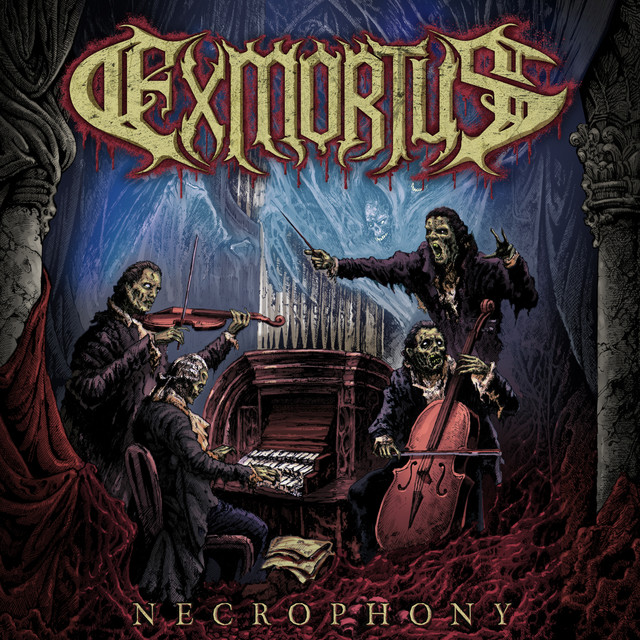
California venues have long dealt with similar challenges, as metal bands increasingly incorporate elaborate stage productions into their performances. Local acts like Exmortus and other technical acts must navigate these same considerations when planning their live shows, balancing artistic vision with practical implementation.
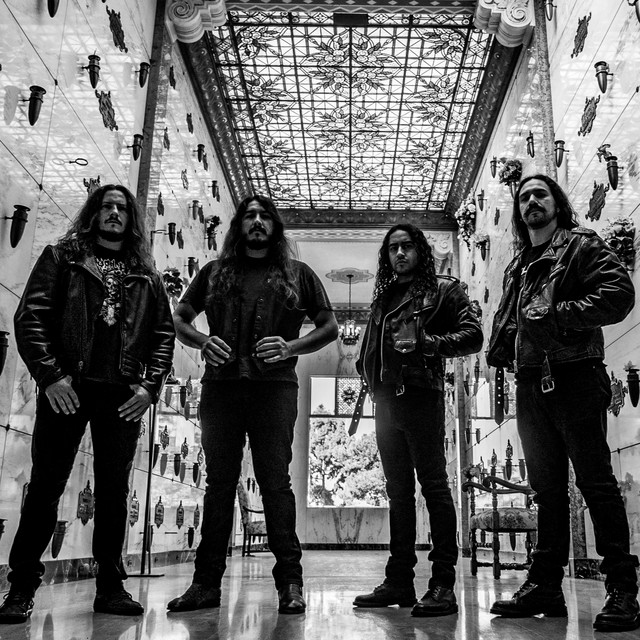
The incident also demonstrates how external factors can impact even carefully planned performances. For California metal bands building their live reputations, understanding these potential disruptions and developing contingency plans becomes crucial for maintaining professional standards and audience satisfaction.
Generational Perspectives on Performance Standards
Zebra's Randy Jackson recently addressed criticism regarding aging musicians' live performances, acknowledging that many fans focus more on nostalgia than current vocal capabilities. This honest assessment reflects broader conversations within the metal community about performance expectations and the realities of extended touring careers.
Jackson's 71-year perspective offers valuable context for California metal musicians at all career stages. His insights about audience priorities and performance standards help inform younger artists' understanding of long-term career sustainability. The balance between meeting audience expectations and accepting physical limitations becomes increasingly relevant as musicians age.
These generational perspectives also highlight changing industry standards and audience relationships. California's metal scene, with its mix of veteran performers and emerging talent, benefits from these cross-generational conversations about performance ethics, audience expectations, and artistic integrity throughout extended careers.
Band Dynamics and Lineup Changes
Adema's recent drummer departure illustrates ongoing challenges in maintaining stable lineups while balancing touring demands with personal priorities. When longtime drummer Kris Kohls left because he "didn't want to tour this year," the situation reflects broader tensions between professional obligations and personal preferences that affect bands throughout their careers.
California metal bands face similar challenges in maintaining lineup stability while pursuing aggressive touring schedules. The competitive nature of the local scene often requires extensive travel and performance commitments that can strain personal relationships and individual priorities within bands.
Former Evanescence guitarist Ben Moody's openness to a We Are The Fallen reunion demonstrates how past tensions can heal over time, potentially leading to renewed creative partnerships. This possibility offers hope for California metal acts that have experienced internal conflicts or lineup changes, suggesting that time and maturation can resolve previous disagreements.
Industry Reflection and Future Directions
Ritchie Blackmore's decision to reduce touring reflects broader conversations about career sustainability and artistic priorities among veteran performers. His acknowledgment that "it's time to kind of pull back" demonstrates how accomplished musicians reassess their commitments and focus on projects that provide the greatest personal and artistic satisfaction.
These reflective approaches influence California's metal scene by providing templates for career management and artistic evolution. Local bands can observe how established artists navigate transitions between intensive touring periods and more selective performance schedules, learning from their experiences and decisions.
The combination of veteran wisdom and emerging talent continues shaping California's metal landscape, creating opportunities for cross-generational collaboration and learning. As established artists share their experiences and insights, younger musicians gain access to perspectives that can inform their own career development and artistic choices.
From technical simplicity to complex logistics, the current metal scene reflects ongoing tensions between tradition and innovation, experience and experimentation. California's diverse metal community remains well-positioned to benefit from these broader industry developments while maintaining its distinctive regional character and continuing to produce both best metal bands and innovative new acts that define the California metal scene for future generations.