Mars Volta's Cedric Bixler-Zavala Challenges Streaming Ethics While Fear Factory and Devin Townsend Signal California Metal's Creative Renaissance
California's experimental music landscape finds itself at the center of increasingly complex conversations about artistic integrity, streaming economics, and creative evolution. The Mars Volta's Cedric Bixler-Zavala has emerged as one of the most vocal critics of streaming platform investment practices, while simultaneously, the state's metal veterans are experiencing a surge of creative output that suggests 2026 may become a defining year for California heavy music.
Streaming Platform Criticism Gains Momentum
Bixler-Zavala's recent commentary on Spotify's investment portfolio represents a growing concern among California artists about the disconnect between platform profits and artist welfare. The vocalist's critique extends beyond typical streaming royalty complaints, focusing instead on how major platforms allocate their substantial revenue streams. This perspective reflects a broader skepticism within California's underground music community about corporate responsibility in the digital age.
The streaming debate particularly resonates in California, where the cost of living has made touring and recording increasingly expensive for emerging bands. Local acts like GASP and other experimental artists have long navigated the tension between reaching wider audiences through digital platforms and maintaining artistic independence from corporate influence.
For California's metal scene, these conversations matter because they influence how new bands approach distribution and fan engagement. The state's diverse heavy music community—from San Francisco's doom metal underground to Los Angeles' crossover thrash scene—relies heavily on streaming platforms for discovery, making platform ethics increasingly relevant to artistic careers.
Fear Factory's Industrial Renaissance
While ethical debates swirl around digital distribution, Fear Factory's Dino Cazares offers a more optimistic perspective on the current creative climate. The guitarist's description of their upcoming album as combining brutality with melody suggests the Los Angeles industrial metal pioneers are embracing their core strengths while exploring new territory.
Fear Factory's approach to their latest material reflects a broader trend among California's established metal acts: leveraging decades of experience to create music that honors their legacy while pushing creative boundaries. The band's emphasis on both heaviness and melodic elements mirrors the current state of California metal, where technical proficiency meets accessibility.
The timing of Fear Factory's creative surge aligns with a renaissance period for California industrial and groove metal. Bands across the state are rediscovering the power of combining electronic elements with traditional heavy metal songwriting, creating music that appeals to both longtime fans and newer audiences discovering the genre through streaming platforms.
Devin Townsend's Ambitious Rock Opera
Canadian-born but California-connected Devin Townsend's latest double single release demonstrates the kind of ambitious artistic vision that thrives in the state's supportive creative environment. "Prepare For War" and "The Big Snit" serve as previews for his upcoming rock opera "The Moth," showcasing the type of large-scale musical storytelling that California studios and production facilities enable.
Townsend's work represents the high-end creative possibilities available to established artists in California's metal ecosystem. The state's combination of world-class recording facilities, experienced session musicians, and proximity to entertainment industry resources makes it an ideal location for ambitious projects like rock operas.
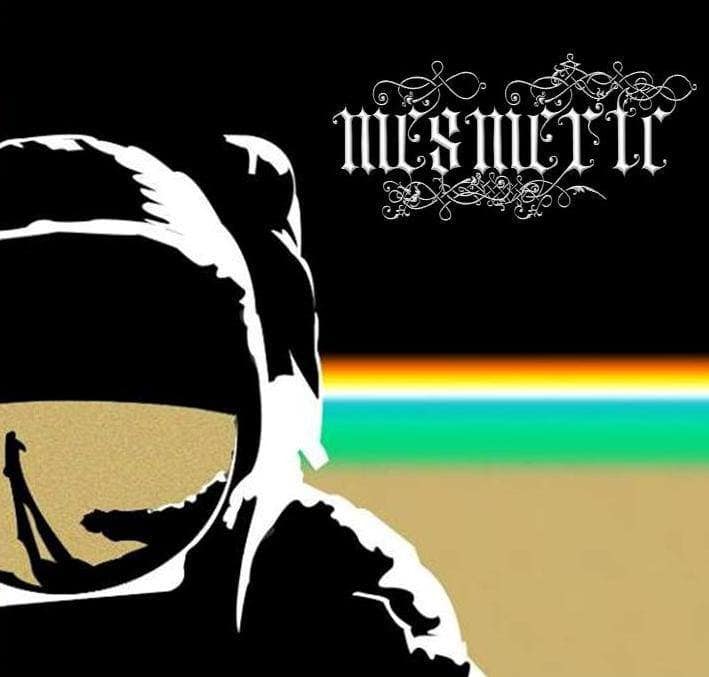
The success of such elaborate undertakings encourages other California-based progressive and experimental metal acts to pursue their own complex artistic visions. Local bands like Mesmeric benefit from this culture of musical ambition, where technical prowess and conceptual depth are equally valued.
Technical Setbacks and Professional Standards
The recent Dethklok concert incident in Milwaukee, where smoke effects triggered fire safety systems, highlights the increasing complexity of modern metal production. California venues have become leaders in managing elaborate stage productions safely, with many Los Angeles and San Francisco venues pioneering safety protocols that balance spectacular visual effects with audience and performer safety.
These technical challenges reflect the evolving expectations for live metal performances. California bands regularly work with some of the nation's most sophisticated production teams, learning to navigate complex stage setups that enhance rather than compromise their performances. This experience gives California acts an advantage when touring nationally, as they're accustomed to working within strict safety and technical parameters.
Health Challenges and Industry Longevity
Static-X's recent tour cancellation due to health issues reflects a reality facing many veteran metal bands: the physical demands of decades-long careers in heavy music. California's metal community has increasingly embraced discussions about musician health and career sustainability, with many local venues and promoters adjusting expectations to accommodate aging performers.
The band's candid acknowledgment of being "old men with parts that need fixing" resonates throughout California's metal scene, where many foundational acts from the 1980s and 1990s continue performing. This honesty about physical limitations helps normalize conversations about long-term career planning and health maintenance within the heavy music community.
International Collaborations and Genre Fusion
Halestorm's upcoming tour supporting Babymetal represents the kind of genre-crossing collaboration that California metal fans particularly appreciate. The state's diverse musical landscape has long encouraged unexpected pairings, from punk-metal crossovers to electronic-metal fusions.
These international partnerships demonstrate how California-based booking agents and promoters facilitate global metal connections. The state's position as a touring hub enables unique collaborative opportunities that might not emerge in more geographically isolated markets.
Looking Forward: California Metal's Digital Future
As debates about streaming ethics continue and veteran bands navigate health challenges while pursuing ambitious creative projects, California's metal scene remains remarkably resilient. The state's combination of established infrastructure, creative diversity, and willingness to address difficult industry questions positions it well for continued influence on heavy music's evolution.
Local bands like Sleep continue setting standards for how metal acts can maintain artistic integrity while reaching global audiences through digital platforms. Meanwhile, emerging California acts learn from these examples, developing their own approaches to balancing commercial reach with creative authenticity.
The ongoing conversations about platform responsibility, combined with continued creative output from established acts and growing support for emerging bands, suggest that California metal's influence will only increase as the industry adapts to new technological and economic realities. For fans seeking upcoming shows or discovering new music, the state continues offering some of the most innovative and principled approaches to heavy music creation and presentation.