Skid Row's Crowdsourced Singer Hunt and Mastodon's Marcus King Collaboration Signal Industry Evolution
The metal industry is witnessing unprecedented changes in how bands operate, from revolutionary recruitment strategies to posthumous collaborations that push creative boundaries. Two major developments this week highlight how established acts are adapting to modern realities while honoring their artistic legacies.
Skid Row Partners with Sweetwater for Unprecedented Singer Search
New Jersey rockers Skid Row have launched what may be the music industry's most innovative recruitment campaign, partnering with musical equipment giant Sweetwater to find their next frontman through a first-of-its-kind corporate collaboration. Bassist Rachel Bolan revealed in a recent interview that the partnership has already yielded promising results, with several candidates capturing the band's attention.
This corporate-backed talent search represents a seismic shift from traditional band recruitment methods. Instead of relying solely on industry connections or chance encounters, Skid Row is leveraging Sweetwater's massive customer base and retail network to cast the widest possible net. The approach signals how legacy acts are embracing unconventional strategies to solve age-old problems in an evolving industry landscape.
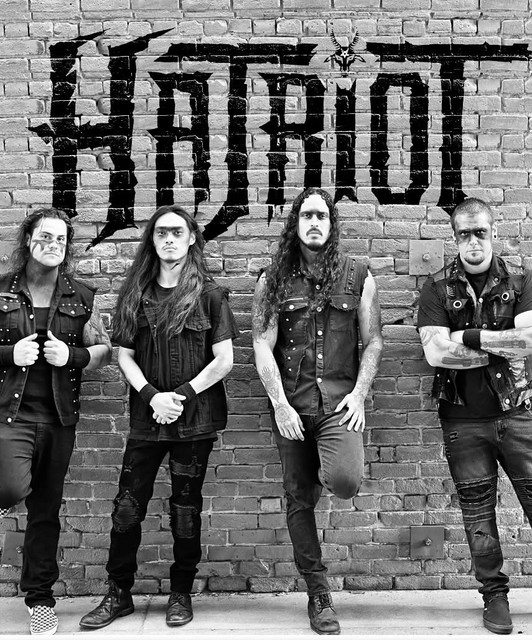
For California metal bands watching this development, the implications are significant. The success of this partnership could establish a new template for how bands approach member recruitment, potentially opening doors for smaller acts to access similar corporate resources. Local best metal bands like Hatriot and other established California metal scene veterans might find themselves considering similar partnerships as the industry continues its rapid transformation.
The collaboration also highlights how equipment manufacturers are expanding their role beyond retail, becoming active participants in the creative process itself. This evolution mirrors broader trends in the music industry where traditional boundaries between different business sectors continue to blur.
Mastodon's Brent Hinds Delivers Final Performance on Marcus King's "Red Door"
In a more somber but equally significant development, one of Brent Hinds' final recorded guitar solos has been released posthumously on Marcus King's track "Red Door." The collaboration, which reportedly required 278 takes to achieve the desired result, showcases the meticulous perfectionism that defined Hinds' approach to his craft throughout Mastodon's legendary career.
Studio photographs documenting the recording sessions reveal the intensive process behind what would become one of the guitarist's last creative statements. The cross-genre collaboration between the Mastodon axeman and the blues-rock virtuoso King demonstrates the artistic fearlessness that characterized both musicians' approaches to their respective crafts.
This posthumous release raises important questions about artistic legacy in the digital age. As recording technology enables musicians to leave behind vast archives of unfinished work, the music industry must navigate complex decisions about how and when to share these final creative expressions with the world.
For guitarists throughout California's metal community, Hinds' dedication to perfection serves as both inspiration and challenge. The 278-take commitment to achieving the perfect solo exemplifies the work ethic that separated truly great musicians from merely competent ones, setting a standard that continues to influence players across genre boundaries.
Industry Evolution Accelerates Across Multiple Fronts
Beyond these headline-grabbing developments, the metal industry is experiencing transformation on multiple levels. International touring announcements continue accelerating, with European packages featuring extreme metal acts like Mental Cruelty and Ov Sulfur demonstrating the global appetite for heavy music remains robust despite economic uncertainties.
Australian acts are also making waves, with nu-metalcore band Headwreck signing to EMPIRE, a label traditionally focused on hip-hop and pop. This crossover signing suggests that genre boundaries are becoming increasingly irrelevant to major labels seeking innovative artists who can reach diverse audiences.
The resurgence of nu-metal influences appears particularly significant for California's metal scene, where the style originated and achieved its greatest commercial success. Bands incorporating these elements are finding receptive audiences both domestically and internationally, suggesting that the cyclical nature of metal trends continues to favor regions with strong historical connections to specific subgenres.
California's Role in Industry Innovation
These developments underscore California's continuing influence on metal industry evolution. From the corporate partnerships being pioneered by established acts to the cross-genre collaborations pushing creative boundaries, many of these trends either originated in California or find their most receptive audiences within the state's diverse metal community.
The California metal scene has always been characterized by willingness to embrace innovation while respecting tradition. Current industry changes reflect this balance, with veteran acts adopting cutting-edge recruitment strategies while younger musicians explore genre-blending approaches that honor their influences while charting new territory.
Local venues and promoters are adapting to these trends by creating more diverse lineups that reflect metal's expanding boundaries. The success of these experimental approaches is encouraging other regions to adopt similar strategies, positioning California as a testing ground for industry-wide changes.
Looking Ahead: Lessons for Local Artists
For new metal bands 2026 emerging from California's fertile creative soil, these industry developments offer valuable lessons about adaptation and innovation. The Skid Row-Sweetwater partnership demonstrates how thinking beyond traditional approaches can yield unexpected opportunities, while the Hinds collaboration reminds artists that creative excellence remains the ultimate currency regardless of industry changes.
Emerging acts should consider how corporate partnerships might benefit their recruitment needs while maintaining artistic integrity. Similarly, the cross-genre collaboration trend suggests that musicians willing to explore beyond their comfort zones may find the most rewarding creative opportunities.
The industry's increasing comfort with posthumous releases also highlights the importance of documenting creative work thoroughly. As recording costs decrease and home studio capabilities expand, artists have unprecedented opportunities to preserve their musical ideas for future development or release.
These trends collectively suggest that 2026 may be remembered as a pivotal year when the metal industry fully embraced new operational models while maintaining its commitment to artistic excellence. For California bands positioned at the center of these changes, the opportunities for growth and innovation appear limitless.
As the year progresses, monitoring how these developments influence local scene dynamics will provide valuable insights into metal's future direction. The intersection of corporate partnership strategies and artistic collaboration models may well define how the next generation of metal musicians approaches their careers and creative relationships.