Judas Priest Promises Traditional Metal Return While Hardcore Legends and Grunge Icons Shape 2025's Underground Renaissance
The metal world is buzzing with anticipation as legendary Birmingham titans Judas Priest signal a return to their traditional roots, while underground innovators and grunge survivors simultaneously push boundaries in unexpected directions. This convergence of classic metal craftsmanship and experimental artistry perfectly encapsulates the current state of heavy music—where reverence for the past meets fearless exploration of new sonic territories.
Judas Priest's Traditional Metal Renaissance
Ian Hill's recent revelations about Judas Priest's upcoming album have sent shockwaves through the metal community. The bassist's confirmation that the band has completed backing tracks for their follow-up to 2024's "Invincible Shield" comes with particularly intriguing details about their creative direction. Hill's description of the new material as "a little bit more traditional" than their recent output suggests a deliberate return to the fundamental elements that made Judas Priest one of the best metal bands of all time.
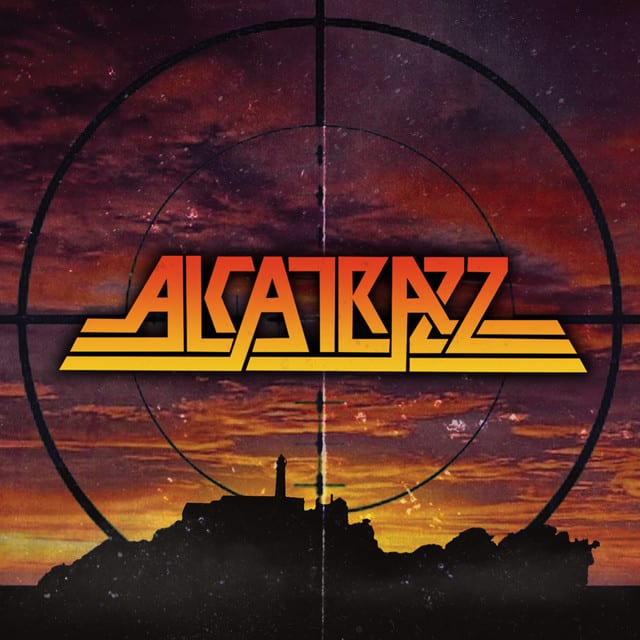
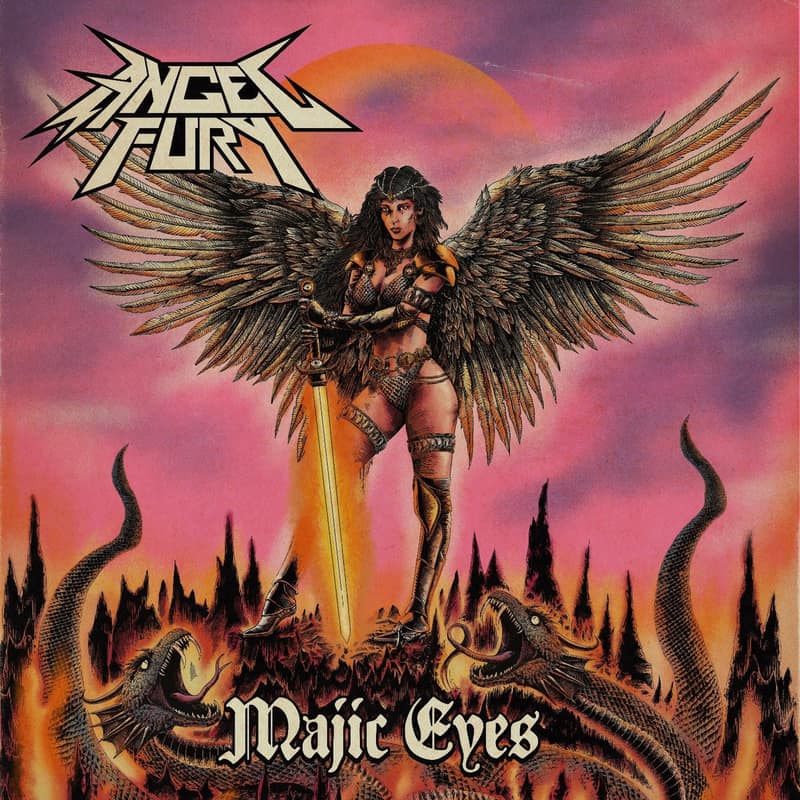
This strategic shift toward traditionalism couldn't come at a more perfect time for the metal scene. As newer acts continue pushing genre boundaries—sometimes to the point of losing their metallic essence—Priest's decision to revisit their core sound represents a masterclass in artistic confidence. The band's influence on California's metal landscape cannot be overstated, particularly among the state's thriving NWOTHM scene where acts like Alcatrazz and Angel Fury carry forward the classic heavy metal torch with unwavering dedication.
Hill's description of the album as potentially being "a great classic" LP speaks to Priest's understanding of their own legacy. Rather than chasing trends or attempting to recapture their youth, they're leveraging their decades of experience to craft something that honors their foundational contributions to heavy metal while acknowledging their evolution as musicians and songwriters.
Hardcore Innovation Meets Jazz Exploration
While Priest moves toward tradition, Bad Brains' Darryl Jenifer is charting completely different waters with his upcoming instrumental album "The Weather Channel." Jenifer's exploration of jazz, fusion, dub, and psychedelia represents the kind of fearless artistic experimentation that has always defined the most compelling figures in heavy music. His willingness to completely abandon vocal-driven hardcore in favor of instrumental exploration demonstrates the creative restlessness that keeps veteran musicians relevant decades into their careers.
This instrumental approach resonates strongly within California's diverse metal ecosystem, where boundary-pushing acts regularly incorporate elements from across the musical spectrum. The state's avant-garde metal scene, represented by bands like Vin, has long embraced the kind of genre-fluid thinking that Jenifer is now exploring on a grand scale.
Jenifer's pivot also highlights the importance of side projects and solo ventures in maintaining artistic vitality. California's metal musicians have long understood this principle, with many using secondary projects to explore sounds that wouldn't fit within their primary bands' frameworks. This creative compartmentalization allows artists to honor their established identities while pursuing new musical territories.
Soundgarden's Posthumous Legacy Project
Perhaps the most emotionally charged development comes from Kim Thayil's updates regarding Soundgarden's posthumous album featuring Chris Cornell's final recordings. Thayil's description of the project as "very, very important to all of us" underscores the delicate balance between honoring a departed bandmate's artistic vision and creating something that stands as a worthy addition to an already legendary catalog.
The careful, methodical approach Soundgarden is taking with this material reflects a deeper understanding of legacy and artistic responsibility. Rather than rushing to capitalize on emotional momentum, the band is treating Cornell's final contributions with the reverence they deserve. This patience and dedication to quality over quantity sets an important precedent for how posthumous releases should be handled in the metal community.
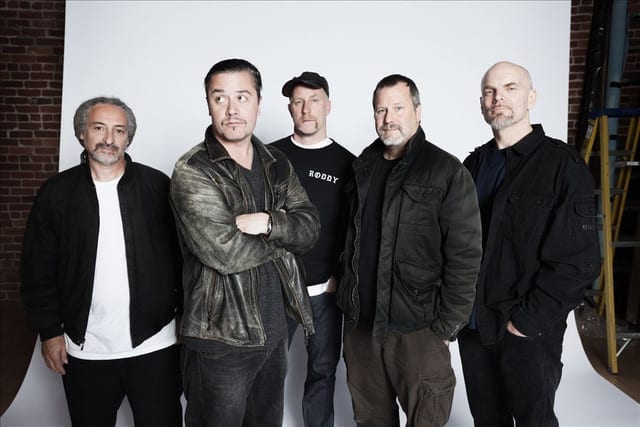
California's grunge and alternative metal scenes, which experienced their own tragic losses over the years, can draw inspiration from Soundgarden's approach. The state's alternative metal pioneers, including acts like Faith No More, have long understood that true artistic legacy transcends individual albums or songs—it's about maintaining creative integrity across decades of musical evolution.
The Creative Compulsion Philosophy
Devin Townsend's recent comments about following creative compulsions wherever they lead provide crucial insight into the mindset that separates truly innovative artists from those who simply follow formulas. Townsend's approach—prioritizing heart over commercial considerations—represents the kind of artistic fearlessness that has always defined the best heavy metal songs throughout the genre's history.
This philosophy resonates particularly strongly within California's metal community, where geographic diversity and cultural cross-pollination create endless opportunities for creative exploration. From the doom-laden corridors of San Francisco to the technical death metal laboratories of Los Angeles, the state's metal musicians have consistently embraced the kind of creative risk-taking that Townsend advocates.
The concept of following creative compulsions also speaks to the importance of authenticity in heavy music. California bands like Sleep and Saint Vitus built their reputations by pursuing their artistic visions with single-minded dedication, regardless of commercial trends or industry expectations.
Underground Momentum and Future Directions
The convergence of these developments—Priest's traditional approach, Jenifer's experimental jazz exploration, Soundgarden's careful legacy work, and Townsend's compulsion-driven creativity—paints a picture of a metal scene that's simultaneously looking backward and forward. This dual perspective creates exciting possibilities for both established acts and emerging artists.
For California's new metal bands 2026 roster, these examples provide multiple templates for artistic development. Young bands can choose to honor traditional metal foundations, explore genre-blending experimentation, or find their own balance between reverence and innovation. The diversity of approaches being demonstrated by these veteran acts creates space for multiple creative philosophies to coexist and thrive.
The underground scenes that produced many of these artistic breakthroughs continue flourishing across California's major metropolitan areas. From the sludge-drenched venues of Los Angeles where acts like 16 perfect their crushing sound, to the black metal sanctuaries where Murder crafts their dark anthems, the state's metal infrastructure supports both traditional craftsmanship and radical experimentation.
The California Connection
As these international metal developments unfold, California's metal scene stands ready to benefit from the creative energy they're generating. The state's position as both a tourism destination and cultural trendsetter means that innovations happening elsewhere in the metal world quickly find their way into local scenes, where they're filtered through California's unique cultural lens and transformed into something distinctly regional.
The traditional metal revival that Judas Priest is championing aligns perfectly with California's robust NWOTHM scene, while the experimental approaches being pursued by artists like Jenifer and Townsend complement the state's long history of genre-defying innovation. This convergence of influences creates an ideal environment for both 80s metal bands looking to reclaim their relevance and contemporary acts seeking to establish their own identities.
Looking ahead to the metal bands touring 2026 season, California venues can expect increased interest from acts exploring both traditional and experimental approaches. The state's diverse audience base and world-class venue infrastructure make it an ideal testing ground for new material, whether that material represents a return to classic metal fundamentals or a leap into uncharted sonic territories.
As the year progresses, the intersection of legacy craftsmanship and creative experimentation will continue defining the metal landscape. California's metal community, with its deep appreciation for both tradition and innovation, stands perfectly positioned to benefit from this artistic renaissance. Whether through upcoming shows featuring touring legends or local acts inspired by these developments, the Golden State's metal scene remains at the forefront of heavy music's ongoing evolution.