Queens of the Stone Age Reunites with Nick Oliveri as Desert Rock Revival Meets Festival Safety Concerns
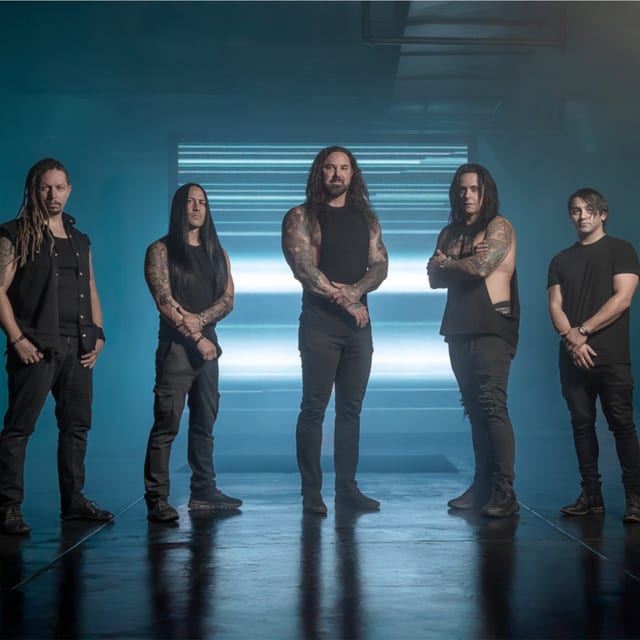
The desert rock scene experienced a seismic moment this week when Nick Oliveri stepped back onto the stage with Queens of the Stone Age for the first time in over a decade, marking a reconciliation that many fans thought would never happen. The reunion performance highlighted the enduring power of California's stoner rock legacy while the broader metal community grappled with festival safety concerns and unexpected collaborations across genre boundaries.
Desert Rock Royalty Returns
Oliveri's return to the QOTSA stage represents more than just nostalgia—it signals a potential renaissance for the desert rock sound that emerged from California's Coachella Valley in the 1990s. The bassist's tumultuous relationship with the band following his departure had become the stuff of rock mythology, making this reunion all the more significant for fans who witnessed the birth of what many consider the definitive stoner rock era.
The performance comes at a time when California's desert rock scene is experiencing renewed interest from younger audiences discovering the hypnotic, groove-heavy sound that bands like Kyuss pioneered. This revival has implications for the state's current crop of stoner and doom metal acts, including established names like High on Fire and Acid King, who continue to push the boundaries of heavy, psychedelic music.
Festival Culture Under Scrutiny
While California metal fans celebrated the QOTSA reunion, the broader heavy music community faced sobering reminders about festival safety and crowd behavior. Recent incidents at major festivals have prompted serious discussions about the responsibility of promoters, venue operators, and attendees themselves in maintaining safe environments for live music.
The conversation extends beyond physical safety to encompass the cultural dynamics that have long defined heavy music gatherings. Veteran hardcore and metal musicians have begun speaking out against aggressive crowd behaviors that cross the line from energetic participation to dangerous misconduct. These discussions are particularly relevant for California's diverse metal scene, which hosts everything from intimate club shows to massive outdoor festivals.
Local promoters and venue operators are taking note, with many implementing enhanced safety protocols and crowd management strategies. The challenge lies in preserving the authentic energy that makes metal and punk shows special while ensuring everyone can enjoy the experience safely.
Legacy Acts Navigate Creative Renewal
The current metal landscape showcases fascinating examples of veteran artists finding new creative directions after periods of uncertainty. Several high-profile musicians are returning to their craft after extended breaks, bringing fresh perspectives shaped by personal experiences and industry changes.
This trend toward creative renewal extends beyond individual artists to entire genres experiencing resurgence. The popularity of bands exploring themes of healing and personal transformation reflects broader cultural conversations about mental health and recovery. California's metal scene has always been receptive to these explorations, with bands across the spectrum addressing complex emotional territories through heavy music.
The state's technical death metal scene, featuring bands like The Zenith Passage and Brain Drill, continues to push instrumental boundaries while newer acts explore how extreme music can serve as a vehicle for processing trauma and growth.
Cross-Genre Collaborations Reshape Metal Boundaries
The metal world has witnessed several unexpected collaborative moments recently, with artists from different subgenres and even entirely different musical styles sharing stages and studios. These partnerships reflect the increasingly fluid boundaries within heavy music and the willingness of established acts to experiment with their sound.
California has long been a breeding ground for such genre-blending creativity, from the early crossover thrash scene to the nu-metal explosion of the late 1990s. Today's collaborative spirit manifests differently, with artists approaching partnerships as opportunities for artistic growth rather than commercial exploitation.
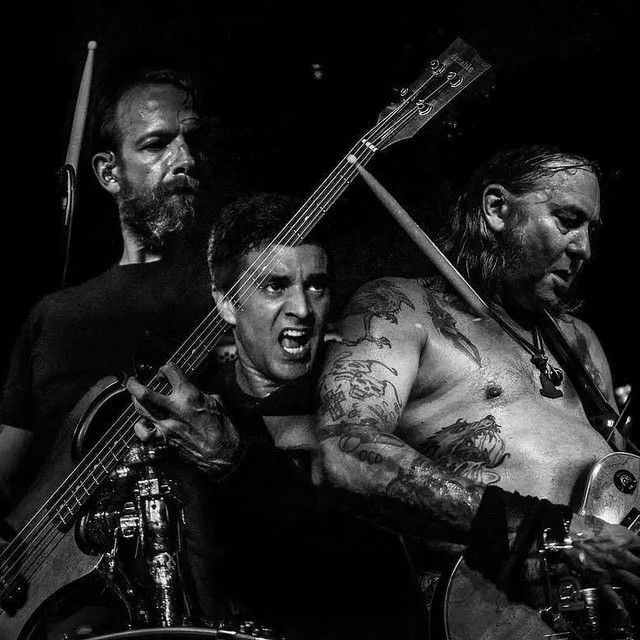
The state's metalcore and deathcore scenes have been particularly active in fostering these cross-pollinations, with bands like As I Lay Dying and Spite continuing to influence emerging acts who draw inspiration from multiple heavy music traditions.
Film and Visual Media Expand Metal's Reach
The relationship between heavy music and visual media continues to evolve, with established bands exploring cinematic projects as extensions of their artistic vision. These multimedia ventures represent more than marketing exercises—they offer artists opportunities to tell stories and explore themes that complement their musical output.
California's entertainment industry connections provide unique advantages for metal bands interested in visual storytelling. The state's proximity to film production resources and creative talent pools allows for ambitious projects that might be challenging to execute elsewhere.
This trend toward multimedia expression reflects broader changes in how artists connect with audiences in the streaming age. Visual components have become increasingly important for maintaining fan engagement and attracting new listeners who discover music through video platforms.
International Perspectives Influence Local Scenes
The global metal community's interconnectedness means that developments in international scenes quickly influence local movements. Recent anniversary celebrations for influential albums have reminded fans of heavy music's rich history while inspiring contemporary artists to explore similar creative territories.
California's metal scene benefits from this global perspective, with local bands drawing inspiration from European extreme metal traditions, Scandinavian melodic approaches, and South American intensity. This cultural cross-pollination enriches the state's already diverse heavy music landscape.
The challenge for emerging California bands lies in honoring these international influences while developing distinctly regional sounds. The most successful acts manage to synthesize global metal traditions with the unique creative energy that has always characterized California's music scenes.
Industry Politics and Artist Integrity
Behind-the-scenes disputes within bands continue to highlight the business challenges facing metal artists, from financial disagreements to creative differences. These conflicts often reflect broader industry issues around fair compensation, creative control, and the pressures of constant touring.
California's metal scene, with its mix of established veterans and emerging talent, provides a laboratory for observing how these industry dynamics play out. The state's higher cost of living intensifies financial pressures while its competitive music market demands constant innovation and promotion.
Successful navigation of these challenges requires artists to balance creative integrity with business pragmatism—a skill that becomes increasingly important as the music industry continues its ongoing transformation. The most resilient acts develop sustainable approaches to touring, recording, and fan engagement that support long-term careers.
As California's metal scene moves forward, the week's developments underscore both the enduring power of the state's heavy music legacy and the ongoing evolution of what it means to be a metal band in 2026. From reunion performances that bridge generational divides to safety concerns that demand industry-wide attention, these stories reflect a community grappling with growth, change, and the fundamental question of how to preserve authenticity in an increasingly complex cultural landscape.