Rush's 2112 Suite Revival and California Venue Politics Signal New Era for Progressive Metal Heritage
The heavy music landscape experienced a seismic shift this week as legendary progressive rock icons Rush delivered their complete "2112" suite for the first time in nearly three decades, while California venues became battlegrounds over artist compensation and creative control. These developments reveal how established acts are reclaiming their most ambitious material while emerging artists fight for fair treatment in an increasingly corporate-dominated live music ecosystem.
Rush's Progressive Masterpiece Returns to Los Angeles
The Kia Forum in Los Angeles witnessed musical history as Rush performed their seven-part "2112" suite in its entirety during their "Fifty Something Tour" stop. This marked the first time in nearly 30 years that fans heard rarely-performed segments like "Part III: Discovery" and "Part V: Oracle" in a live setting. The decision to resurrect this complex, conceptual work demonstrates how veteran progressive acts are embracing their most challenging compositions rather than relying solely on radio hits.
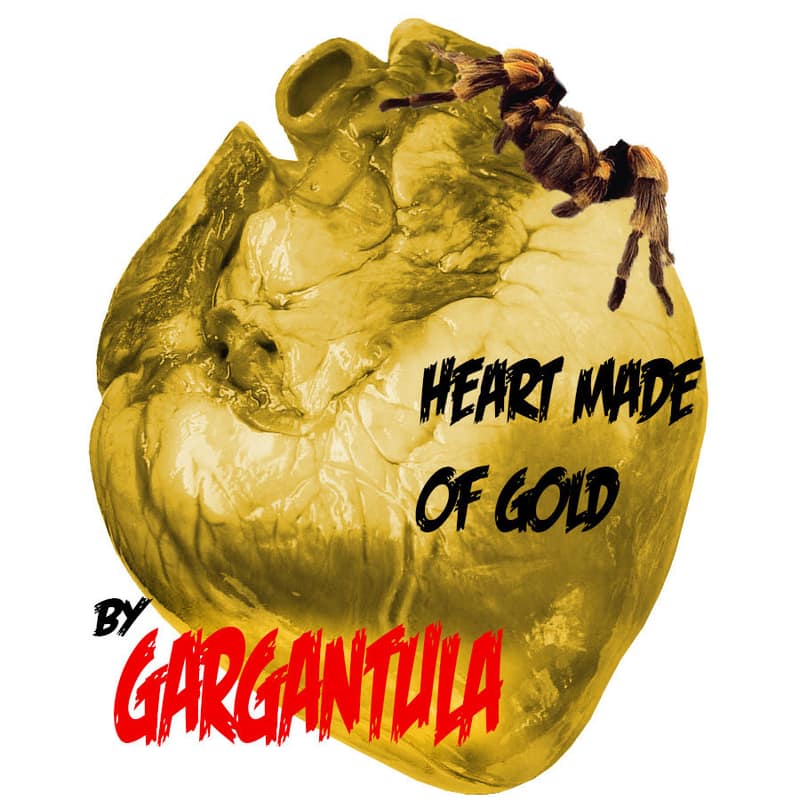
For California's progressive metal scene, Rush's bold programming choice sends a powerful message about artistic ambition. The complete "2112" performance spans over 20 minutes and demands exceptional musicianship and audience attention—qualities that mirror the approach of local progressive metal artists like California progressive metal band Gargantula, who similarly craft extended compositions that challenge conventional song structures.
The "Fifty Something Tour" represents more than nostalgia; it's a statement about progressive music's enduring relevance. By choosing to perform their most structurally complex work rather than streamlined greatest hits, Rush validates the artistic vision that influenced generations of metal musicians. This approach particularly resonates in California, where the progressive metal scene has consistently pushed boundaries through technical proficiency and conceptual depth.
Venue Politics and Artist Rights Take Center Stage
While Rush commanded premium venue treatment, other artists faced stark reminders of the industry's financial realities. Recent touring incidents involving predatory venue fees and merchandise restrictions highlight growing tensions between artists and entertainment corporations. These conflicts disproportionately affect emerging bands who lack the negotiating power of established acts.
California venues have become particular flashpoints for these disputes, with artists increasingly vocal about unfair vendor fees and promotional restrictions. The situation reflects broader industry consolidation that has concentrated venue ownership among fewer corporate entities, often at the expense of artist revenues and fan experience.
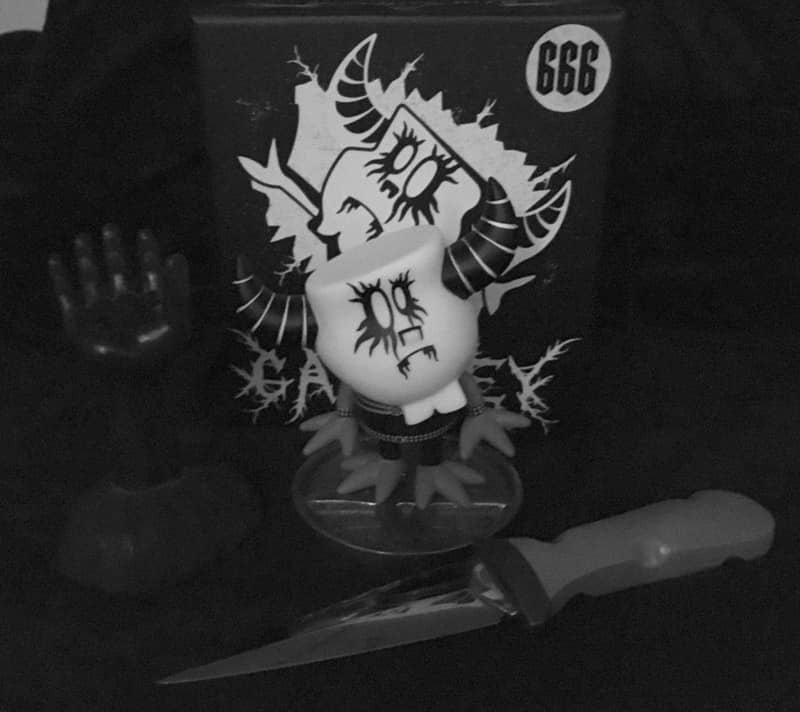
For developing metal acts across California, these venue politics create additional barriers to sustainable touring careers. Underground death metal bands like California technical death metal band Nematocyst must navigate increasingly complex venue requirements while maintaining affordable ticket prices for their dedicated fanbase.
The Observatory Santa Ana Showcases Extreme Metal's Visual Evolution
Santa Ana's Observatory recently hosted performances that demonstrated extreme metal's growing emphasis on visual presentation alongside musical brutality. The venue's reputation for supporting challenging underground acts makes it a crucial platform for bands pushing genre boundaries beyond traditional performance expectations.
California's extreme metal scene has consistently embraced multimedia approaches to live performance, recognizing that modern audiences expect immersive experiences rather than static stage presentations. This evolution parallels developments in the state's broader metal community, where visual artistry increasingly complements musical complexity.

The Observatory's programming choices reflect growing sophistication within extreme metal subgenres. Venues willing to support challenging acts provide essential platforms for artistic development, particularly for bands exploring the intersection of extreme music and contemporary performance art.
Stephen Pearcy's Artistic Philosophy Reflects Industry Tensions
RATT vocalist Stephen Pearcy's recent comments about keeping music separate from political and religious content illuminate ongoing debates about artist responsibility and audience expectations. His forthcoming solo album "The Dogg Mob" represents a return to purely musical concerns amid an increasingly polarized cultural landscape.
Pearcy's approach reflects pragmatic considerations facing California-based metal artists who must balance personal convictions with commercial viability. The state's diverse political landscape makes neutral positioning attractive for artists seeking broad appeal, though this strategy also draws criticism from fans expecting greater engagement with social issues.
This neutrality debate particularly affects California metal bands operating in communities with strong political identities. Artists must navigate expectations that they address local concerns while maintaining appeal across diverse demographic segments essential for touring success.
International Acts Signal Evolving Tour Strategies
Recent announcements from international metal acts reveal shifting approaches to global touring, with European artists particularly focused on selective regional appearances rather than comprehensive world tours. These strategic changes reflect economic realities that also impact California-based bands planning international expansion.
The emphasis on concentrated regional touring suggests that metal bands increasingly view sustained local presence as more valuable than brief multinational appearances. This approach benefits California metal scenes by encouraging longer artist residencies that build deeper fan connections and support local venue ecosystems.
For California metal bands considering international expansion, these touring models provide valuable templates for sustainable growth strategies. Rather than attempting immediate global presence, successful international expansion may require focused regional development followed by gradual geographic expansion.
Festival Lineup Changes Reflect Genre Diversification
Recent festival lineup adjustments demonstrate the metal community's ongoing genre diversification and the challenges facing event organizers balancing artistic vision with commercial demands. Band cancellations and additions reveal the complex negotiations required to maintain festival viability while satisfying diverse audience expectations.
California's festival scene has historically embraced genre diversity, recognizing that successful events require careful balance between established draws and emerging acts. This approach creates opportunities for local bands to reach new audiences while providing established acts with platforms for artistic experimentation.
The fluidity of festival lineups also reflects metal's ongoing evolution, as new subgenres emerge and established categories blend into hybrid forms. California's metal festivals serve as laboratories for these genre experiments, often introducing audiences to musical combinations that influence broader scene development.
Looking Forward: Progressive Heritage Meets Modern Innovation
Rush's willingness to perform their most challenging material alongside emerging artists' fights for fair venue treatment illustrates metal's ongoing tension between artistic ambition and commercial reality. California's metal scene continues serving as a testing ground for these competing priorities, with local venues and artists pioneering solutions that may influence broader industry practices.
The state's diverse metal community provides unique advantages for navigating these challenges, combining established infrastructure with experimental enthusiasm that encourages artistic risk-taking. As venue politics evolve and progressive metal gains renewed attention, California artists remain positioned to lead conversations about music's future directions.
For fans and artists alike, current developments suggest that metal's most exciting developments emerge from the intersection of historical appreciation and contemporary innovation. Whether through complete album performances or fights for fair artist treatment, the metal community continues demonstrating its commitment to artistic integrity over corporate convenience.