Megadeth's Metallica Covers and New Supergroup Formations Signal Thrash Metal's Collaborative Renaissance
The recent emergence of collaborative projects and unexpected cover performances is reshaping thrash metal's landscape, with California's own Megadeth leading a wave of artistic experimentation that's reverberating throughout the Golden State's metal underground.
Megadeth Breaks Tour Tradition with Metallica Tribute
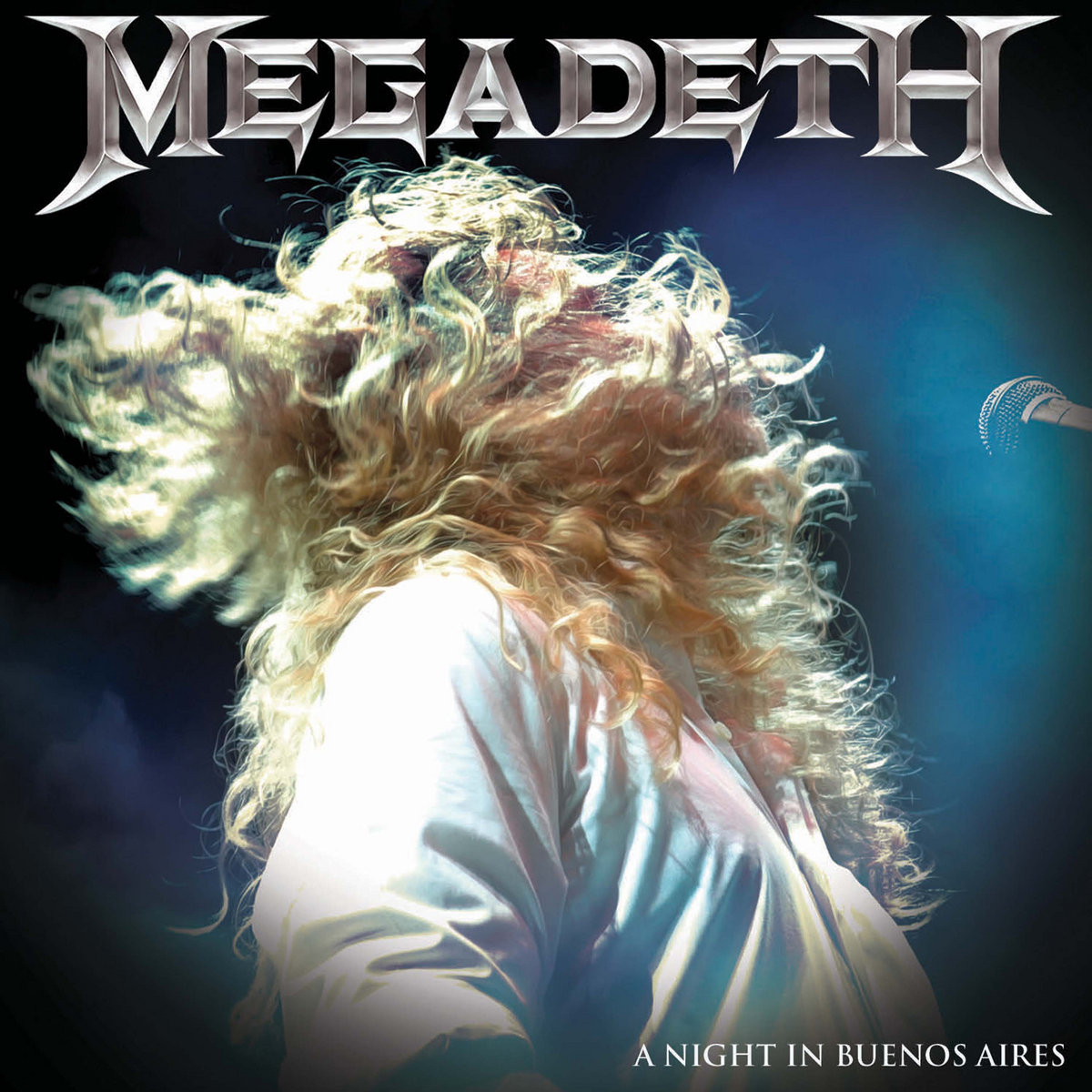
During their recent European tour supporting Iron Maiden, Megadeth delivered something fans never expected: a full performance of Metallica's "Ride the Lightning." The Hannover, Germany show marked a significant departure from Dave Mustaine's typically guarded relationship with his former bandmates' catalog. This wasn't just a casual nod—it was a deliberate artistic choice that signals a new phase of maturity in thrash metal's most storied rivalry.
The same performance featured the tour debut of "Take No Prisoners," demonstrating how best metal bands are balancing nostalgia with fresh material. For California metal fans, this represents more than just setlist curiosity—it's evidence that even the most established acts are willing to break their own rules when the moment demands it.
This collaborative spirit isn't emerging in a vacuum. As Mustaine prepares his upcoming memoir "In My Darkest Hour" for a 2026 release, the timing suggests a broader reconciliation with his past that could influence how other California metal acts approach their own legacies.
Supergroup Culture Explodes with Single Print Index
The formation of Single Print Index, featuring members from Code Orange and Pain Clinic, represents a new model for how metal musicians are approaching creative partnerships in 2026. Their debut single "Recover The Mindset" arrives at a moment when traditional band structures are being questioned across the California metal scene.
This supergroup approach differs significantly from the solo projects and side bands that dominated metal's collaborative landscape in previous decades. Instead of musicians stepping away from their primary commitments, we're seeing integrated creative partnerships where artists maintain their original affiliations while exploring new sonic territories.
For California's underground metal community, this model offers practical advantages. Rising production costs and touring challenges have made traditional band formation increasingly difficult for new metal bands 2026. The supergroup model allows established musicians to share resources while giving emerging artists access to experienced creative networks.
California's Death Metal Response
The recent Peeling Flesh performance at The Observatory in Santa Ana demonstrates how California's extreme metal venues are adapting to support both established acts and emerging collaborative projects. The Observatory's continued commitment to death metal programming creates a crucial pipeline for bands following the supergroup model.
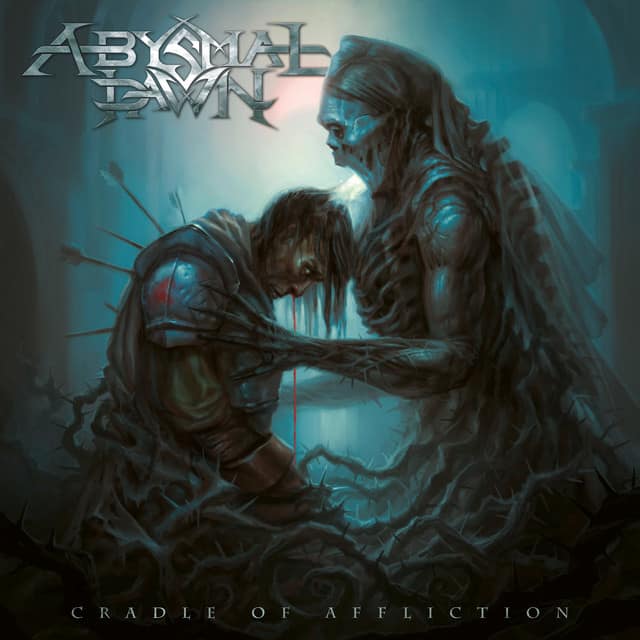
California death metal acts like Abysmal Dawn and Carnifex have long understood the value of collaborative approaches, regularly featuring guest musicians and cross-pollinating with other extreme metal subgenres. The success of these partnerships has created a template that newer formations are now following.
This collaborative renaissance extends beyond just musical partnerships. California venues are increasingly programming nights that feature multiple related projects, allowing fans to experience different facets of the same creative ecosystem in a single evening.
Legacy Acts Navigate Modern Realities
The announcement that Godsmack will continue creating music without any original members highlights the complex relationship between band identity and creative continuity. While Sully Erna's decision sparked controversy, it reflects broader questions about how 80s metal bands and their successors maintain relevance while honoring their origins.
Similarly, Mötley Crüe's decision to bring "The Dirt" biopic to Regal Cinemas for a special theatrical event demonstrates how established acts are finding new ways to monetize their catalog while creating communal experiences for fans. This approach could provide a blueprint for California metal acts looking to expand beyond traditional album-tour cycles.
The success of anniversary projects like Staind's live recording of "Break the Cycle" suggests that fans are hungry for reimagined versions of classic material. This trend aligns perfectly with the collaborative spirit driving current scene developments, as it encourages musicians to revisit their work through new perspectives.
Venue Politics and Performance Innovation
Rush's multi-night run at the Kia Forum represents more than just successful touring—it demonstrates how major California venues are adapting their booking strategies to accommodate both heritage acts and the collaborative projects they inspire. The success of these extended residencies has created opportunities for metal bands touring 2026 to experiment with deeper, more varied setlists.
For California's metal community, these venue developments are particularly significant. The state's complex live music regulations and high production costs have historically favored larger, more established acts. However, the collaborative model emerging from projects like Single Print Index offers a pathway for smaller acts to access these premium venues through strategic partnerships.
Looking Forward: The Collaborative Imperative
As the metal landscape continues evolving, California's scene is positioned to lead this collaborative renaissance. The state's concentration of talented musicians, world-class recording facilities, and forward-thinking venues creates an ideal environment for the kind of creative partnerships that are defining metal's current moment.
The challenge for emerging acts lies in distinguishing their collaborative efforts from the growing crowd of supergroups and side projects. Success will likely depend on creating genuine artistic statements rather than simple networking exercises. The most compelling collaborations will be those that couldn't exist any other way—projects where the partnership itself becomes the creative catalyst.
For fans following these developments, the collaborative renaissance promises a period of unprecedented creative diversity. As boundaries between bands, genres, and creative roles continue blurring, California's metal scene is becoming a laboratory for musical possibilities that would have been unimaginable even five years ago.
The intersection of veteran acts embracing new approaches and emerging musicians leveraging collaborative models suggests that we're witnessing more than just a trend—we're seeing the emergence of a new paradigm for how metal music gets created, performed, and experienced in the modern era.