Otep's Genre Leap, Mike Milford's Legacy, and the Battles for California Metal's Soul
Every so often the metal news cycle hands you a story that isn't about a tour date or a chart position, but about identity — who gets to change, who gets held accountable, and who we lose along the way. This week's headlines are exactly that kind of mixed bag, and California sits right in the middle of it, from a Bay Area icon plotting a genre pivot to a heartbreaking loss in the hardcore management world and a scene-wide reckoning over what actually flies at a show anymore.
Otep Isn't Done — She's Just Not Doing What You Expect
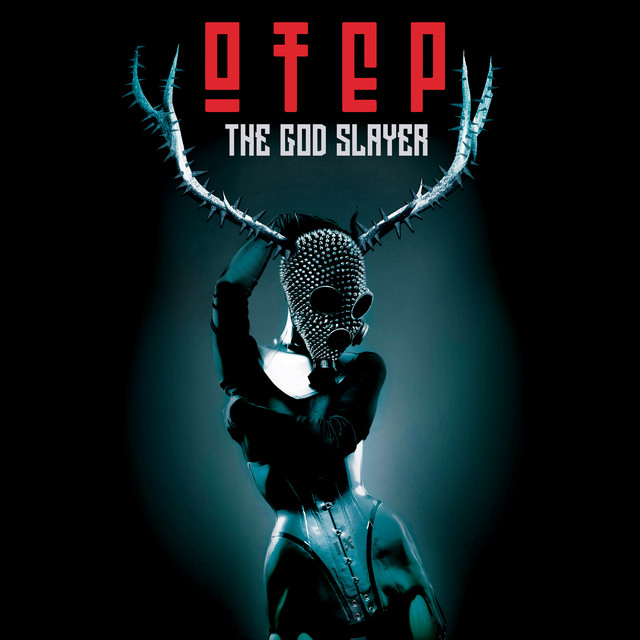
When Long Beach-born Otep announced her retirement in 2024, plenty of us assumed that was the final word on one of nu metal's most confrontational voices. Turns out the story isn't over, it's just changing shape. Otep Shamaya recently confirmed she has new music in the works, but in a different genre entirely than the aggressive, politically charged nu metal that made her a fixture of the California scene for two decades.

"Some will hate it, they want the girl who goes grrrr, others will love it, but I have to stay true to my self."
That quote is the whole story in a sentence. There's a long, complicated history of metal artists who get boxed into one sound by fans who want the same record over and over, and Otep's willingness to say the quiet part loud — that she'd rather risk alienating part of her audience than fake it — is exactly the kind of California independence that's defined this scene since the Bay Area thrash days. Whatever she puts out next, it won't be nu metal nostalgia bait, and honestly, that's more interesting than another reunion tour cash grab. We'll be watching closely for details as they surface.
Remembering Mike Milford
Not every story this week is about reinvention. Scars of Tomorrow vocalist Mike Milford has died following a battle with cancer, and the ripple effects of that loss go well beyond his own band's discography. Milford co-founded The Artery Foundation, the management agency that shaped the careers of bands like Attila and Chelsea Grin and helped define the business side of the metalcore and deathcore explosion of the 2010s. If you were a kid going to Vans Warped Tour stages or all-ages metalcore matinees anywhere on the West Coast during that era, chances are a band on that bill owed something to the infrastructure Milford helped build.
It's a reminder that the California metal scene — and the national scene it feeds into — isn't just riffs and merch tables. It's booking agents, managers, and behind-the-curtain builders who rarely get the tribute posts but absolutely deserve them. Rest easy, Mike.
Accountability, or the Lack of It
Two separate controversies bubbling through the underground this week both hinge on the same uncomfortable question: what happens when a band gets called out, and how do they respond? Southpaw FLHC issued a statement denying Nazi allegations tied to controversial merch, claiming ignorance of the imagery's meaning — a defense that's been trotted out before and rarely lands well with a scene that's spent decades trying to push hate symbols out of the pit. Meanwhile, Hoods frontman Mikey Hood has been denying transphobic allegations and addressing his 2020 support for Trump after the band's European and UK tour dates got pulled entirely.
Neither of these bands is from California, but the fallout matters here regardless, because California's hardcore and crust scenes — from the DIY basements that birthed acts like Bay Area crust mainstays to the current wave of politically-engaged hardcore punk — have historically prided themselves on drawing hard lines around this stuff. When a European tour gets axed over allegations like these, promoters everywhere start asking harder questions about who they book, and that scrutiny inevitably trickles down to regional shows too. It's worth remembering that California's crust punk scene, one of the most politically outspoken corners of the underground, has over 20 bands in circulation right now carrying that same ethos — bands like Haggus aren't shy about where they stand, and that transparency is exactly what's missing from both of these controversies.
Do You Suck for Spraying Perfume in the Pit?
On a lighter note, MetalSucks launched a new recurring column this week called "Do I Suck?", tackling the scene's most burning etiquette disputes — and the inaugural question is a genuine classic: is it acceptable to spray perfume in the middle of a mosh pit? It sounds like a joke question until you've actually been elbow-deep in a sweaty crust punk basement show or a packed deathcore matinee and someone next to you starts misting Chanel No. 5 like they're at a department store counter.
It's a silly premise on the surface, but pit etiquette is genuinely one of those unwritten-rule systems that every regional scene develops on its own, and California's all-ages hardcore and metalcore circuit has some of the strictest informal codes in the country — pick people up when they fall, no elbows to the face on purpose, and yes, probably don't spritz perfume into a wall of moving bodies. If you've got strong feelings about pit conduct, that's exactly the kind of debate that keeps upcoming shows interesting long after the last band loads out.
Legacy Acts Still Setting the Bar
Zooming out from California for a moment, it's worth noting how much of this week's news cycle is legacy artists reflecting on their own catalogs. Bruce Dickinson says his new solo album tied to "The Mandrake Project" will be "heavy as s***," Poison drummer Rikki Rockett is still proudly defending 1993's "Native Tongue" as an underrated entry in the 80s metal bands canon, and Savatage's Chris Caffery is processing what it was like performing with a full orchestra inside the actual Amphitheater of Pompeii. Rush's new touring drummer Anika Nilles is talking about stepping into Neil Peart's shoes, and Geddy Lee is telling reporters about feeling Peart's presence during a genuinely spooky bird encounter on opening night of the current tour.
None of these are California stories directly, but they matter to the conversation about what makes the best metal albums of all time and the best heavy metal songs still resonate decades later. There's a direct line from that 80s metal foundation to plenty of what's happening in California right now — the traditional heavy metal revival scene here, often filed under NWOTHM, owes an enormous debt to exactly this era, and it's a genre with nearly thirty active bands in this state's index that still hasn't gotten its due in metal press coverage. If you're in a heavy metal or NWOTHM band grinding it out in a California garage right now, this is your sign to submit your band and get on our radar.
Where This Leaves the California Scene
Between Otep charting a new creative path, the industry mourning Mike Milford, and two separate bands outside the state having to answer for their conduct on stage and online, this week is a reminder that the metal scene — California's included — is bigger than riffs and release dates. It's a community that's still figuring out how to balance reinvention with accountability, nostalgia with progress. As we look toward new metal bands 2026 and the wave of metal bands touring 2026 already lining up their routing, California's underground — from technical death metal upstarts to crust punk lifers — is still the proving ground where all of that gets sorted out in real time, one basement show and one perfume-scented pit at a time.