Davey Havok's 'Miss Murder' Confession Opens a Bigger Conversation About California's Legacy Bands
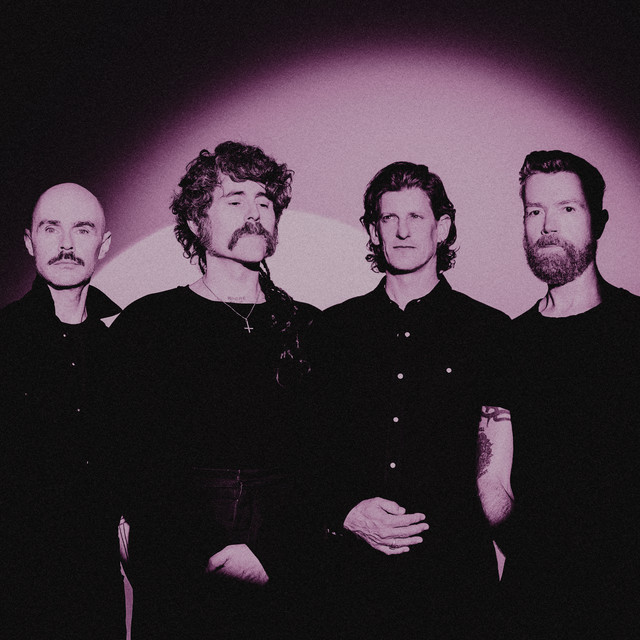
Every scene has its songs — the ones that get away from the band, take on a life of their own, and end up defining a legacy the musicians themselves might not have chosen. This week, AFI frontman Davey Havok gave one of the most candid admissions we've heard from a California artist in a long time, revealing that he actively campaigned to pull "Miss Murder" from the band's setlist — and recently succeeded. "It breaks my heart that 'Miss Murder' will always represent us," Havok said, a line that's going to resonate with a lot of longtime scene veterans who've watched their most accessible song eclipse decades of more interesting work.
It's worth sitting with that for a second, because it says something real about how legacy gets built versus how it's lived. AFI formed in Ukiah in the early '90s, clawed their way up through Bay Area basements and Gilman Street bills, and spent years mutating from hardcore punk into something stranger and more gothic before "Miss Murder" turned them into an MTV-era radio staple in 2006. That single is, by most measures, one of the better crossover moments in California punk history — but Havok's frustration highlights a tension that runs through this entire region's scene: the gap between the song that makes you famous and the body of work that actually represents who you are as artists. Anyone building a mental list of the best heavy metal songs or crossover anthems of the 2000s probably has "Miss Murder" on it somewhere. Anyone who's followed AFI since Answer That and Stay Fashionable knows that's only a sliver of the story.
The Burden of the Hit, California Edition
This isn't unique to AFI, and it's not new to California bands specifically, but the Golden State has produced an outsized share of acts wrestling with this exact problem. Bands here tend to come up through hardcore, punk, or extreme metal scenes with something to prove artistically, only to have a single accessible moment define them to the wider world forever. It's the reason legacy acts on tour so often get stuck performing the hits while burying the deeper cuts fans actually want to hear — and it's a useful lens for a lot of what's happening in the California metal scene right now.
Look at Geoff Tate, still out there in 2026 performing Queensrÿche's Operation: Mindcrime in full for what he says is the last time, describing himself as "emotionally drained after every concert." That album isn't a California record, but the phenomenon Tate is describing — an artist bound to a single work decades after creating it, unable to escape its gravity even when the performance costs something real — is the same emotional terrain Havok is navigating with "Miss Murder," just from the opposite angle. One artist is trying to retire the song people demand; the other feels obligated to keep resurrecting it. Both are grappling with what it means when your art outgrows your control over it.
The Kinison Return After Two Decades — On Their Own Terms
If Havok's comments are about reclaiming narrative control after the fact, Southern California's The Kinison are doing something almost inverse: returning to the stage after more than 21 years away with a December tour through their home turf, presumably with zero interest in being defined by anyone else's expectations. This is a band that never got the mainstream radio moment AFI did, which in a strange way gives them more freedom. There's no "Miss Murder" to escape. There's just the reunion itself, the chance to play for a scene that's changed dramatically since they last toured, and the opportunity to remind a new generation of SoCal heavy music fans what they were about in the first place.
Reunion tours are always a gamble — nostalgia can carry a band for one night, but it takes something more to make it feel vital rather than like a victory lap. Given the current appetite for legacy hardcore and post-hardcore acts across Southern California, from the Descendents' enduring influence to the current wave of bands rediscovering that era's DIY ethos, The Kinison's return lands at a good moment. If you're tracking metal bands touring 2026 across the region, this is one to circle, especially for anyone who came up on that specific corner of the early-2000s SoCal scene and never got a proper send-off the first time around.
80s Metal's Long Shadow Over California
The Havok/Tate dynamic also has an obvious parallel in the ongoing Sammy Hagar and Alex Van Halen situation, which continues to simmer this week with Hagar firing back after Alex called him a "complete idiot" in a recent interview. Van Halen is about as California as hard rock gets — Pasadena royalty, foundational to the entire West Coast rock lineage that eventually fed into the region's metal scene — and even decades later, the internal mythology of that band is still being fought over in public. It's a reminder that legacy isn't just about which songs survive; it's about who gets to control the story once the band itself has splintered.
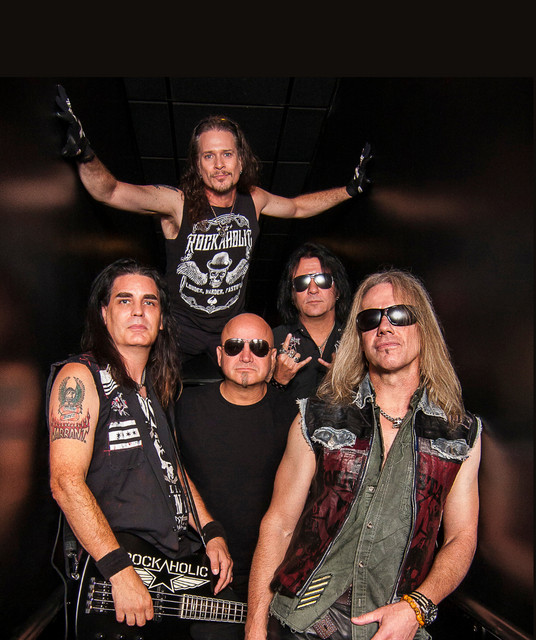
That tension between mythology and reality runs straight through California's 80s metal bands lineage more broadly. Glam-era survivors like Warrant and horror-theatrical veterans like Lizzy Borden both emerged from the same Sunset Strip ecosystem that Van Halen helped create, and both are still active proof that the state's hard rock and metal identity was never a monolith — it was always a collision of theatrical excess, punk aggression, and genuine songwriting chops fighting for space on the same bill. When people debate the best metal albums of all time, California's contribution rarely gets reduced to one genre, and that's exactly the point. This is a state that produced thrash pioneers, glam icons, gothic punks, and everything in between, often out of the same handful of clubs.
Where This Leaves the Current Scene
What ties Havok's confession, The Kinison's return, and the ongoing Van Halen drama together is a simple truth: legacy is complicated, and the bands actually living inside it rarely experience it the way fans do from the outside. For every act frozen in amber by one hit single, there's a scene underneath still grinding — new bands playing DIY shows, building followings one gig at a time, figuring out their own version of the balance between what gets you noticed and what actually represents you.
That's the story we try to track here every week, and it's why the underground matters as much as the headliners. If you're hunting for new metal bands 2026 has to offer out of California, that search should include the same regional ecosystem that produced AFI, The Kinison, Warrant, and Lizzy Borden in the first place — bands built in local scenes long before anyone outside the state knew their names. Check upcoming shows around the state this fall and winter, because between reunion tours like The Kinison's and the usual churn of club dates, there's more happening on any given weekend than the national outlets ever cover. And if you're in a band trying to build that same kind of legacy on your own terms — not somebody else's — you can submit your band and get on our radar directly.
Havok's honesty about "Miss Murder" isn't a complaint so much as a data point about how California music history actually gets written: messily, by committee, often against the artist's own wishes. The best metal bands and hardcore acts this state has produced have almost all had to make peace with that same equation at some point. The lucky ones get to keep playing anyway, on whatever terms they can negotiate.