Hardcore Purists Clash with Digital Age as Metal Giants Navigate Controversy and California Scene Embraces Raw Authenticity
The tension between hardcore's physical roots and the digital age has erupted into heated debate this week, with Speed's Jem Siow delivering a passionate manifesto about authentic underground culture while major metal acts navigate increasingly complex political and cultural waters. For California's diverse metal scene, these developments highlight the ongoing struggle between maintaining underground integrity and reaching wider audiences.
Hardcore's Digital Divide: Speed Champions Physical Connection
Speed vocalist Jem Siow has thrown down the gauntlet in the ongoing debate about hardcore's place in the digital world, declaring that the genre "isn't meant to exist in the comments section" and fundamentally opposes online existence. This stance resonates deeply within California's hardcore communities, where venues like Gilman Street and the Chain Reaction have built legendary reputations on the raw energy of physical connection between bands and audiences.
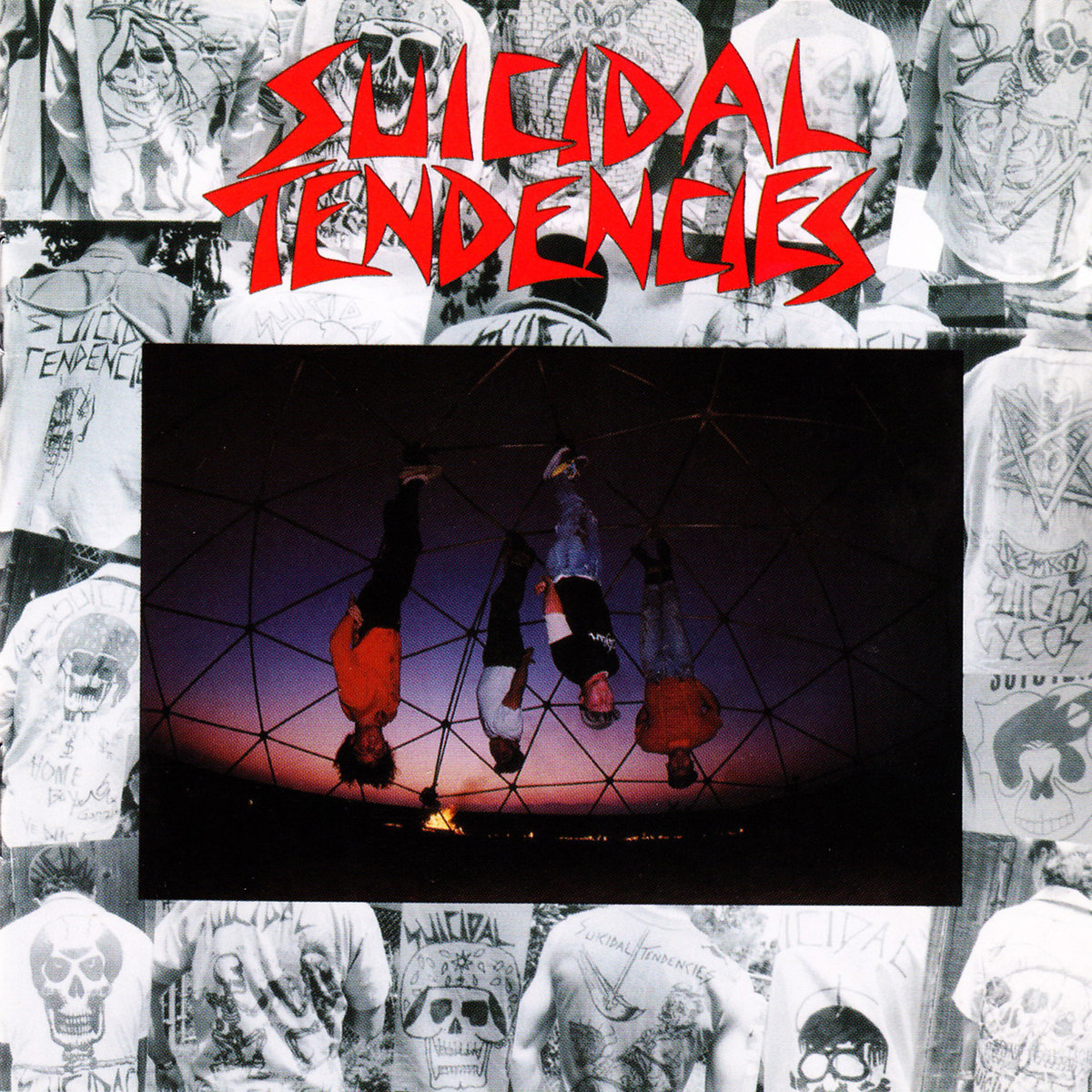
The debate reflects a broader tension within heavy music communities about authenticity versus accessibility. While streaming platforms and social media have democratized music discovery, many hardcore purists argue that the genre's confrontational nature and communal spirit cannot translate through screens. This philosophy aligns with California's hardcore heritage, where bands like Suicidal Tendencies and Ignite built their reputations through intense live performances and direct fan engagement.
For emerging California hardcore acts, this creates a challenging navigation between maintaining scene credibility and reaching new audiences. The state's diverse geography means bands often rely on digital promotion to connect disparate scenes from San Diego's punk enclaves to the Bay Area's crossover thrash community. Yet Siow's comments tap into genuine concerns about losing the visceral impact that defines hardcore's most powerful moments.
Political Controversy Rocks Nu-Metal Giants
David Draiman's recent political statements have sparked intense debate within metal communities, particularly regarding his comments about compassion for Palestinian people while supporting Israeli military actions. The Disturbed frontman's controversial signing of an Israeli Defense Force bomb, followed by attempts to clarify his position, illustrates the complex challenges facing metal musicians who engage with geopolitical issues.
This controversy highlights how metal's traditionally rebellious stance intersects with contemporary political realities. California's metal scene, known for its diversity and progressive politics, has watched similar debates unfold among its own bands. The state's large Jewish and Arab communities mean local metal acts often navigate these same complex cultural and political waters, seeking ways to express solidarity without alienating portions of their fanbase.
The incident also demonstrates how social media amplifies and complicates political statements from metal musicians. What might once have been private political views now become public controversies, forcing artists to either double down on positions or attempt damage control through follow-up statements that often satisfy neither critics nor supporters.
Hall of Fame Rejection Fuels Metal's Anti-Establishment Spirit
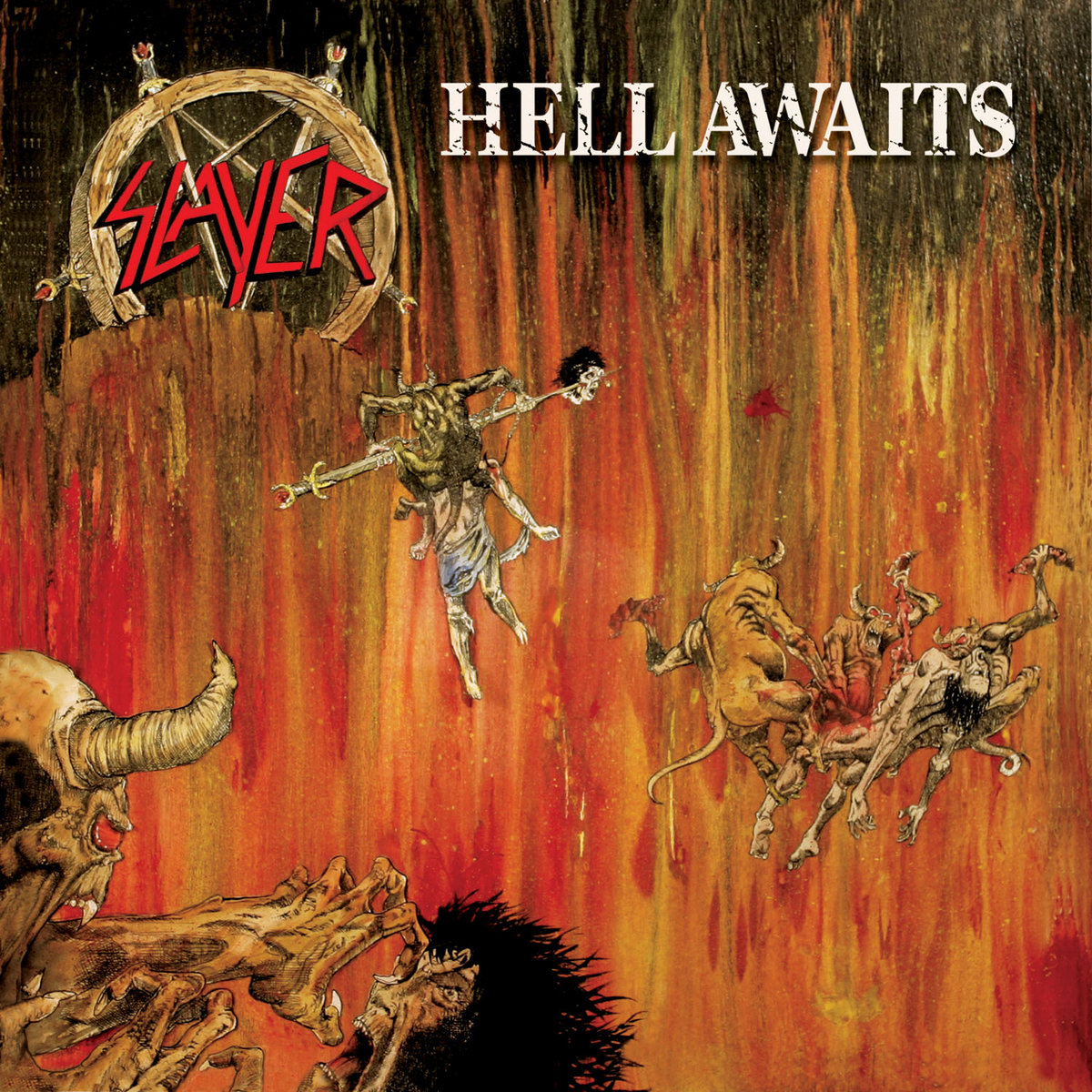
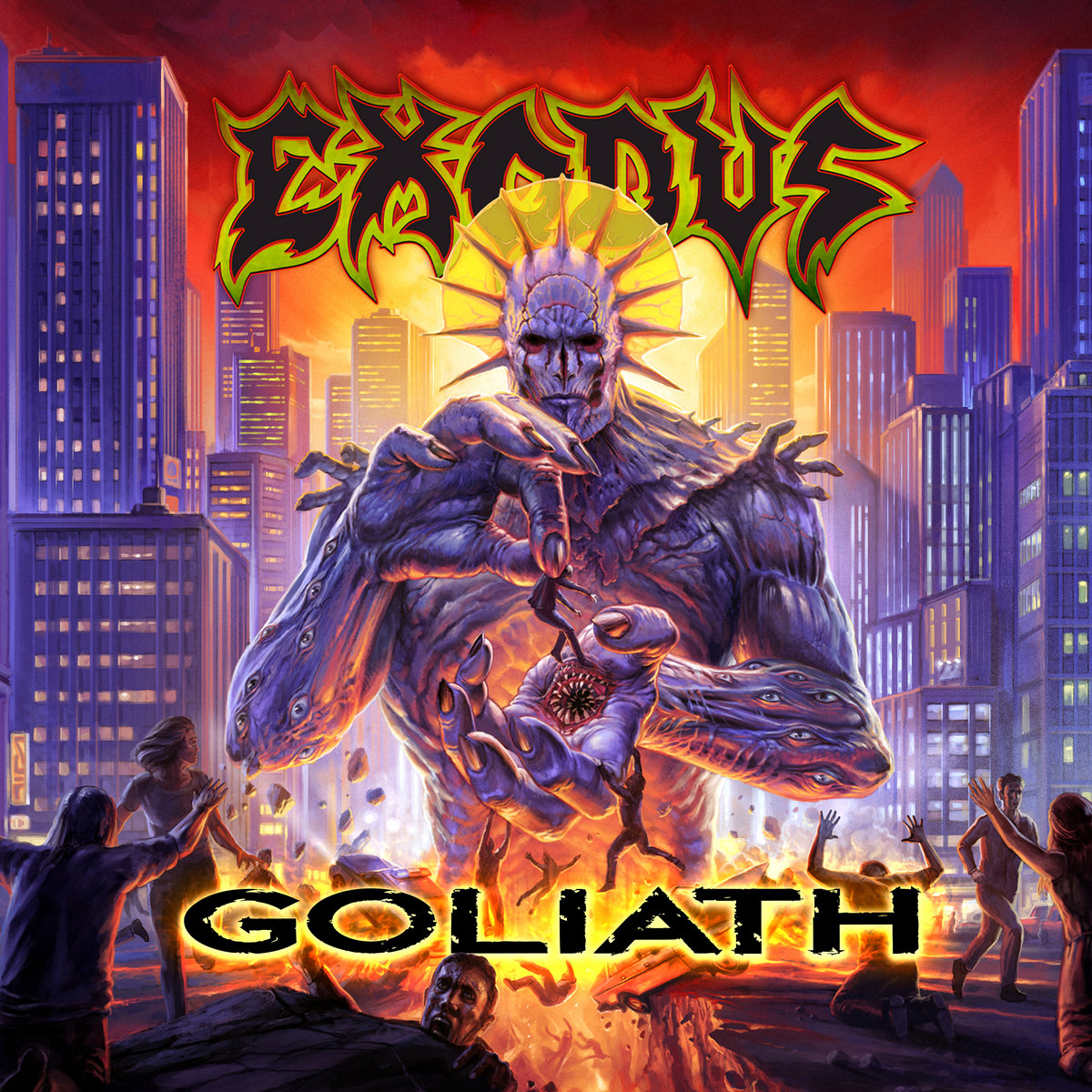
Gary Holt's dismissive comments about the Rock and Roll Hall of Fame being "fucking lame" have resonated throughout metal communities, particularly among California thrash veterans who remember when the genre received little mainstream recognition. The Exodus and Slayer guitarist's stance reflects widespread skepticism about establishment validation among metal musicians who built their careers outside mainstream acceptance.
Iron Maiden's decision to skip their Hall of Fame induction ceremony due to Australian tour commitments further emphasizes metal's prioritization of fan service over industry accolades. This approach resonates with California's metal ethos, where bands consistently choose touring and fan engagement over award shows and industry networking events.
The Hall of Fame controversy also highlights generational differences within metal communities. While newer acts might welcome mainstream recognition as validation for heavy music's cultural impact, veteran musicians often view such institutions as attempts to co-opt rebellious music for establishment purposes. California's metal scene, spanning decades of evolution from early punk and thrash through nu-metal and modern extreme metal, embodies these tensions between underground credibility and mainstream acceptance.
Legacy Acts Navigate Reunion Complexities
David Reece's expressed interest in performing Accept reunion shows for the band's 50th anniversary reflects the complex dynamics surrounding legacy metal acts and former members. The American vocalist's brief tenure with the German metal legends during the late 1980s represents one of many period-specific lineups that fans debate and former members seek to commemorate.
These reunion discussions highlight how metal's rich history creates opportunities for celebration while sometimes reopening old wounds. California's metal scene has witnessed numerous reunion attempts, from successful collaborations to awkward one-off performances that remind everyone why certain lineups ended. The key often lies in managing expectations and focusing on musical celebration rather than attempting to recapture past glory.
Lynch Mob's announcement of "The Final Ride" live album adds another layer to legacy conversations, as bands increasingly frame releases as farewell statements while leaving doors open for future activities. This approach allows veteran acts to create event-like album releases while maintaining flexibility for continued musical exploration.
Sports and Metal: Unlikely Cultural Crossovers
Korn's enthusiastic response to baseball pitcher Mason Miller's use of "Blind" as his walk-out song demonstrates metal's growing presence in mainstream sports culture. The band's decision to send Miller merchandise packages shows how metal acts can capitalize on unexpected cultural crossovers to reach new audiences beyond traditional rock and metal demographics.
This sports connection reflects metal's increasing acceptance in diverse cultural contexts. California's sports teams have long incorporated metal and punk tracks into game presentations, but individual athlete choices like Miller's represent more personal endorsements of heavy music. These moments create opportunities for bands to connect with athletes who grew up during metal's mainstream breakthrough periods and now have platforms to share their musical preferences.
The incident also illustrates how metal's motivational qualities translate effectively to competitive athletics. Songs like "Blind," with their aggressive energy and driving rhythms, provide psychological preparation that athletes increasingly recognize and utilize. This creates new avenues for metal bands to reach audiences who might not actively seek out heavy music but respond to its emotional impact.
California's Authentic Response
For California's metal and hardcore communities, these national conversations about authenticity, politics, and cultural acceptance reflect ongoing local debates about maintaining scene integrity while embracing growth opportunities. The state's metal scene has always balanced underground credibility with mainstream success, producing bands that achieve commercial recognition without abandoning their core communities.
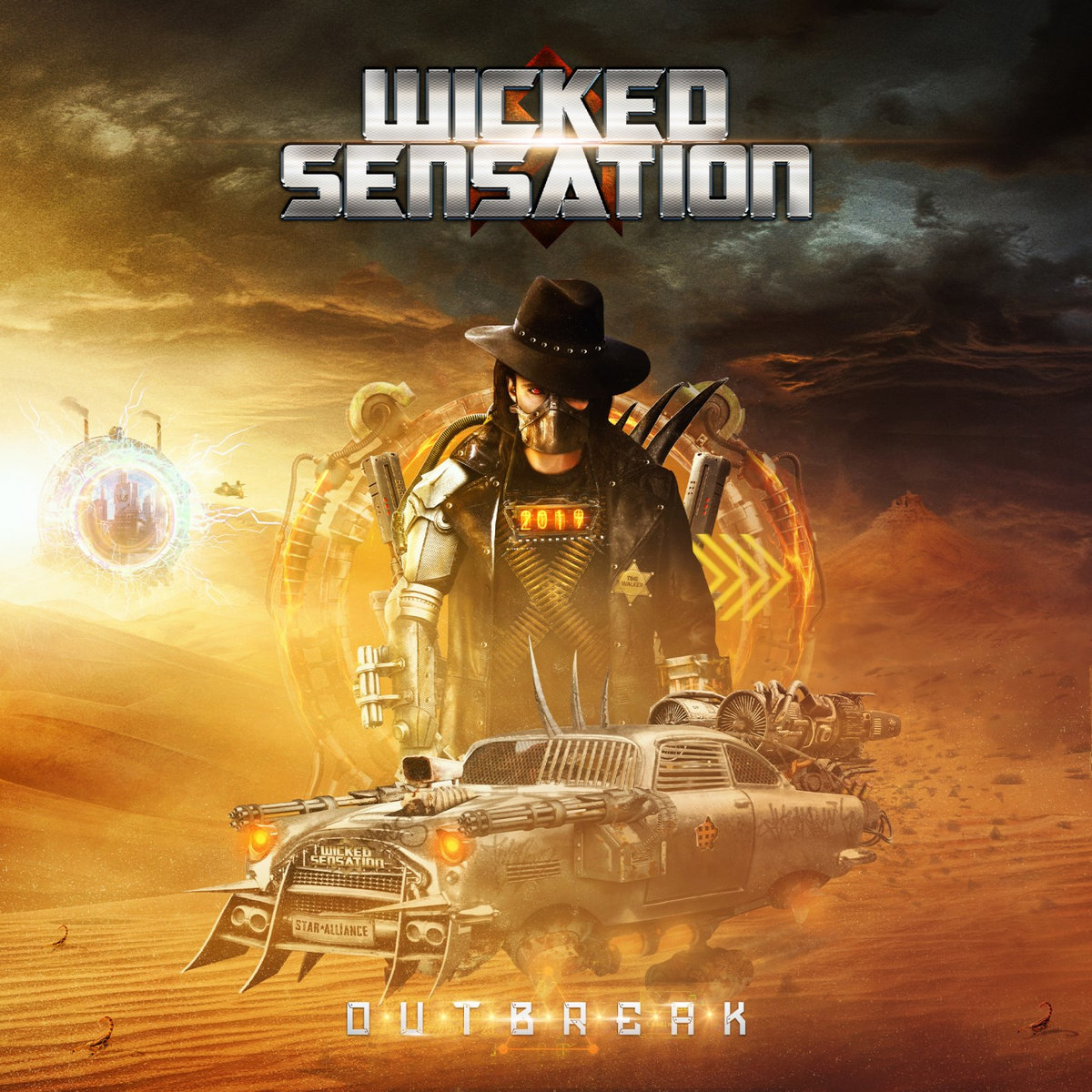
Wicked Sensation and other California heavy metal acts continue building authentic connections with fans through consistent touring and community engagement, while extreme metal bands like Hat maintain the underground ethos that Speed's Siow champions. This diversity allows California's scene to accommodate both approaches while fostering dialogue about metal's future directions.
The ongoing success of California's metal diversity suggests that authenticity and accessibility need not be mutually exclusive. Bands that maintain genuine connections with their core communities while exploring new platforms and audiences often achieve the most sustainable long-term success, creating models that metal scenes worldwide continue studying and adapting.