Testament's Thrash Titans Documentary and Genre Controversy Spark Bay Area Revival as Lineup Shifts Reshape Metal's Future

Bay Area thrash legends Testament have unleashed an official mini-documentary chronicling their Thrash of the Titans tour launch, while industry debates about lineup authenticity and artist exclusion from major festivals reveal deeper tensions shaping metal's evolution in 2026.
Testament's Documentary Vision Captures Thrash History in Motion
The Berkeley-born thrash titans have taken documentary filmmaking into their own hands, creating an intimate behind-the-scenes look at their massive touring collaboration with Overkill and Destruction. This marks a significant shift in how veteran metal acts document their legacy, moving beyond traditional concert footage to capture the strategic and emotional elements of major tours.
The mini-documentary approach represents Testament's understanding that modern metal fans crave authentic storytelling alongside the music. By controlling their own narrative through self-produced content, the band demonstrates how California metal veterans are adapting to digital-first fan engagement while maintaining their underground credibility.
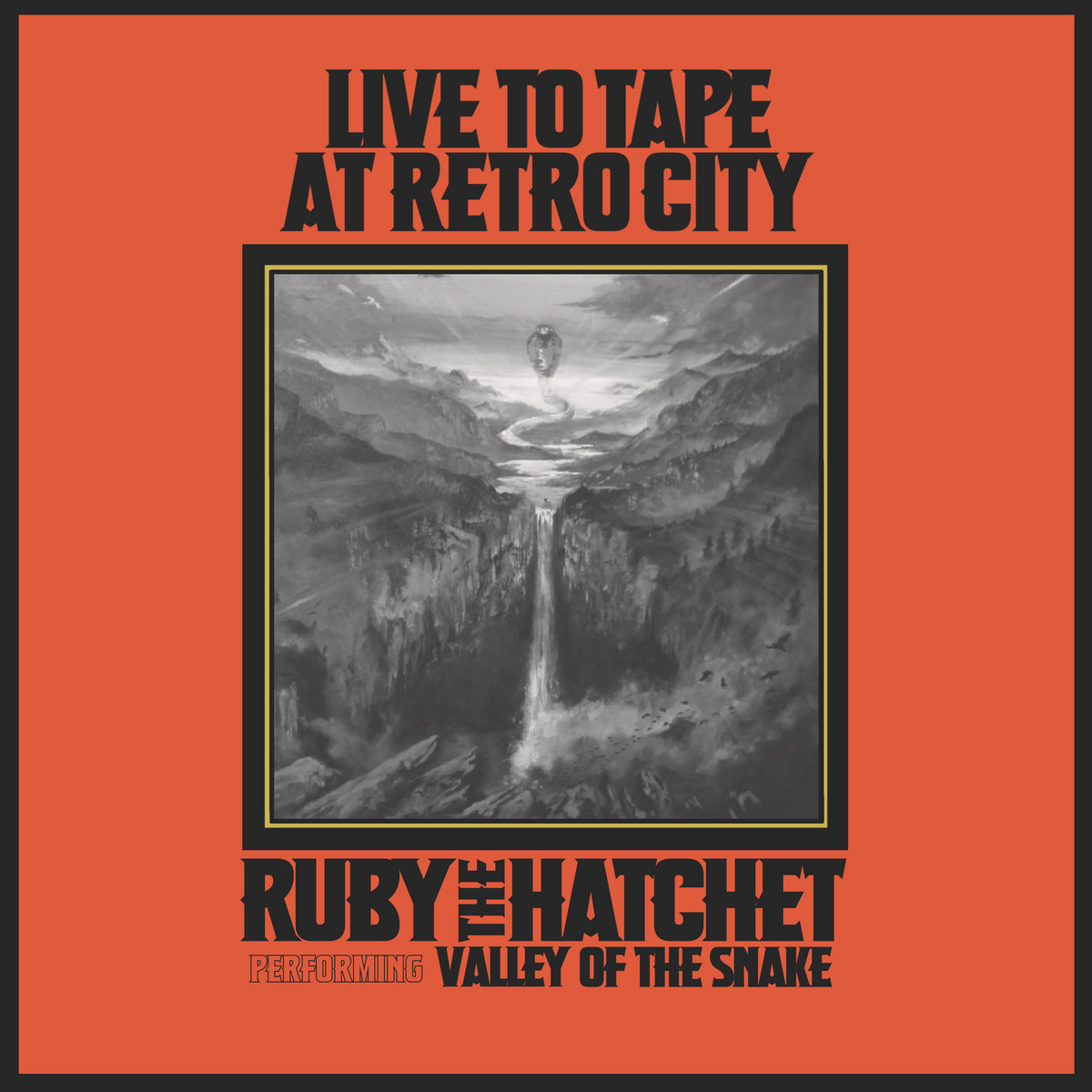
Testament's documentary strategy could influence how other California thrash acts approach fan connection. Bands like Death Angel, Hatchet, and Antix might find inspiration in this direct-to-fan documentation model as they plan their own touring campaigns.
Classic Lineup Controversy Ignites Authenticity Debates
Judas Priest guitarist Richie Faulkner's recent defense of bands touring without classic lineups has reignited passionate debates about authenticity versus evolution in metal. His straightforward "don't go if you don't want to see them" stance reflects growing industry frustration with purist gatekeeping that could stifle artistic growth and financial viability for aging acts.
This controversy particularly resonates in California's diverse metal ecosystem, where bands ranging from 80s metal bands like Armored Saint to newer acts face constant pressure to balance legacy expectations with creative evolution. The debate extends beyond personnel changes to fundamental questions about what defines a band's identity over decades of existence.

California's metal scene has always embraced transformation and experimentation, from Megadeth's multiple lineup iterations to the genre-blending approaches of bands like Nekrogoblikon. Faulkner's comments validate this evolutionary approach while challenging fans to focus on musical quality rather than nostalgia-driven personnel preferences.
Festival Politics and Artist Exclusion Shape Alternative Event Planning
Fred Durst's cryptic hints about organizing events for artists excluded from mainstream festivals signals potential seismic shifts in how metal and heavy music reaches audiences. His comments, sparked by Lil Wayne's Coachella exclusion, suggest growing industry recognition that major festivals may be failing both artists and fans through increasingly narrow booking strategies.
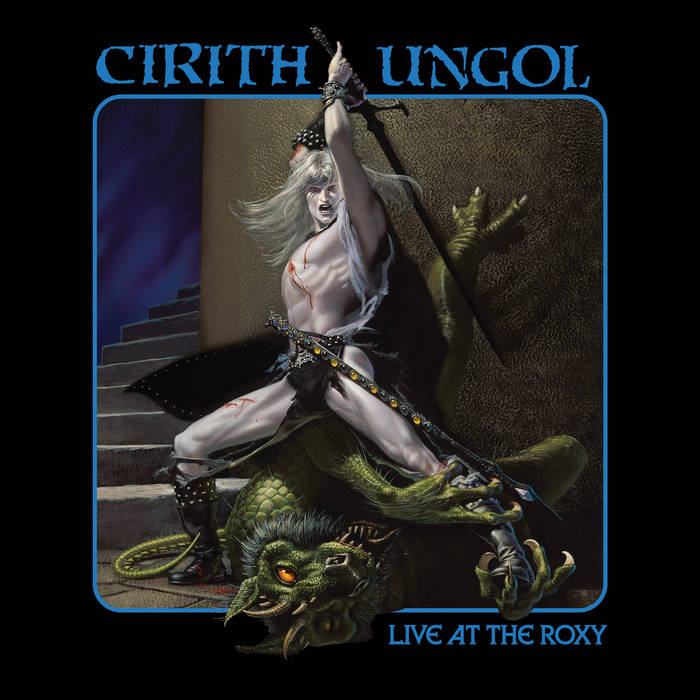
California's festival landscape could benefit enormously from alternative events that prioritize artistic merit over demographic targeting. The state's metal scene includes everything from the experimental industrial sounds of Author & Punisher to the doom metal majesty of Cirith Ungol, representing exactly the kind of diverse programming that mainstream festivals often overlook.
If Durst's "gathering" concept materializes, it could provide crucial exposure for California bands currently locked out of major festival circuits. This development parallels historical moments when alternative festivals emerged to serve underrepresented scenes, ultimately reshaping the entire festival ecosystem.
Lineup Transformations Reflect Industry-Wide Evolution
Multiple bands experiencing significant lineup changes simultaneously suggests deeper industry trends affecting how metal acts maintain continuity while adapting to changing circumstances. These shifts often reflect both creative differences and practical challenges of sustaining long-term musical partnerships in an increasingly demanding industry environment.
California's metal bands have historically navigated lineup changes with particular creativity, often using personnel shifts as opportunities for artistic reinvention rather than mere replacement strategies. This approach allows bands to maintain core identity while incorporating fresh perspectives that can revitalize their sound and extend their relevance.
The current wave of lineup adjustments across multiple genres suggests that successful metal acts in 2026 must balance stability with flexibility, maintaining enough consistency for fan loyalty while remaining open to changes that enhance their musical capabilities.
Personal Struggles and Family Dynamics Impact Metal Legacies
The ongoing legal situation involving Cher and her son Elijah Blue Allman of Deadsy highlights how personal struggles can intersect with musical careers in complex ways. While Deadsy emerged from California's alternative metal scene in the late 1990s, Allman's current difficulties demonstrate how family dynamics and personal challenges can affect artistic output and public perception.
This situation reflects broader issues facing many metal musicians who struggle with the pressures of artistic life, family expectations, and public scrutiny. California's metal community has generally shown strong support for artists facing personal difficulties, recognizing that creative expression often emerges from personal struggle and transformation.
Documentary Culture and Digital Storytelling Transform Fan Engagement
Testament's documentary approach represents part of a broader shift toward artist-controlled storytelling that bypasses traditional media gatekeepers. This trend allows metal bands to present unfiltered perspectives on their creative processes, touring experiences, and industry navigation strategies.
California metal bands are particularly well-positioned to embrace documentary culture given the state's entertainment industry infrastructure and tech-savvy fan base. Bands can leverage local production resources to create professional-quality content that rivals major label promotional materials while maintaining complete creative control.
The success of Testament's mini-documentary could inspire similar projects from other California metal acts, potentially creating a new standard for how bands document their activities and connect with audiences in an increasingly crowded digital landscape.
Looking Forward: California Metal's Continuing Evolution
These recent developments collectively suggest that California's metal scene continues evolving through strategic adaptation rather than nostalgic preservation. From Testament's documentary innovation to industry-wide discussions about authenticity and inclusion, the Golden State's metal community demonstrates ongoing leadership in addressing challenges facing heavy music globally.
The convergence of touring innovations, festival politics, and digital storytelling creates opportunities for California metal bands to expand their influence while maintaining the creative independence that has always defined the region's heavy music identity. As metal bands touring 2026 navigate these changing dynamics, California acts appear particularly well-equipped to thrive through strategic innovation and artistic integrity.