Dave Mustaine's Lightning Strike and Derrick Green's New Beginning Signal Thrash Metal's Evolution Beyond Original Lineups
The thrash metal world witnessed two pivotal moments this week that perfectly encapsulate the genre's ongoing evolution: Dave Mustaine finally performing his co-written "Ride The Lightning" with Megadeth, while Sepultura's Derrick Green announces plans for a new project as the legendary Brazilian band prepares for retirement. These developments highlight how thrash metal continues to evolve decades after its inception, with California's scene serving as both witness and participant in these transformative changes.
The Ghost of Metallica Past Finally Surfaces
For over four decades, one of metal's most intriguing "what if" scenarios involved Dave Mustaine's contributions to Metallica's early catalog. That speculation reached a crescendo when Megadeth performed "Ride The Lightning" live for the first time, showcasing Mustaine's interpretation of the track he co-wrote before his 1983 departure from Metallica. The performance represents more than just a nostalgic moment—it's a reclamation of creative legacy that resonates throughout the broader metal community.
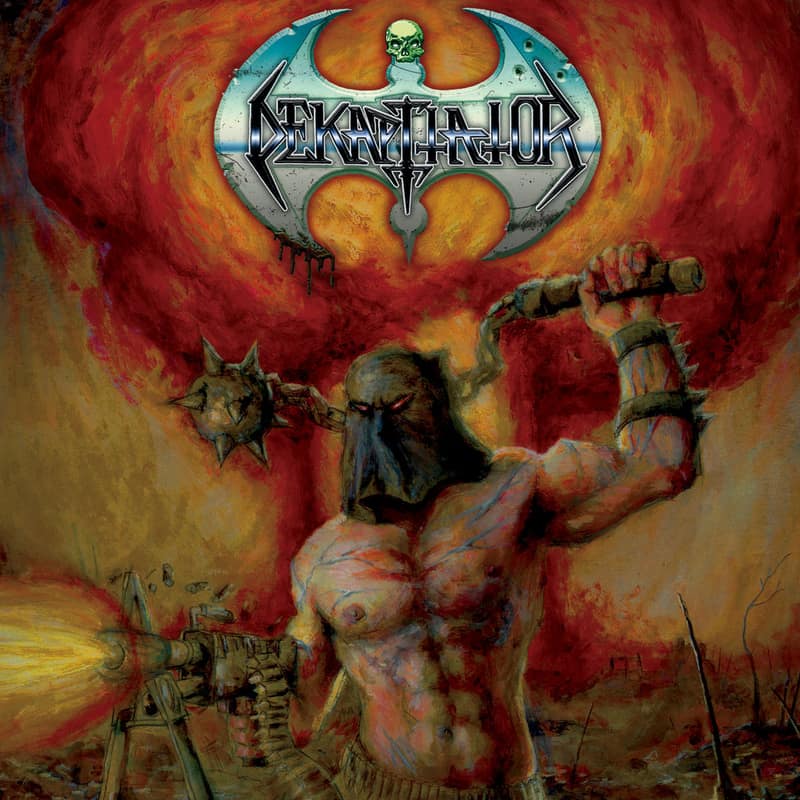
This development particularly strikes a chord within California's thrash scene, where the genre's foundational rivalries and collaborations were forged. The Golden State's thrash legacy runs deep, with Exodus pioneering the Bay Area sound alongside Metallica, while countless underground acts like Dekapitator and Troncale continue pushing the boundaries of what thrash metal can achieve. Mustaine's decision to finally perform this particular piece of his catalog demonstrates how even the best metal bands continue discovering new ways to honor their creative contributions while moving forward artistically.
The timing couldn't be more significant. As metal bands touring 2026 face increasing pressure to deliver unique experiences, Mustaine's move showcases how veteran acts can surprise audiences while maintaining their artistic integrity. This approach offers valuable lessons for California's thrash acts, who must balance reverence for the genre's history with contemporary innovation demands.
Sepultura's Legacy Spawns New Creative Ventures
While Mustaine looks backward to move forward, Derrick Green's announcement of a new band project as Sepultura approaches retirement signals a different type of creative evolution. Green's two-decade tenure with Sepultura transformed the band from Brazilian thrash pioneers into global metal ambassadors, and his next venture promises to continue that innovative spirit without the weight of established expectations.
This transition mirrors broader trends affecting California's extreme metal scene, where longtime band members increasingly pursue parallel projects to explore different creative territories. The approach allows artists to experiment with new sounds while maintaining their primary musical commitments, creating richer artistic ecosystems that benefit the entire metal community.
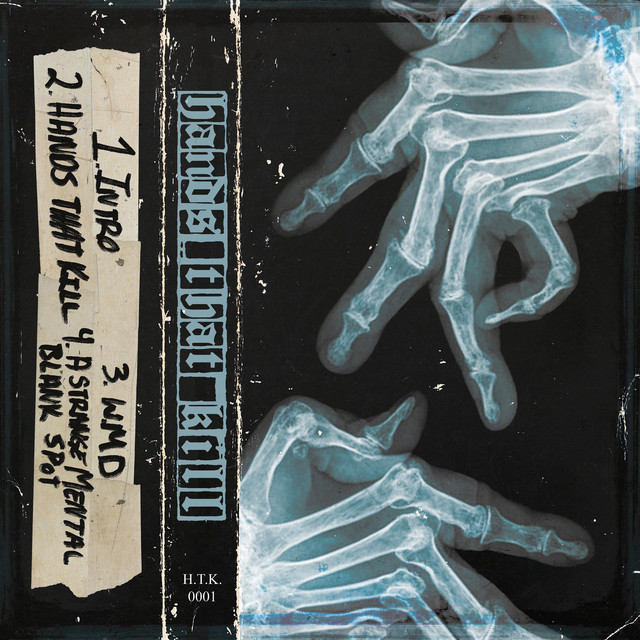
Green's timing also reflects the reality facing many veteran metal acts: retirement planning and legacy preservation have become crucial considerations for bands that began during metal's formative decades. California acts like Hands That Kill and Nephilim can learn from Green's proactive approach to creative transition, ensuring their artistic vision continues evolving even as primary projects reach natural conclusions.
New Blood Energizes Established Names
Beyond these veteran developments, the metal world continues witnessing fascinating lineup evolutions. Sully Erna's confirmation of new Godsmack material—notably without any original members—highlights how band names and creative visions can transcend founding lineups. This approach generates both excitement and controversy, but it also demonstrates how metal's most recognizable names continue adapting to contemporary realities.
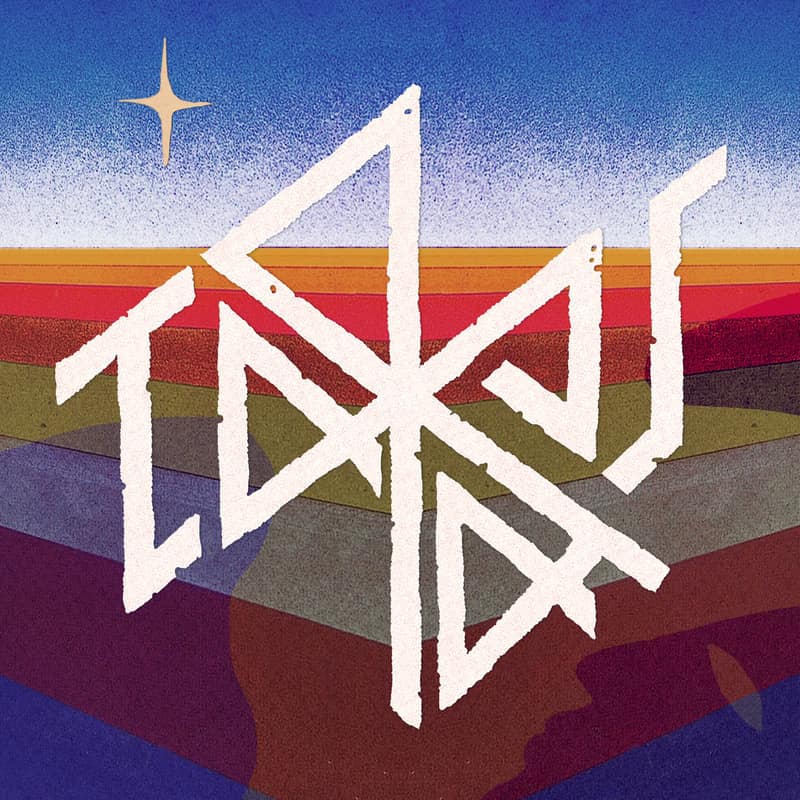
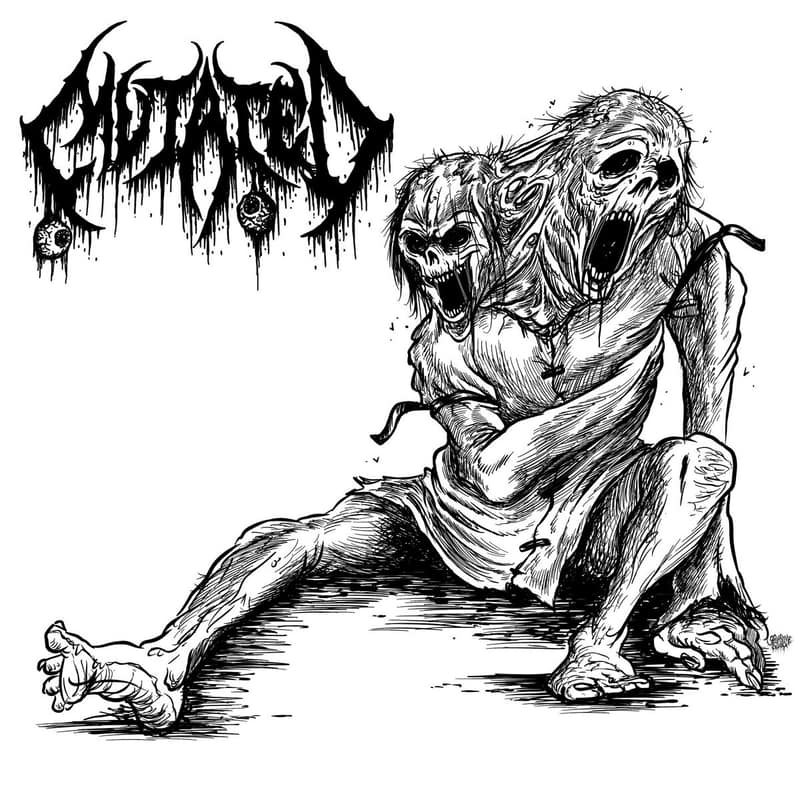
The phenomenon extends beyond individual bands to encompass entire scenes. California's diverse metal landscape benefits from this creative fluidity, as established acts inspire newer generations while underground bands push genre boundaries without concern for traditional limitations. Acts across the spectrum—from the progressive complexity of Taarkus to the brutal intensity of Mutated—demonstrate how creative evolution can honor foundational principles while embracing innovative approaches.
Festival Circuit Drives Creative Risks
The contemporary festival circuit, exemplified by events like Sick New World, encourages bands to take creative risks and deliver unique performances. Korn's recent set featuring both debuts and rarities showcases how established acts can surprise longtime fans while attracting new audiences. This dynamic creates opportunities for California bands to experiment with setlists, collaborations, and performance approaches that might seem risky in traditional touring environments.
These festival environments also facilitate the cross-pollination of ideas between different metal subgenres. When thrash pioneers share stages with contemporary metalcore acts or experimental black metal bands, the resulting creative dialogue enriches the entire scene. California's geographic and cultural diversity makes it particularly well-suited to foster these creative exchanges, from Los Angeles' diverse metal underground to the Bay Area's technical innovations.
The Underground Continues Pushing Boundaries
While veteran acts navigate legacy questions and lineup changes, California's underground metal scene continues generating innovative sounds that influence broader genre evolution. The state's extreme metal acts consistently push creative boundaries while maintaining connections to foundational principles that define their respective subgenres.
This underground vitality ensures that California metal remains relevant regardless of what happens with established names. As some bands retire and others undergo dramatic lineup changes, the constant emergence of new talent guarantees that the California metal scene continues evolving in unpredictable and exciting directions.
Looking Toward Metal's Future
The convergence of Mustaine's historical reclamation and Green's forward-looking project announcement illustrates metal's unique relationship with time and tradition. Unlike many musical genres that either obsess over past achievements or completely abandon their roots, metal consistently finds ways to honor its history while pushing toward unknown territories.
This balance particularly benefits California's metal community, where geographic distance from metal's East Coast and European centers historically forced creative independence. As the genre continues globalizing and digitalizing, California bands retain advantages rooted in decades of creative self-reliance and genre experimentation.
The developments surrounding both Mustaine and Green ultimately demonstrate that metal's creative evolution depends not on maintaining static lineups or unchanging sounds, but on artists' willingness to take risks while respecting the foundational principles that make their music meaningful. As new metal bands 2026 emerge alongside veteran acts exploring fresh creative territories, the genre's future appears as dynamic and unpredictable as its influential past.
For California's metal community, these examples provide valuable roadmaps for balancing artistic integrity with creative evolution, ensuring that the Golden State's contribution to metal's ongoing story continues growing in scope and significance.