Band Departures and Musical Vulnerability Expose California Metal's Creative Crossroads
The metal world is witnessing a series of high-profile departures and artistic revelations that underscore the vulnerable humanity behind heavy music's aggressive facade. From lineup changes shaking California's metalcore scene to veteran musicians discussing the psychological toll of performance, recent developments paint a complex picture of an industry balancing artistic integrity with financial survival.
Kingdom of Giants Faces Uncertain Future After Key Departure
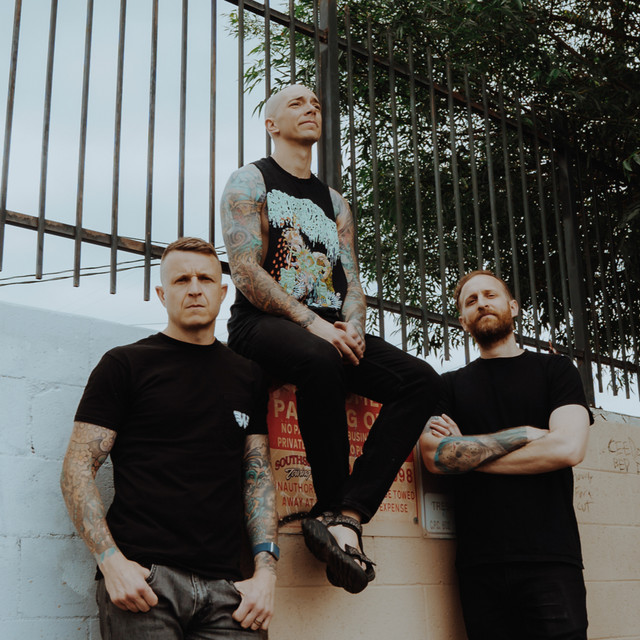
California metalcore outfit Kingdom of Giants finds themselves at a creative crossroads following the unexpected exit of Jonny Reeves. The departure leaves the band searching for new direction in a genre where vocal identity often defines a group's entire aesthetic and fanbase connection.
Reeves' exit reflects a broader trend affecting many of California's metalcore acts, where the pressures of constant touring, recording cycles, and maintaining relevance in an oversaturated market take their toll on individual members. The search for a replacement vocalist will likely determine whether Kingdom of Giants maintains their current trajectory or evolves into something entirely different.
The timing proves particularly challenging as the metalcore scene experiences renewed mainstream attention. Bands like Twitching Tongues and Dead Icarus have demonstrated how California acts can successfully navigate lineup transitions while preserving their core identity, but each situation demands unique solutions.
The Economic Reality Behind Metal's Romantic Image
Tesla's Brian Wheat recently provided stark insight into the financial mechanics driving veteran rock and metal acts, revealing that touring remains the primary income source for most musicians, regardless of their perceived success or legacy status. This admission resonates particularly strongly within California's metal scene, where even established acts struggle with the economic pressures of sustaining long-term careers.
The revelation challenges romantic notions about rock stardom while highlighting why so many veteran acts continue grueling tour schedules well into their later years. For California's newer metal bands touring 2026, these economic realities serve as both cautionary tales and motivation to develop sustainable career strategies beyond traditional album sales.
This financial transparency also explains the increasing collaboration between metal generations. When survival depends on consistent touring revenue, cross-generational partnerships and festival appearances become necessity rather than mere artistic choice. The recent collaboration between Joel Hoekstra and Stephen Pearcy at Tulare's Adventist Health Amphitheater exemplifies how veteran musicians adapt to changing industry economics while maintaining artistic relevance.
Vocal Endurance and the Art of Musical Vulnerability
Devin Townsend's recent comments about vocal performance reveal the psychological complexity behind metal's most demanding artistic discipline. His observation that singers "can't hide" speaks to the unique vulnerability required for effective vocal delivery, particularly in genres demanding both technical precision and emotional authenticity.
This vulnerability extends beyond individual performance into the collaborative dynamics that define successful metal bands. The crossover between technical skill and emotional exposure becomes especially critical in California's diverse metal landscape, where acts must navigate everything from brutal death metal to symphonic arrangements within the same regional scene.
Townsend's upcoming rock opera "The Moth" represents the kind of ambitious artistic vision that California's avant-garde metal scene continues to support. Projects of this scope require the type of creative risk-taking that only develops when musicians embrace rather than hide from their artistic vulnerability.
Crossover Collaborations Signal Genre Boundary Dissolution
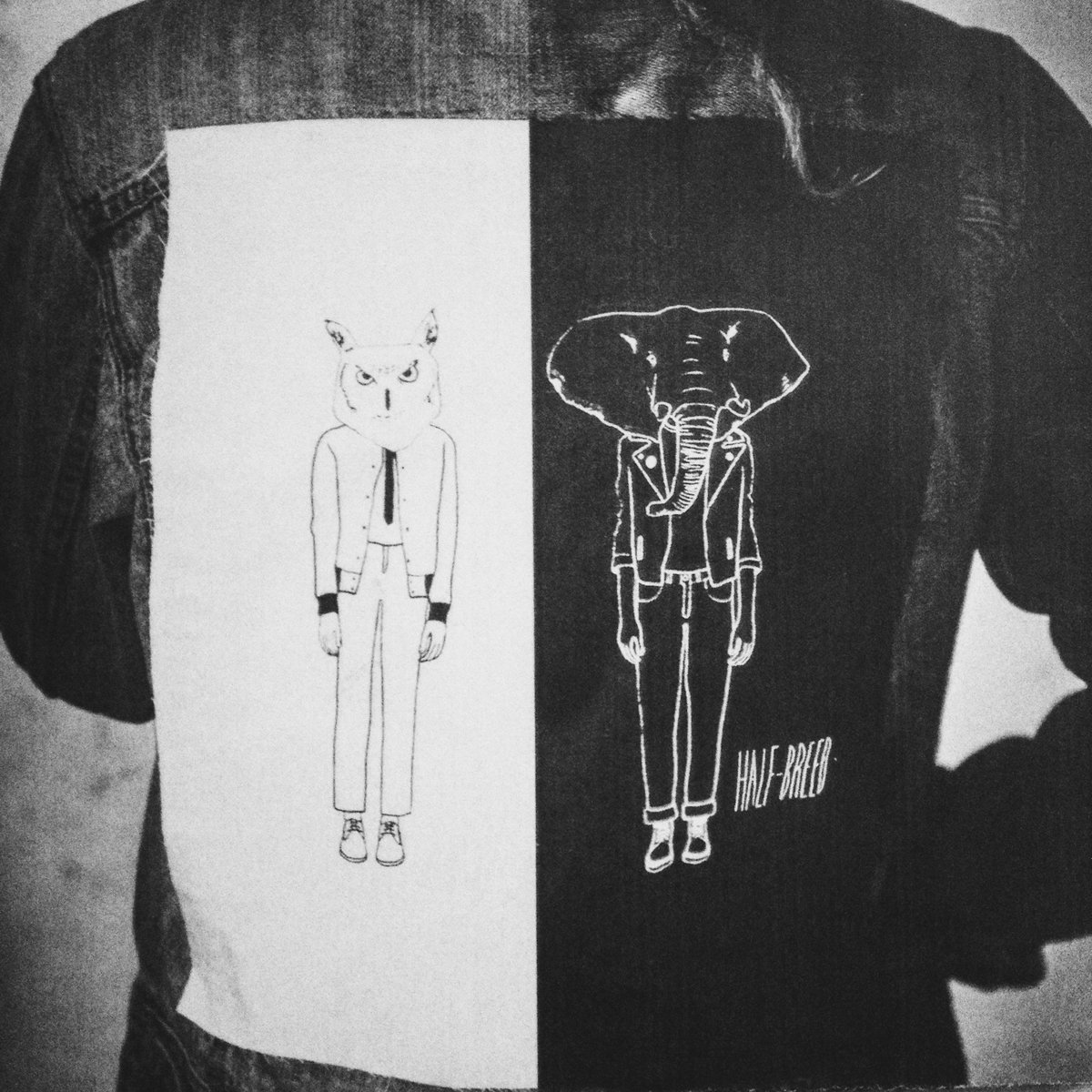
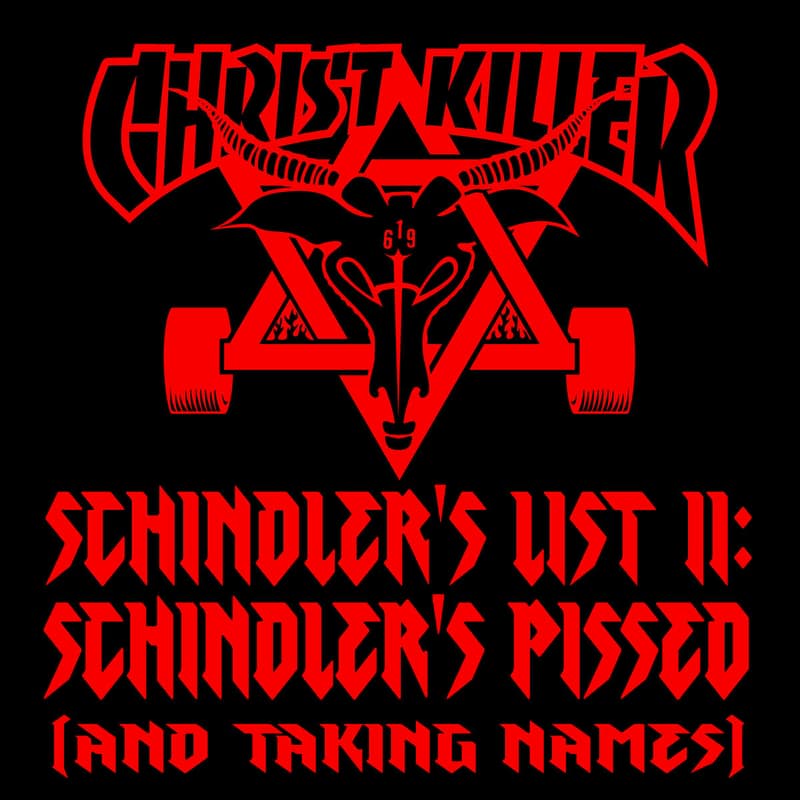
The recent collaboration between Extinction A.D. and Incendiary's Brian Audley on "Truth or Consequences" demonstrates how crossover thrash continues evolving through strategic partnerships. This type of genre-blending collaboration has particular significance for California bands like Half Breed and Christ Killer, who operate within similar crossover territories.
The "short and to the point" approach characterizing effective crossover music reflects broader trends toward concise, impactful songwriting across metal's various subgenres. California's crossover scene benefits from this streamlined aesthetic, allowing bands to maintain aggressive intensity without unnecessary complexity.
These collaborations also represent practical solutions to the touring economics discussed earlier. When individual bands struggle with financial sustainability, strategic partnerships can expand audience reach while sharing promotional and production costs.
DevilDriver's Live Evolution and California's Metal Legacy
DevilDriver's debut performance of "Dig Your Own Grave" at Welcome To Rockville festival showcases how established California metal acts continue pushing creative boundaries while maintaining their core identity. The band's willingness to test new material in high-profile festival settings demonstrates confidence in their artistic evolution.
California metallers have long served as testing grounds for genre innovation, from the Bay Area's thrash metal revolution to Southern California's nu-metal explosion. DevilDriver's current phase continues this tradition of fearless experimentation within established frameworks.
The live debut strategy also reflects savvy understanding of modern metal promotion. In an era where recorded music generates minimal revenue, live performance becomes both artistic statement and marketing tool, particularly for bands targeting festival circuits and international audiences.
Technology's Promise and Metal's Future Vision
Tool's confirmed interest in staging performances at Las Vegas' Sphere venue represents the intersection of cutting-edge technology with progressive metal artistry. Adam Jones' admission that "we will do it at some point" suggests careful consideration of how technological innovation can enhance rather than distract from musical content.
This technological integration holds particular relevance for California's progressive and experimental metal acts, who often incorporate visual and conceptual elements into their artistic presentations. The Sphere's capabilities could revolutionize how ambitious metal acts present complex musical concepts to audiences.
However, the emphasis remains on serving the music rather than showcasing technology for its own sake. California's best metal bands have always understood that innovation must enhance rather than replace fundamental musical values.
Health, Resilience, and the Human Cost of Metal
Wayne Lozinak's return to the stage with Hatebreed following brain surgery provides powerful testimony to the resilience characterizing metal's community spirit. His recovery and return to performance demonstrate the dedication required to sustain careers in physically demanding genres.
These health challenges remind us that behind metal's aggressive aesthetic lie vulnerable human beings facing the same medical and personal struggles affecting everyone else. The community's support for recovering musicians reflects values often hidden beneath the genre's confrontational surface.
Mike Ness of Social Distortion echoing similar themes about returning to performance "like there was no tomorrow" following his own health challenges reinforces how California's metal and punk veterans approach their craft with renewed appreciation for opportunities to create and perform.
Looking Forward: California Metal's Continuing Evolution
These diverse developments paint a picture of California metal scene adapting to changing industry realities while maintaining artistic integrity. From Kingdom of Giants seeking new vocal direction to established acts like DevilDriver testing new material, the state's metal community continues balancing innovation with tradition.
The economic pressures revealed by veteran musicians serve as important context for understanding how new metal bands 2026 must approach career sustainability. Success requires combining artistic vision with practical business understanding, particularly in an industry where touring revenue dominates financial planning.
For fans seeking the upcoming shows from California's metal acts, these developments suggest an exciting period of transition and renewal. Whether supporting established acts navigating lineup changes or discovering emerging bands pushing genre boundaries, California's metal scene offers compelling reasons for optimism about heavy music's future direction.