Death Metal Brutality Surge and Killswitch Engage's Spiritual Evolution Define Heavy Music's Identity Crisis
The heavy music landscape is experiencing a fascinating identity crisis, with extreme metal acts doubling down on their brutal foundations while established metalcore pioneers undergo profound spiritual and artistic transformations. This dichotomy reveals deeper tensions within the metal community about authenticity, evolution, and what it means to stay true to your roots.
Devourment's Surprise Attack Signals Brutal Death Metal Renaissance
Texas brutal death metal veterans Devourment have unleashed their latest sonic assault with the surprise Pious Impiety EP, featuring three tracks of uncompromising brutality: "Pious Impiety," "Mortiferous Dependency," and "Advanced Stage Decomposition." The surprise drop strategy represents a growing trend among extreme metal bands who are bypassing traditional album cycles in favor of immediate, visceral releases that catch fans off-guard.
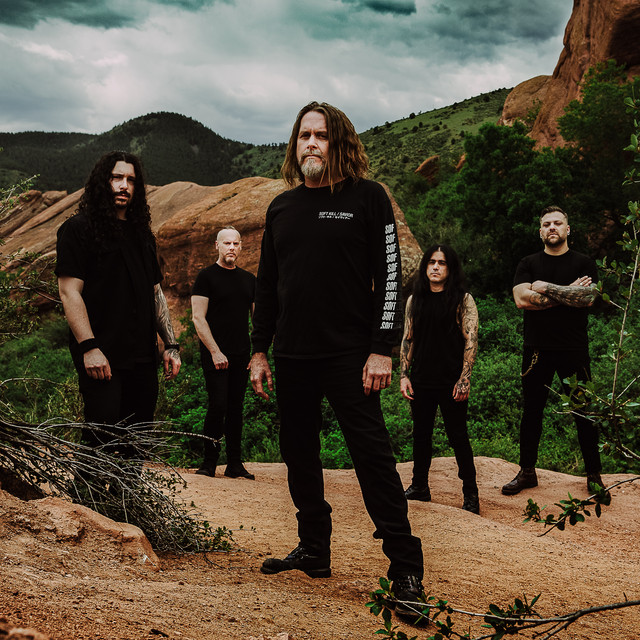
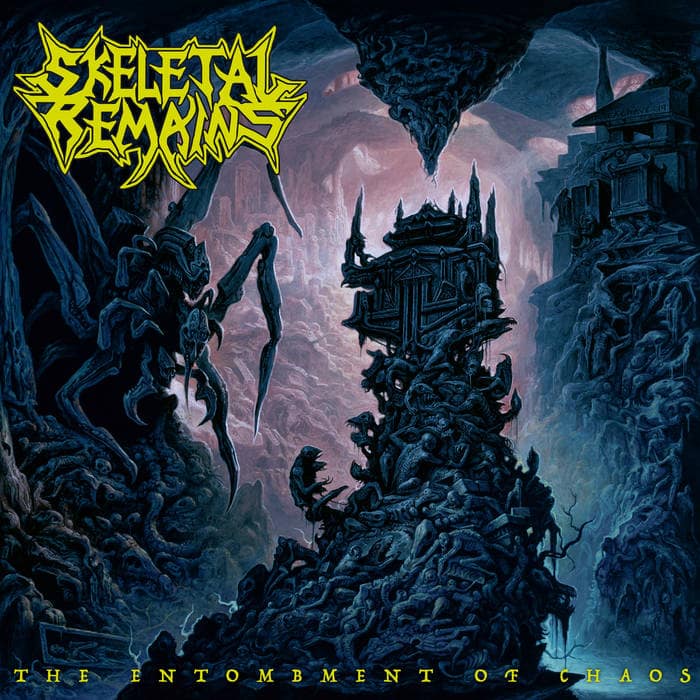
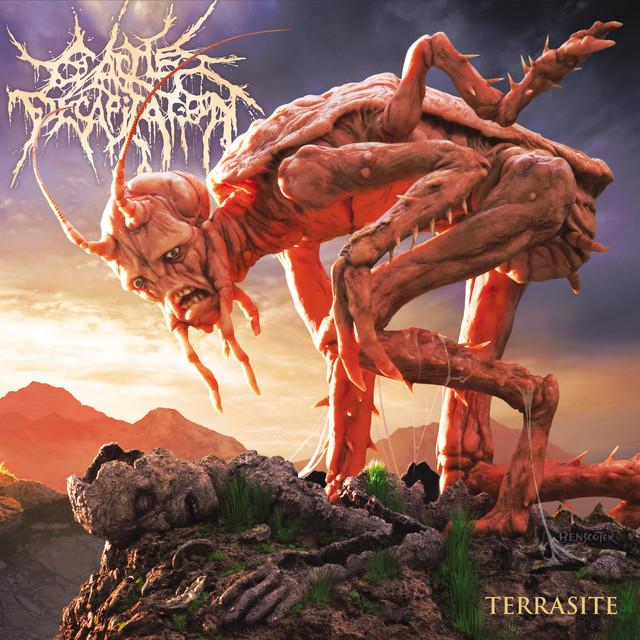
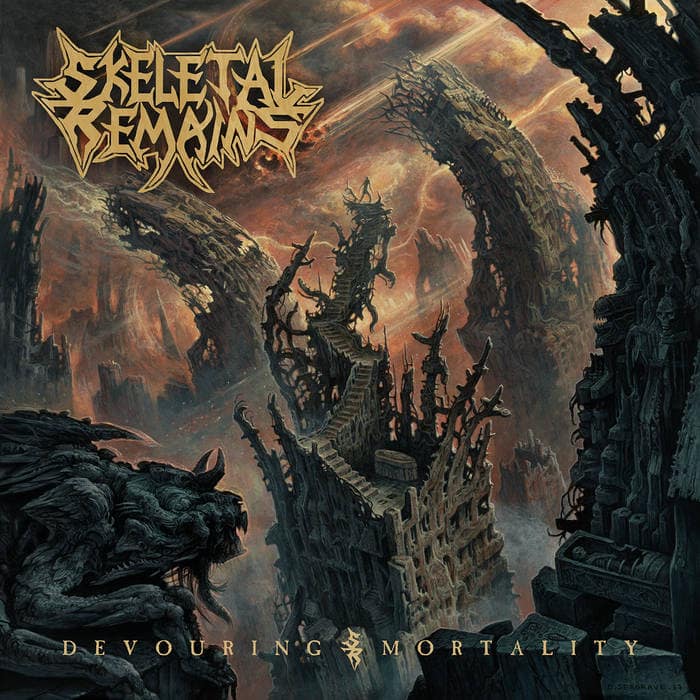
This approach particularly resonates within California's death metal underground, where bands like Whittier death metal outfit Skeletal Remains and San Diego progressive death metal pioneers Cattle Decapitation have similarly embraced unconventional release patterns to maintain their connection with core audiences. The brutal death metal scene's rejection of mainstream marketing cycles reflects a broader pushback against industry homogenization.
Devourment's latest offering comes at a time when technical proficiency in death metal has reached unprecedented heights, yet bands are increasingly returning to the raw, primitive aggression that defined the genre's early years. This "back-to-basics" movement is particularly evident in California's Central Valley and Inland Empire scenes, where younger bands are studying the brutal death metal playbook while adding their own regional flavor.
Jesse Leach's Spiritual Journey Reflects Metalcore's Maturation
Meanwhile, Killswitch Engage frontman Jesse Leach's recent revelation about no longer identifying as Christian marks a significant moment in metalcore's ongoing spiritual evolution. Leach's statement—"I think there's a bit of arrogance in telling somebody you know the absolute truth"—represents the kind of philosophical growth that has become increasingly common among metal artists who came of age during the genre's Christian metalcore boom of the early 2000s.
This spiritual questioning isn't happening in isolation. As metalcore approaches its third decade as a dominant force in heavy music, many of its founding figures are grappling with how their personal beliefs have evolved alongside their artistic output. The genre's relationship with spirituality has always been complex, encompassing everything from overtly Christian bands to those exploring darker, more questioning themes.
California's metalcore scene has long been a laboratory for this kind of spiritual and artistic experimentation. Bands have consistently pushed boundaries while maintaining the genre's emotional intensity, creating space for more nuanced discussions about faith, doubt, and personal growth within heavy music contexts.
The Orchestra Meets Metal: Gothenburg's Classical Tribute
In a development that highlights metal's growing cultural legitimacy, the Gothenburg Orchestra's upcoming concerts celebrating the music of In Flames, At The Gates, and Dark Tranquillity represent a watershed moment for melodic death metal recognition. Dark Tranquillity vocalist Mikael Stanne's description of the project as "one of the greatest honors" underscores how far the genre has traveled from its underground origins.
This classical treatment of melodic death metal pioneers carries particular significance for California's metal scene, where Swedish influence has been profound and lasting. The melodic death metal template established by these Gothenburg legends found fertile ground in California, spawning countless bands who merged Scandinavian melodic sensibilities with American aggression and production values.
The orchestral tribute also signals a broader trend toward metal's institutional acceptance, following similar projects that have brought symphonic arrangements to iconic metal compositions. For California metal bands watching this development, it represents both validation of the genre's complexity and a potential roadmap for future artistic exploration.
Tour Culture and Community Building
Recent touring announcements reveal how different metal subgenres are approaching live performance in 2026. Sabaton's massive 21-show Swedish arena tour demonstrates power metal's ability to command major venues, while Killswitch Engage's continued touring with Machine Head, Iron Reagan, and Havok showcases metalcore's collaborative spirit and cross-pollination with thrash and hardcore punk.
These touring patterns reflect broader changes in how metal bands touring 2026 are structuring their live strategies. Rather than traditional headliner-support arrangements, more tours are featuring co-headline formats that acknowledge the diverse tastes of modern metal audiences. This approach has proven particularly successful in California markets, where metal fans often embrace multiple subgenres simultaneously.
The inclusion of bands like Iron Reagan and Havok on major tours also highlights the resurgence of crossover thrash, a genre that has deep California roots dating back to the 1980s. This revival connects directly to the state's punk and metal crossover traditions, creating opportunities for new metal bands 2026 to explore hybrid approaches that honor both genres' legacies.
Underground Movements and Regional Identity
While major touring announcements grab headlines, California's metal underground continues evolving through smaller venue networks and regional scenes. The surprise EP strategy employed by bands like Devourment is being adopted by local acts who recognize the power of immediate, unfiltered releases in building dedicated followings.
The state's diverse geography continues to produce distinct regional metal characteristics, from the technical death metal scenes of the Bay Area to the desert rock influences filtering into Southern California's heavier acts. This geographic diversity ensures that California metal maintains its innovative edge while contributing to national and international metal conversations.
Post-black metal and atmospheric approaches are gaining particular traction in Northern California, where bands are incorporating environmental themes and regional landscapes into their musical narratives. This localized approach to extreme metal creation provides alternatives to the globalized metal marketplace while maintaining connections to broader underground networks.
Looking Forward: Identity and Evolution
The current moment in metal reveals a genre confident enough to embrace both extreme brutality and classical orchestration, spiritual questioning and unwavering commitment to underground values. For California metal artists, this multiplicity creates unprecedented opportunities to explore diverse artistic paths while maintaining genre authenticity.
Whether through surprise releases, spiritual evolution, or classical collaboration, today's best metal bands are demonstrating that growth doesn't require abandoning core principles. Instead, the strongest metal acts are finding ways to expand their artistic scope while deepening their connection to what made them powerful in the first place.
As California's metal scene continues to evolve, the lessons from both Devourment's brutal directness and Jesse Leach's spiritual openness provide valuable guideposts. The future belongs to artists willing to embrace complexity while maintaining the intensity and honesty that makes metal eternally relevant.