Cronos, Campbell, and the Weight of Metal's Elders: What the Bay Area Owes Venom and Motörhead This Week
There are weeks in this business where the news cycle feels less like reporting and more like keeping vigil, and this is one of them. Between the deaths of two foundational figures and a strange new chapter for one of the Bay Area's own thrash institutions, California's metal scene is being asked, once again, to reckon with its lineage. So let's dig in.
Gary Holt Goes Digital, But Exodus Stays Analog in Spirit
Start with the stranger headline of the week: Richmond's own Exodus, the band that arguably invented the Bay Area thrash sound before half the genre's household names had their first rehearsal, is heading into the metaverse. KnuckleBonz has announced that Exodus is joining its KnuckleBonz360 BackStage Experience, a fully immersive 3D digital platform set to launch in October 2026, with guitarist Gary Holt stepping into what's being called the "360 District."
Holt, never one to mince words, summed up his four-plus decades in the trenches with characteristic dry wit: "I've seen a lot of strange things in 45 years." That's putting it lightly. This is a band that has survived label collapses, lineup upheavals, and genre fads, and somehow is now walking into a digital collectibles platform as a 3D avatar. Whatever you think of the format, it's a reminder that Exodus has outlasted nearly every trend thrown at the genre since 1980, and the Bay Area still produces bands capable of reinventing how legacy acts stay relevant. If you're looking for proof that California's thrash pioneers aren't done innovating, even in bizarre new mediums, this is it.
Cronos Is Gone, and Thrash Owes Him Everything
The heavier news, in every sense, is the death of Conrad "Cronos" Lant, Venom's vocalist and bassist, at 63. Venom's official statement didn't offer a cause of death, just the kind of blunt, dignified grief that feels appropriate for a band that never dealt in sentimentality. Original Venom guitarist Jeff "Mantas" Dunn followed with a tribute that cuts right to the point: "We changed the history of metal as we know it."
"May I thank you all for the overwhelming outpouring of appreciation and condolences," Mantas wrote, acknowledging just how far Cronos's influence actually traveled.
It's not an exaggeration. Without Venom, there's a real argument that the entire Bay Area thrash and extreme metal lineage looks completely different. Black Metal, the 1982 album that gave an entire genre its name, was recorded by a trio of guys from Newcastle who were arguably playing something closer to proto-thrash with occult theatrics bolted on. But the speed, the aggression, the willingness to be genuinely dangerous rather than just loud — that's a direct ancestor of what California thrash bands would run with a few years later. Bands like Testament, who emerged from the same Bay Area scene that birthed Exodus and Metallica, owe a debt to Venom's blueprint even if their sound evolved in a completely different direction. When you're compiling any list of the best metal albums of all time, Welcome to Hell and Black Metal belong near the top, if only for how much they made possible.
Phil Campbell's Death Reopens an Old Wound
As if one legend's passing wasn't enough to process, it's also been confirmed that former Motörhead guitarist Phil Campbell died from multi-organ failure following complications from what were described as "necessary" surgeries. Campbell held down guitar duties in Motörhead from 1984 through 2015, a run that covers nearly the entire classic era of the band's discography. Lemmy's shadow looms so large over Motörhead's story that it's easy to forget how much of the band's sound was shaped by the guitarists standing next to him, and Campbell's tenure includes some of the records that any serious conversation about the best heavy metal songs has to include.
Two losses like this in the same stretch of days hits different in a scene like California's, where so many bands — from the thrash legends to the newest generation of 80s metal bands' spiritual descendants — grew up idolizing exactly these records. It's worth taking a moment this week to actually put the records on rather than just scrolling past the headlines.
All Shall Perish Breaks a 15-Year Silence
On a more forward-looking note, Northern California extreme metal outfit All Shall Perish have dropped "Led to Slaughter," their second new single in fifteen years, following last month's "Be As Kings, Be As Gods." Both tracks were produced by Zack Ohren, the Bay Area studio veteran whose credits include Machine Head and Fallujah, which tells you something about the sonic pedigree this release is working with. For a band that's been mostly quiet for a decade and a half, two singles in consecutive months is a genuine statement of intent, and it's exactly the kind of comeback story California's death metal scene needed heading into 2026.
The Content Gap Nobody's Filling: NWOTHM Is Alive Here Too
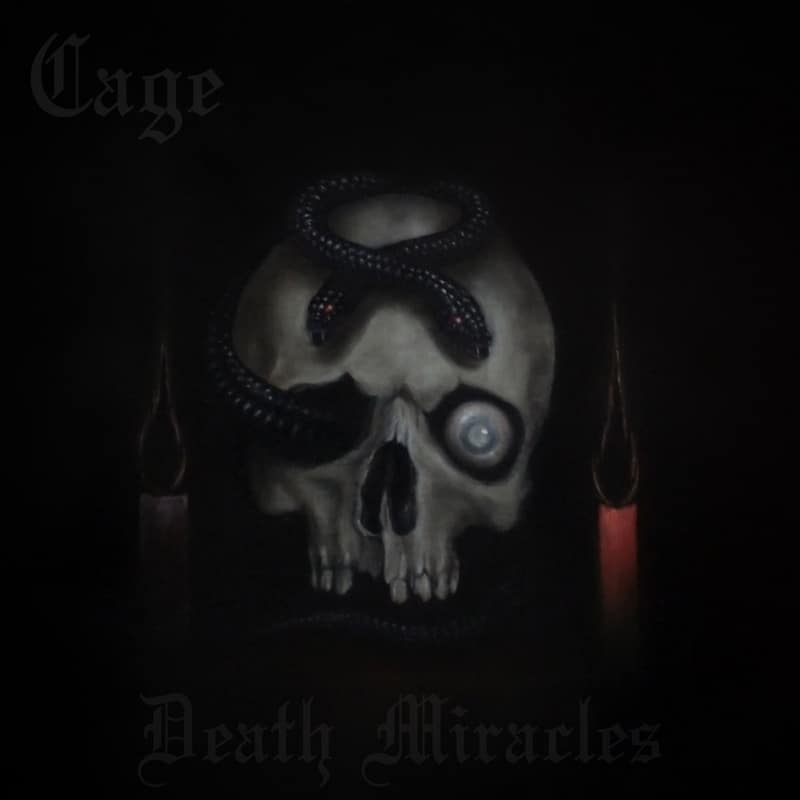
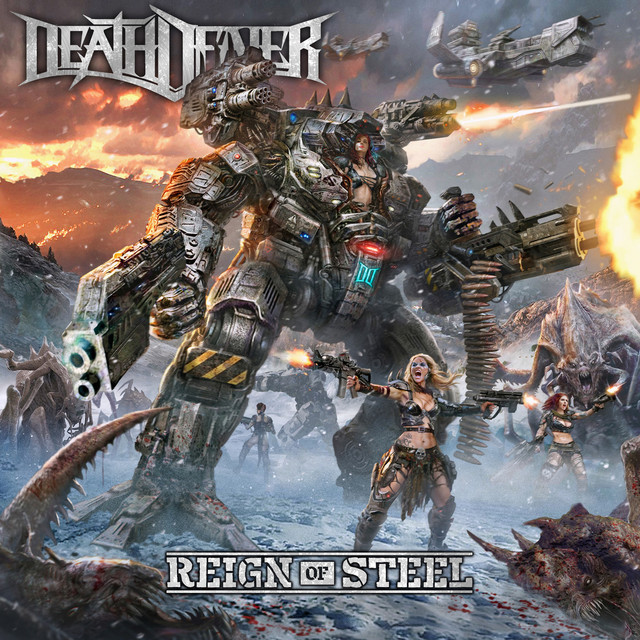
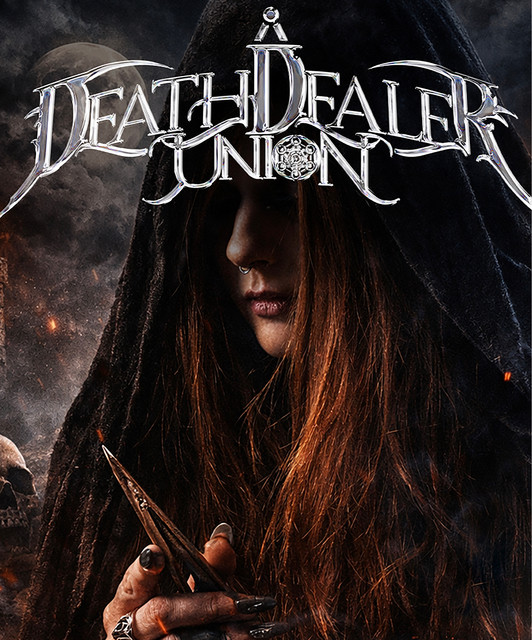
While the obituaries and nostalgia dominate headlines, it's worth pointing out that California's New Wave of Traditional Heavy Metal scene is quietly building something real, and it deserves more ink than it's getting. Acts like AGE are carrying the torch for a style of songwriting that prioritizes riffs, range, and genuine conviction over production tricks, drawing a direct line back to the NWOBHM records that inspired an entire generation of 80s metal bands in the first place. California's heavy metal underground also includes acts like Cage, Death Dealer, and Death Dealer Union, all mining that same traditionalist vein without sounding like a tribute act. If you're trying to figure out where the best metal bands of the next five years are going to come from, don't sleep on this corner of the scene — it's unglamorous, unbothered by algorithms, and exactly where genuine songwriting chops tend to survive.
Gaming, Guitar Heroes, and the Mainstream's Short Attention Span
Elsewhere, the spiritual successor to Guitar Hero, reportedly titled Stage Tour, has added Dream Theater and more acts to its soundtrack. It's a small headline in the grand scheme, but worth noting for what it represents: metal, even in its proggier, more technical forms, is still considered mainstream-adjacent enough to anchor a rhythm game's track list. Every time one of these platforms succeeds, it tends to funnel a new audience of teenagers toward actual full-length albums, which is good news for anyone hoping California's venues stay full of new faces alongside the lifers who've been going to shows since the Bay Area thrash scene was still figuring itself out.
What This Means Heading Into 2026
Between legacy acts experimenting with digital formats, Northern California death metal veterans breaking long silences, and a traditional heavy metal underground that's finally getting its due, California's scene in 2026 looks like it's going to be defined by exactly this kind of tension — old guard mourning old guard, while newer bands figure out how to honor that legacy without being crushed by it. Metal bands touring in 2026 are going to have big shoes to fill, whether they're stepping into arenas or back into the same 200-cap rooms where thrash was born.
If your band is part of that next wave and you want to be part of the conversation, submit your band for consideration, and keep an eye on upcoming shows around the state — because if this week taught us anything, it's that the scene keeps moving even when it's grieving.