Stage Dive Injuries and Mental Health Debates Highlight California Metal Scene's Risk-Taking Culture

The metal scene has always walked a dangerous line between authentic expression and genuine peril, but recent events involving Snot's stage diving mishap and controversial statements about mental health have brought California's risk-taking culture into sharp focus. As veteran acts push physical and emotional boundaries, the Golden State's metal community finds itself grappling with questions about masculinity, vulnerability, and the price of authentic performance.
When Stage Diving Goes Wrong: Snot's Costly Commitment
Snot frontman Andy Knapp's significant leg injury during a stage dive at a Chester, UK show serves as a stark reminder that metal's physical authenticity comes with real consequences. The incident, which occurred during the band's headlining performance, underscores the dangerous ballet between performer and audience that defines the genre's most visceral moments.
For California metal acts, stage diving represents more than showmanship—it's a covenant of trust between artist and fan. The practice traces its roots back to the hardcore punk scenes of Los Angeles and San Francisco, where bands like Black Flag established the template for physical audience interaction that metal would later adopt and amplify.
California's hardcore and metal venues have long been proving grounds for this kind of extreme performer-audience connection. From the legendary Olympic Auditorium shows to today's intimate club performances, Golden State metal acts have consistently pushed the boundaries of what constitutes safe performance practice. Bands like Santa Cruz crossover thrash outfit Drain continue this tradition, bringing hardcore's physical intensity to metal stages across the state.
Knapp's injury, severe enough to potentially sideline future performances, raises questions about sustainability in an aging metal scene. As veteran performers continue to maintain the physical intensity that defined their careers, the collision between artistic authenticity and bodily limitation becomes increasingly apparent.
Mental Health and Masculinity: The All That Remains Controversy
Phil Labonte's recent comments dismissing therapy as exclusively feminine territory have ignited fierce debate within metal communities, particularly in California where progressive values often clash with traditional metal machismo. His assertion that "men don't solve their problems by talking" directly contradicts growing awareness of mental health issues within the heavy music community.
This controversy arrives at a crucial moment for California's metal scene, where artists have increasingly embraced vulnerability as a source of creative strength. The state's metal acts have often led national conversations about mental health, addiction, and personal struggle through their music, making Labonte's statements particularly jarring to local audiences.
The tension between traditional metal masculinity and emotional honesty has defined much of modern heavy music's evolution. California bands have frequently been at the forefront of this shift, with acts across the state using their platforms to address depression, anxiety, and trauma with unprecedented candor.
Beartooth's Caleb Shomo recently discussed the additional challenges of coming out within metal's traditionally heteronormative culture, highlighting how California's more inclusive environment still intersects with the genre's conservative elements. His comments about the fear surrounding LGBTQ+ visibility in metal underscore the ongoing struggle between progressive values and entrenched cultural norms.
The New Wave Revival and California's Heavy Metal Renaissance
While controversy swirls around mental health discussions, California's New Wave of Traditional Heavy Metal movement continues gaining momentum. The revival of blackened heavy metal acts like NITE and traditional metal purveyors AGE represents a return to metal's foundational elements while incorporating modern production sensibilities.
This movement deliberately sidesteps many contemporary metal's more contentious cultural debates, instead focusing on pure musical craftsmanship and vintage aesthetics. Bands like Bay Area traditionalists Alleyrat and legendary outfit Alcatrazz continue proving that California remains fertile ground for both innovation and reverence within heavy metal's expanding landscape.
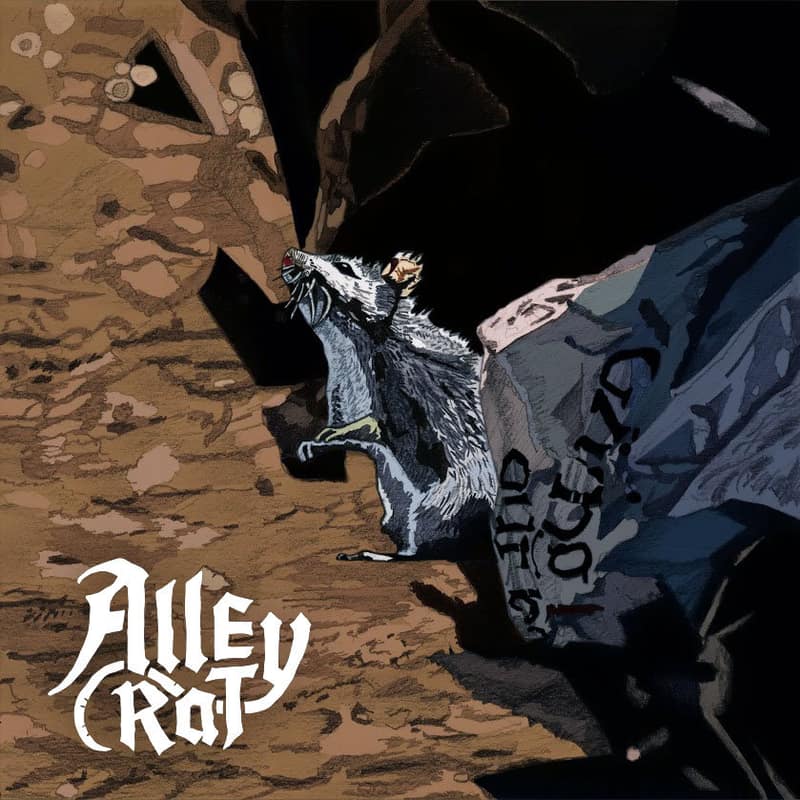
The state's NWOTHM scene particularly benefits from California's deep metal history, with venues and audiences that understand both the genre's past and its potential future directions. This creates an environment where newer bands can develop alongside established acts without the pressure to conform to specific ideological positions.
Live Performance Safety in an Extreme Music Culture
Recent stage incidents, from Evanescence's curtain fire to Snot's diving mishap, have refocused attention on live performance safety within metal's inherently risky environment. California's extensive venue infrastructure and experienced production teams generally maintain high safety standards, but the genre's commitment to authentic chaos ensures that danger remains ever-present.
The Five Finger Death Punch community's response to various incident reports demonstrates how metal's extended family rallies around injured members, regardless of band affiliation or personal politics. This solidarity transcends the genre's internal debates about masculinity and mental health, revealing the underlying care that binds metal communities together.
California's metal venues have developed sophisticated safety protocols without sacrificing the intensity that defines live heavy music. From proper stage construction to trained security personnel, the state's clubs and theaters balance fan safety with authentic metal chaos more effectively than many other regions.

Looking Forward: Authenticity vs. Responsibility
As California's metal scene continues evolving, the tension between authentic expression and personal responsibility remains unresolved. The state's artists must navigate between honoring metal's transgressive traditions and acknowledging contemporary understanding of mental health, physical safety, and inclusive community building.
The diversity of California's metal landscape—from progressive tech-death to traditional heavy metal—allows for multiple approaches to these challenges. Rather than forcing uniform responses to complex issues, the state's scene can accommodate both traditional and progressive perspectives while maintaining the musical excellence that defines quality metal.
Recent developments suggest that California's metal community increasingly values both artistic integrity and personal well-being, seeking ways to preserve the genre's essential intensity while reducing unnecessary harm. This evolution reflects broader cultural shifts while respecting metal's fundamental commitment to honest expression and emotional catharsis.
Whether through stage diving injuries or mental health debates, California's metal scene continues proving that heavy music remains a space for working through life's most challenging questions. The ongoing conversations around these issues demonstrate the genre's continued relevance as both artistic expression and cultural force.