Geezer Butler's Cameo, a Hardcore Tribute EP, and California's Quiet NWOTHM Revival
Some weeks in metal news don't hand you one big story — they hand you a handful of small ones that, stacked together, say something true about how this genre actually works. Guest verses. Tribute covers. Musicians locked out of their own creative lives by legal fine print. Bands quietly building toward whatever comes next in 2026. This week's headlines skew national and international, but the underlying theme — legacy, lineage, and who gets to carry the torch — runs straight through California's own metal and hardcore ecosystem.
Sabbath Royalty Shows Up, and It Still Matters
MASTODON bassist Troy Sanders sat down with Australia's I Was Gonna Ask About That podcast this week to talk about the intro to "The Vanishing," the Marrow Deep track that features BLACK SABBATH co-founder Geezer Butler on bass. Sanders' reaction — essentially admitting he felt like a kid again getting a legend to guest on his band's record — is the kind of unguarded moment that reminds you why so much of metal's culture is built on reverence for the people who invented the language everyone else is still speaking. It's not a California story on paper, but it's a California-adjacent one in spirit: this state's entire scene, from the thrash pioneers who worshipped Sabbath riffs in the early '80s to the doom and stoner bands still mining that same low-end vocabulary today, exists downstream of exactly that kind of lineage.
God's Hate's Tribute EP and the Hardcore Family Tree
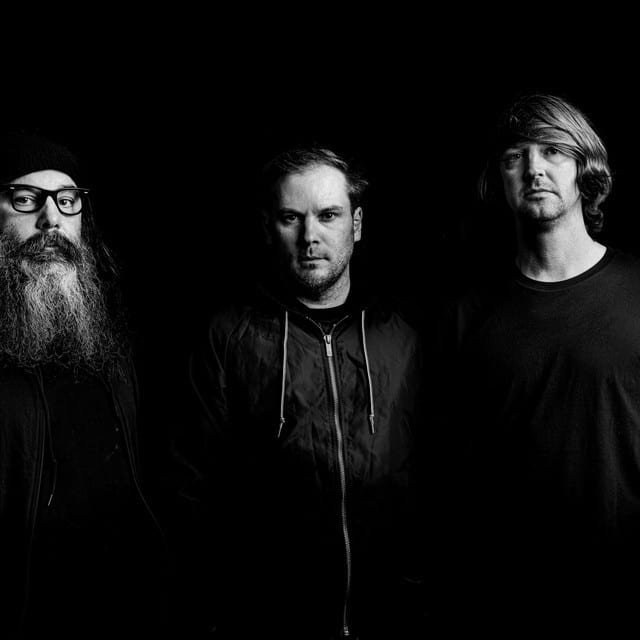
Elsewhere, North Carolina hardcore outfit God's Hate returned from hiatus with a surprise Sound and Fury set and announced "Won't Be Disgraced," an EP built around a guest-filled cover of a Harm's Way track, recorded as a tribute to the late Bo Lueders. The guest list reads like a hardcore family reunion — members of Earth Crisis, Harm's Way, Youth Of Today, and Floorpunch all show up to honor one of their own. That's not a California headline, but it's a California-relevant instinct. This state's hardcore and crossover scenes have run on the exact same logic for decades: when someone in the community is gone, the response isn't a press release, it's a room full of players from five different bands showing up to play the songs that mattered to them. It's the same impulse that keeps California's death metal and crust-adjacent underground tight-knit — bands like Embers, who move fluidly between black metal, crust punk, death metal, doom, and gothic metal, and OM, working the death metal end of that same regional web, exist inside scenes that are held together less by genre purity than by exactly this kind of mutual aid and generational memory.
When the Law Gets Between a Musician and Their Art
One of the more unsettling stories this week didn't come from a stage at all. Drummer Jay Weinberg revealed he was legally restricted from making music for a period of time, describing it as a situation where "a part of my creative self was dying." Weinberg framed his ability to play and create across disciplines and backgrounds as something he'd always considered fundamentally healthy — which makes the idea of a legal restriction cutting that off feel especially brutal. It's a reminder that the business side of this industry, contracts, non-competes, label disputes, can do damage that has nothing to do with talent or work ethic. As California bands look toward metal bands touring 2026 and beyond, stories like Weinberg's are worth remembering: the creative freedom that fans take for granted is often being fought for behind closed doors, session by session, contract clause by contract clause.
Touring in 2026: Ambition, Uncertainty, and Politics
Speaking of what's ahead — Attila have confirmed a September tour of Russia, a notable move given how few international acts have been willing to route through the country since the 2022 invasion of Ukraine. Whatever your take on that decision, it underscores how touring calculus has gotten more complicated for every band making plans for the next year or two, from geopolitics to visa costs to venue economics. Closer to home, Mudvayne's Chad Gray admitted the band hasn't locked in any "big plans" for 2027 yet, despite persistent chatter that a farewell run could be on the horizon. Between those two stories sits a useful snapshot of where touring bands actually are right now: some pushing into markets other artists won't touch, others still figuring out if there's another chapter left to write. For California's own venues and promoters, plotting out metal bands touring 2026 means paying attention to exactly this kind of uncertainty upstream — the national and international routing decisions that determine which bands actually roll through Los Angeles, the Bay Area, San Diego, and Sacramento next year.
California's Overlooked NWOTHM and Heavy Metal Revival
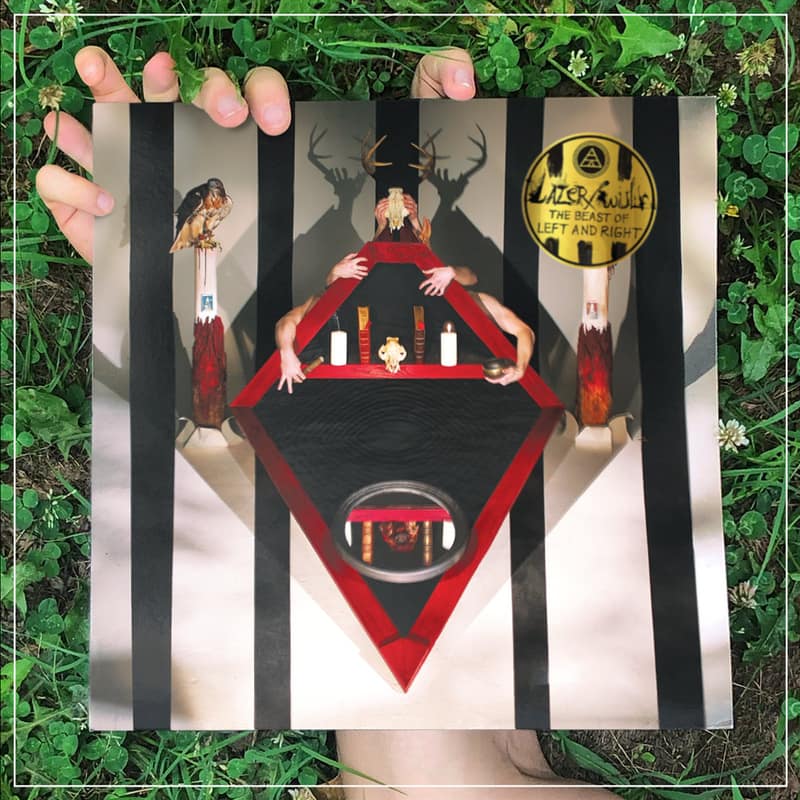
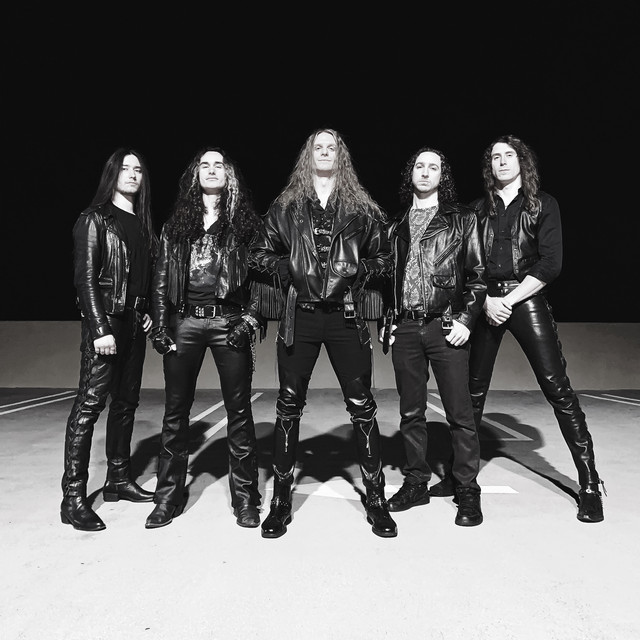
If there's one corner of the state's scene that deserves more ink right now, it's the traditional heavy metal and New Wave of Traditional Heavy Metal (NWOTHM) contingent quietly thriving up and down the coast. This isn't a headline-driven story this week so much as a standing one: California has one of the most active NWOTHM communities in the country, built on bands that treat the genre's 80s metal bands lineage as a living language rather than a museum piece. Ventura's own Night Demon has spent over a decade proving that stripped-down, riff-first heavy metal can still headline rooms and win over younger fans who weren't alive for the genre's first wave. Graham Bonnet's Alcatrazz, born out of the LA scene, remains a touchstone for anyone tracing the line between NWOBHM and the shred-heavy guitar heroics that followed. And acts like Wings of Steel and Lazer keep that tradition alive at a grassroots level, playing the kind of no-frills, hook-forward heavy metal that never needed a trend cycle to justify its existence. This is a genre category with dozens of bands in California and almost no dedicated coverage anywhere — which is exactly the gap outlets like this one should be filling as we look at new metal bands 2026 and beyond continuing to draw from that well.
Best Records, Reissues, and the Case for Revisiting the Catalog
Mark Morton weighing in on his favorite Lamb of God record this week is a reminder that these "best metal albums of all time" conversations never really go away, and for good reason — they're how scenes pass context down to newer listeners. Similarly, the news that Crystallized's The Still Out is getting a deluxe reissue on August 21, complete with a new track featuring Adam Franklin of Swervedriver, shows how much appetite still exists for revisiting and re-contextualizing catalog work rather than just chasing the next single. California's own scene has plenty of records that deserve that same treatment — deep cuts from the thrash era, overlooked doom and stoner full-lengths, hardcore records that never got their due outside their immediate scene. If you're a band sitting on a record like that, or one that's about to drop something new, the submit your band page exists precisely so California Metal Index can help make sure it doesn't slip through the cracks.
The Throughline
None of this week's headlines are, on their surface, California stories. But look closely and the state's fingerprints are everywhere in the logic behind them: the reverence for elders that put Geezer Butler on a Mastodon record, the tight-knit mutual aid that drives hardcore tribute EPs, the legal battles that shape whether musicians even get to keep making art, and the enduring, underappreciated pull of traditional heavy metal that California has never stopped producing. Keep an eye on upcoming shows around the state this fall — between legacy heavy metal bills, hardcore tribute sets, and whatever new metal bands 2026 brings out of the woodwork, the California metal scene's family tree is only getting more tangled, in the best possible way.